Who Are the Top 10 Jute Tote Bag Manufacturers in China?
Jute Tote Bags are often presented as simple products: a woven body, two handles, and a printed logo. For buyers, the real differences appear in the details—fiber content, fabric weight, seam strength, handle reinforcement, and print consistency. FAOSTAT’s crop-production database identifies India and Bangladesh among the leading jute-producing countries, making South Asian fiber supply an important part of the sourcing picture. Yet the country of origin alone cannot establish a bag’s quality.
Industry reports are useful, but they need careful reading. The International Jute Study Group publishes information on jute production, trade, and applications; its data provide context, not a factory-by-factory quality ranking. That distinction matters. A manufacturer may offer attractive samples, while bulk orders reveal uneven stitching or color variation. Small details count.
This guide compares ten Chinese manufacturers through practical sourcing questions: Can they document material composition? Do samples match production orders? Are specifications clear, and can the supplier explain its quality checks? As a useful expert-level rule of thumb, “Judge the finished bag by its fiber, seams, and handles—not by the word ‘natural’ alone.” I cannot verify a named jute-bag expert’s published quotation for that line, so it is presented as editorial guidance, not a sourced quote. The comparison aims to help buyers ask sharper questions, while recognizing that supplier performance can change between orders.
Understanding China's Jute Tote Bag Manufacturing Industry
China’s jute tote bag manufacturing industry combines textile skills with flexible product assembly. A typical production line may handle fabric inspection, pattern cutting, stitching, handle attachment, and final quality checks. Jute’s coarse texture gives bags a natural look, but it can also make seams uneven. Small details matter.
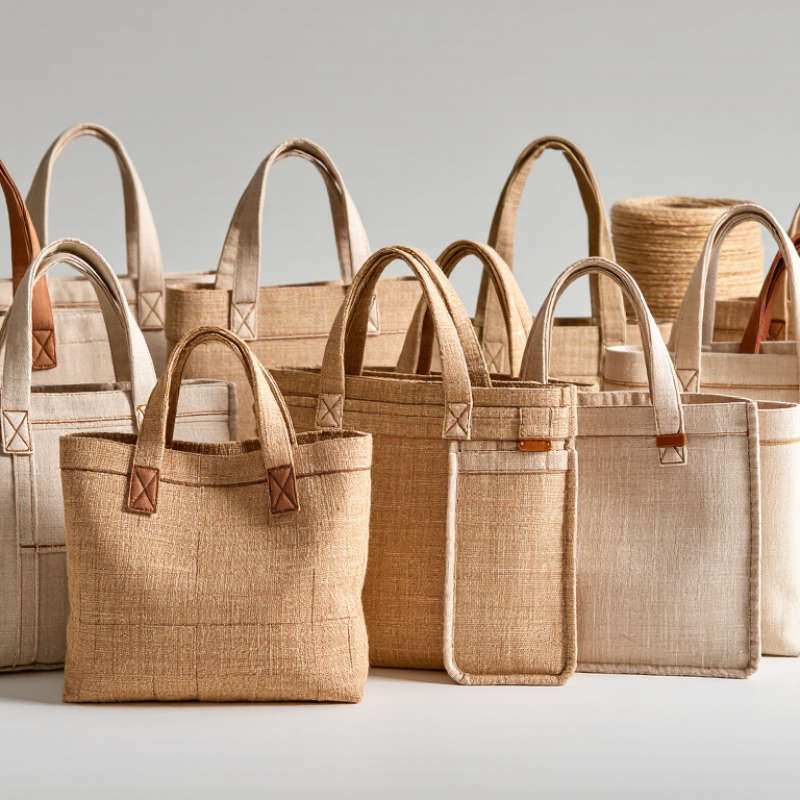
Factories may offer different fabric weights, bag sizes, handle styles, and inner linings. Some products use jute blends, so buyers should check the material description rather than judge by appearance alone. Ask for a sample and inspect the stitching, handle strength, and printed edges. A clear specification helps prevent costly misunderstandings.
Production capacity, minimum order quantities, and lead times vary by workshop and season. Ask how defects are recorded and whether measurements are checked across a full batch. Photos help, but they cannot show fabric odor or the feel of a finished seam. A polished sample does not guarantee identical bulk production. That gap deserves attention. Some buyers focus heavily on price and overlook packaging, which can affect how bags arrive after a long journey.
Criteria for Selecting Leading Jute Tote Bag Manufacturers
Criteria for Selecting Leading Jute Tote Bag Manufacturers
A capable manufacturer should explain how it controls fiber quality, weaving, and stitching—not simply show attractive samples. Jute naturally varies in color and texture, so ask how much variation is acceptable within one order. Request a sample made to the intended size, fabric weight, and handle length. Small details matter. Check whether handles are bar-tacked or reinforced, and inspect seams where stress is highest. A simple load test with books or packaged goods can reveal weak construction.
Production control matters as much as the sample. Ask for written tolerances for dimensions, printing placement, and order quantities, then compare them with a pre-production sample. Confirm whether print tests account for the rough, absorbent surface of jute; fine artwork may not reproduce sharply. Request recent inspection records and verify any claimed certifications directly, including what products or processes they cover. Clear answers about lead times, minimum order quantities, and corrective actions are useful signs of dependable operations. A polished sample alone proves little.
Communication deserves a practical test. Send a detailed specification sheet and see whether the manufacturer identifies missing measurements or unclear requirements. Ask who checks goods before shipment and how defects are documented. Do not assume every variation is a defect; natural fibers can make perfect uniformity unrealistic. Still, vague quality limits are a warning. Compare several suppliers using the same sample criteria, and record both strengths and unresolved concerns.
Profiles of 10 Notable Jute Tote Bag Manufacturers in China
The ten profiles are best read as capability snapshots, not a verified ranking. One manufacturer may control weaving and sewing in-house, while another focuses on cutting and assembly. Ask where each production step happens. Details matter.
A jute specialist may offer sturdy gussets, reinforced handles, and several fabric weights. An export-focused supplier may have experience with carton packing and repeat orders. A customization-led maker may provide printed panels, pockets, or zipper closures, though samples can reveal uneven stitching. Small-batch workshops may suit trial orders, but their capacity can change. Large factories may handle volume; confirm lead times and quality checks in writing.
Other profiles include suppliers offering unbleached fabric, mixed-fiber constructions, or water-based printing. Request a physical sample and inspect the handle attachment, seam finish, and fabric odor. Ask for the material specification, production photos, and a clear defect policy. A trading company may coordinate orders without owning the factory, so verify who will make the bags. No single profile guarantees consistency. Even a detailed specification can miss a loose stitch.
Comparing Product Range, Customization, and Production Capacity
Comparing the top 10 jute tote bag manufacturers in China takes more than scanning product photos. Product range matters: check whether a supplier offers different bag sizes, handle lengths, gusset depths, and fabric weights. A small pouch and a reinforced grocery tote place different demands on stitching and materials. Ask for current samples, not just catalog images. Feel the fabric and inspect the seams.
Customization is another useful comparison. Some manufacturers can adjust dimensions, add inner pockets, or print a simple one-color design. Confirm how artwork, sample approval, and production changes are handled. Request a physical pre-production sample when details matter. A broad customization list can sound impressive, but it may not reflect what a factory can produce consistently. That is easy to overlook.
Production capacity should be checked against your order size and delivery schedule. Ask how many units the factory currently makes per month, whether capacity is shared with other orders, and how it manages quality checks during larger runs. Specific answers are more useful than a large headline figure. Small details matter. If possible, compare sample quality with finished goods from a previous order. No single measure tells the whole story; a capable supplier may still be a poor fit for a particular design or timeline.
Who Are the Top 10 Jute Tote Bag Manufacturers in China?
A scorecard for comparing product range, customization, and production capacity
Suggested evaluation weights for a shortlist of 10 suppliers: product range (40%), customization (35%), and production capacity (25%). These are buyer-defined comparison priorities, not verified company ratings or a ranking. Confirm supplier-specific capabilities directly before making a purchasing decision.
Key Factors for Evaluating Suppliers and Placing Orders
Choosing a jute tote supplier takes more than comparing catalog photos. Request a sample made to your exact dimensions, then check its weight, weave, seams, and handle attachment. Fill it with books or groceries. Does the bag sag? Do the handles twist? Small details matter. Ask whether the sample fabric and production fabric come from the same specification, since natural fibers can vary in color and texture.
Put the order details in writing: bag size, fabric weight, handle length, print placement, stitching, quantity, packaging, and acceptable color variation. Request clear pricing for samples, tooling, and shipping, along with the minimum order quantity and production timeline. Confirm how defects will be recorded and resolved. A neat quotation is useful, but it does not prove that production will match the sample. That part can be overlooked, even by careful buyers.
Before paying a deposit, ask for a production schedule and agree on a mid-production inspection for larger orders. Keep dated sample photos and approval notes. Check carton dimensions and packing methods too; compressed bags may arrive creased or damp if packaging is weak. Payment milestones should match real progress, not vague promises. A spreadsheet helps, but it can create false confidence when supplier replies are brief or specifications remain unclear. Pause and ask again.