How to Choose the Best Reusable Bags for Your Business?
Choosing the best Reusable Bags for your business requires more than selecting a color, logo, or low unit price. A suitable bag must match your products, customers, delivery methods, and expected reuse cycle. A bakery may need moisture-resistant paper or washable fabric. A clothing retailer may prioritize appearance, strength, and comfortable handles. Your choice should begin with real operating conditions.
Circular-economy expert Ellen MacArthur explains, “A circular economy is restorative and regenerative by design, and aims to keep products, components, and materials at their highest utility and value at all times.” This principle encourages businesses to examine a bag’s full life. Consider recycled content, stitching quality, printing safety, cleaning requirements, transport weight, and end-of-life options. Ask suppliers for material specifications, test reports, factory details, and credible certification evidence. Do not rely on attractive claims alone.
A practical trial can reveal more than a sales presentation. Fill sample bags with your heaviest ordinary products. Carry them across a shop floor. Test the handles after repeated use. Check whether colors fade, seams loosen, or moisture causes damage. Measure how customers actually reuse them. No bag is perfect. A thicker bag may last longer but require more material and storage space. A cheaper option may create replacement costs and customer frustration. Our first shortlist may be wrong. That is useful information, not failure. This guide will help compare durability, materials, design, supplier reliability, and measurable environmental considerations before committing to a Reusable Bags program.
Understanding Your Business’s Reusable Bag Needs
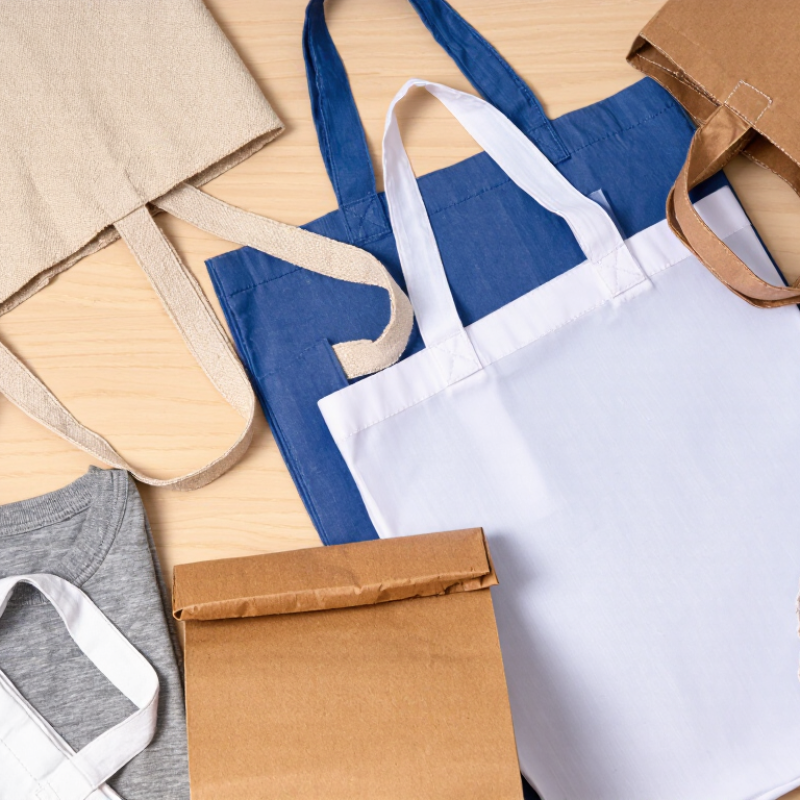
Choosing reusable bags starts with your daily business reality, not a fashionable shape. A bakery may need wide gussets for pastry boxes, while a bookstore needs firm handles for heavier loads. Measure typical purchases, including awkward items. I once underestimated the weight of bottled products. The handles stretched sooner than expected. That mistake changed my testing process. Record average load, peak load, and carrying distance before requesting samples. Small details matter.
Consider who will use the bag and how often it returns. Customers carrying groceries on bicycles may prefer a stable base and comfortable shoulder length. Event visitors may need a compact bag that folds into a pocket. Staff should test opening, packing, and storage during a busy shift. Watch for slipping handles, weak seams, and fabric that feels unpleasant after repeated use. Test it properly. Ask employees to rate comfort without seeing supplier claims. Their comments often reveal problems that specifications miss.
Material selection should match cleaning, climate, and expected lifespan. A washable surface can help food-related businesses, but drying time still affects operations. In wet regions, dark colors may hide marks, although they can show dust quickly. Check stitching, handle attachment, print durability, and available sizes. Request samples and perform simple load and abrasion tests. Do not trust appearance alone. Review storage volume and replacement cost. A durable bag may still fail if customers leave it at home. Measure return rates after launch, then adjust the design when evidence challenges your original plan.
How to Choose the Best Reusable Bags for Your Business?
Match bag capacity to the products customers commonly carry. Small bags suit lightweight purchases, medium bags support everyday retail orders, and large bags are better for bulky or multi-item purchases.
The chart uses common nominal reusable-bag capacities: 5 L for small bags, 10 L for medium bags, 15 L for large bags, and 20 L for extra-large bags. Select a capacity that fits your product mix while avoiding unnecessary material and storage costs.
Comparing Reusable Bag Materials and Their Features
Material choice determines whether a reusable bag performs well or becomes unused stock. Cotton feels premium, holds weight, and accepts detailed printing. However, it uses significant water and energy during production. A UK Environment Agency life-cycle report estimated that a cotton bag may need about 131 uses to match the climate impact of a conventional plastic carrier bag. The figure depends on washing, transport, and production assumptions.
Polypropylene, especially woven or non-woven formats, usually offers a lighter and more affordable option. It resists moisture, folds easily, and suits grocery, retail, and event use. The same report estimated roughly 11 uses for a non-woven polypropylene bag under its assessed conditions. Recycled polyester can add value when businesses need a smooth surface, strong seams, and consistent color. Yet recycled content does not automatically make a bag recyclable in local systems. Check the collection rules.
Durability needs practical testing. Fill each sample with the intended load, then inspect the handles, bottom seams, and stitching. Small details matter. The Ellen MacArthur Foundation’s New Plastics Economy reports emphasize designing products for repeated use and recovery, not only recycled content. A 2023 United Nations Environment Programme report also links better reuse systems with reduced single-use packaging demand. Still, reuse claims can be overstated. A bag used twice is not automatically sustainable. Choose a material that matches real customer behavior, storage conditions, cleaning needs, and expected use frequency.
Choosing the Right Bag Size, Style, and Design
How to Choose the Best Reusable Bags for Your Business?
Choosing the Right Bag Size, Style, and Design
The right reusable bag starts with the products your customers carry. Measure common purchases, then leave a little room for unexpected items. A bakery may need a wide, stable base for boxes. A clothing shop may prefer a taller bag with reinforced handles. Avoid oversized bags. They can feel wasteful and become uncomfortable when filled.
Style should support daily use, not only visual appeal. Cotton, recycled fabric, and durable woven materials create different customer experiences. Check the stitching, handle length, fabric weight, and resistance to moisture. During product testing, fill each sample with realistic items and carry it repeatedly. I once chose a stylish bag with thin handles. Customers liked its appearance, but the handles became uncomfortable quickly. That decision needed more practical testing.
Tips: Keep the design simple. Use readable text and strong contrast. Match colors with your business identity, but do not sacrifice visibility. Ask several customers to test the bag before ordering in bulk. Their feedback may reveal problems your team misses. A small sample order is often safer than trusting a digital image. Also, review storage space, cleaning needs, and expected delivery conditions. A well-designed bag should look appropriate at the counter and remain useful at home.
How to Choose the Best Reusable Bags for Your Business? - Choosing the Right Bag Size, Style, and Design
A practical comparison of common reusable bag formats, materials, capacities, and business applications.
| Bag Type |
Typical Size |
Common Material |
Approx. Capacity |
Typical Load Range |
Best Business Uses |
Design Considerations |
| Small Cotton Tote |
10 × 12 in
(25 × 30 cm) |
Cotton canvas |
About 5–8 L |
3–6 kg |
Boutiques, bookstores, conferences, promotional giveaways |
Works well for compact logos and short messages; limited room for bulky products. |
| Standard Grocery Tote |
15 × 16 × 6 in
(38 × 41 × 15 cm) |
Recycled or virgin woven polypropylene |
About 20–25 L |
8–12 kg |
Supermarkets, retail stores, pharmacies, farmers’ markets |
Choose reinforced handles and a gusseted base for heavier or irregular products. |
| Large Nonwoven Tote |
16 × 14 × 8 in
(41 × 36 × 20 cm) |
Nonwoven polypropylene |
About 25–35 L |
8–15 kg |
Trade shows, apparel retailers, home-goods stores, event kits |
Provides a large printable surface; use color contrast for improved text readability. |
| Foldable Shopping Bag |
13 × 15 × 5 in
(33 × 38 × 13 cm) |
Ripstop polyester or recycled polyester |
About 15–20 L |
5–10 kg |
Travel services, convenience retail, subscription boxes, daily shopping |
A built-in pouch or snap closure improves portability and encourages repeat use. |
| Insulated Food Bag |
10 × 8 × 8 in
(25 × 20 × 20 cm) |
Polyester exterior with foam or reflective lining |
About 12–16 L |
5–8 kg |
Grocery delivery, meal services, catering, specialty food retail |
Prioritize leak-resistant lining, secure closures, and easy-to-clean surfaces. |
| Drawstring Backpack Bag |
14 × 18 in
(36 × 46 cm) |
Polyester, cotton, or recycled fabric |
About 10–15 L |
3–7 kg |
Sports events, schools, community programs, promotional campaigns |
Keep graphics visible when worn; reinforce cord channels for frequent use. |
| Premium Structured Tote |
16 × 14 × 6 in
(41 × 36 × 15 cm) |
Heavy cotton canvas or recycled fabric |
About 20–25 L |
8–12 kg |
Premium retail, client gifts, corporate events, hospitality |
Use a stable base, internal pockets, quality stitching, and restrained branding for a premium appearance. |
Selection Guide:
Choose the smallest bag that comfortably fits the intended products. For frequent reuse, prioritize durable handles, reinforced seams, washable surfaces, and a stable base. Capacity and load ranges are typical estimates and may vary according to fabric weight, construction, and handle design.