What Are the Best Promotional Tote Bags from China?
Choosing the best Tote Bags Promotional products from China requires more than comparing factory prices. Buyers must examine fabric weight, stitching, printing accuracy, packaging, and delivery reliability. A sturdy 12-ounce cotton bag feels different from a thin, loosely woven alternative. The difference becomes obvious when employees carry catalogs, laptops, or groceries.
Promotional-products expert David Blaise has often emphasized the value of usefulness: “A promotional product works best when people want to keep using it.” That principle guides this review. The strongest Chinese suppliers usually provide material samples, digital proofs, production photographs, and clear quality checkpoints. Recycled cotton, organic cotton, and recycled PET can support practical sustainability goals. However, environmental claims still need evidence, such as certification documents and traceable material information.
Small details matter. Reinforced handles prevent early tearing. Colorfast printing protects a brand’s appearance. A flat base improves everyday function. Still, no supplier is perfect. A low quotation may hide higher inspection costs, uncertain lead times, or inconsistent batch quality. Even experienced buyers can overlook these risks when deadlines feel tight. This guide compares popular Tote Bags Promotional options through practical criteria, including customization flexibility, minimum order quantities, sample accuracy, communication, and after-sales support. It also considers how different bags perform at trade shows, retail events, conferences, and community campaigns. The goal is not to praise every factory. It is to identify choices that balance appearance, durability, responsible sourcing, and dependable delivery.
Types of Promotional Tote Bags Commonly Made in China
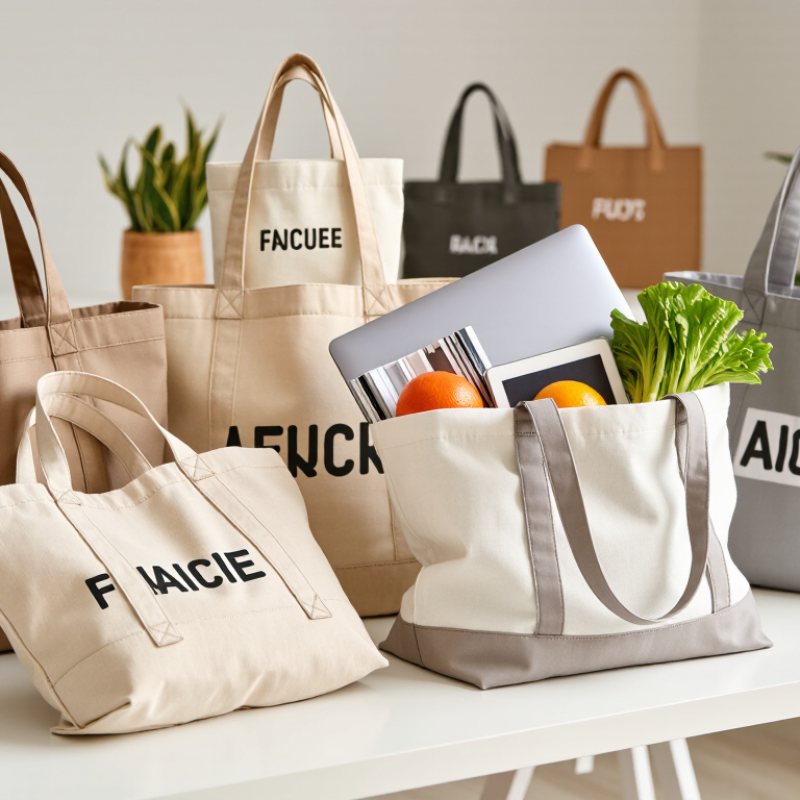
China produces a wide range of promotional tote bags for events, retail campaigns, schools, and workplace programs. The most common option is the cotton canvas tote. It feels sturdy, accepts screen printing well, and can carry books or small groceries. Lightweight cotton versions cost less, but their handles may twist under heavy loads. That detail is easy to overlook.
Nonwoven polypropylene totes are another practical choice. They are light, economical, and available in many colors. Event organizers often use them for brochures, samples, and conference materials. Recycled PET bags offer a smoother surface and a sustainability-focused message. However, buyers should request material documentation instead of relying only on printed claims.
Jute totes provide a natural texture and suit agricultural, food, or outdoor promotions. Laminated bags resist light moisture and display bright graphics, although the coating can reduce recyclability. Drawstring totes work well for sports activities and casual giveaways. Foldable totes fit neatly into pockets, making them useful for travel campaigns. Cooler totes include insulated lining for short-term food transport.
Experienced Chinese manufacturers can also combine materials, add inner pockets, reinforce handles, or customize sizes. A reliable sourcing process includes checking stitching, fabric weight, print clarity, odor, and handle strength. Ask for a physical sample.
Samples reveal mistakes. I have seen attractive artwork fail because the print sat too close to the seam. Clear specifications and independent inspections reduce that risk. Regional packaging and product rules should also be reviewed before distribution.
What Are the Best Promotional Tote Bags from China? - Types of Promotional Tote Bags Commonly Made in China
| Bag Type | Typical Material | Common Thickness or Weight | Typical Size Range | Handle Options | Decoration Methods | Main Promotional Advantages | Best-Fit Applications | Important Considerations |
|---|---|---|---|---|---|---|---|---|
| Cotton Tote Bag | Natural cotton, usually plain weave | Approximately 100–220 g/m² | About 30 × 35 cm to 40 × 45 cm | Short or long cotton webbing handles | Screen printing, heat transfer, embroidery, digital printing | Soft hand feel, natural appearance, reusable, and suitable for detailed promotional artwork | Retail promotions, conferences, educational events, cultural activities, and everyday shopping | Uncoated cotton can absorb moisture and may shrink if not pre-treated or washed correctly |
| Canvas Tote Bag | Heavyweight cotton or cotton-blend canvas | Approximately 220–450 g/m² | About 32 × 38 cm to 45 × 40 cm | Reinforced cotton, polyester, or webbing handles | Screen printing, embroidery, woven labels, and heat transfer | Stronger structure, premium appearance, and better resistance to repeated use | Premium giveaways, bookstores, corporate events, exhibitions, and durable shopping bags | Higher material weight generally increases cost, shipping weight, and production time |
| Non-Woven Polypropylene Tote Bag | Spunbond non-woven polypropylene | Approximately 60–120 g/m² | About 30 × 35 cm to 45 × 40 cm | Flat or stitched polypropylene handles | Flexographic printing, screen printing, and heat transfer | Lightweight, economical, quick to produce, and available in many colors | Trade shows, supermarkets, public campaigns, large-scale events, and short-term promotions | Less breathable and less premium than fabric bags; recycling requirements vary by local system |
| RPET Tote Bag | Recycled polyethylene terephthalate fabric made from recycled plastic bottles | Approximately 80–300 g/m² | About 30 × 35 cm to 45 × 40 cm | RPET webbing, polyester, or stitched fabric handles | Screen printing, heat transfer, sublimation, and woven labels | Supports recycled-material messaging while offering good durability and color consistency | Environmental campaigns, sustainability events, retail promotions, and corporate gifting | Recycled-content claims should be supported by appropriate documentation and verified material specifications |
| Jute Tote Bag | Natural jute fiber, sometimes combined with cotton or laminated fabric | Approximately 250–400 g/m² | About 30 × 35 cm to 45 × 40 cm | Cotton, jute, or synthetic rope handles | Screen printing, heat transfer, labels, and decorative stitching | Distinctive natural texture and strong visual association with eco-conscious promotions | Food packaging, agricultural events, farmers’ markets, weddings, and themed gift packaging | Natural fibers can have color variation, odor, surface fibers, and limited resistance to prolonged moisture |
| Laminated Non-Woven Bag | Non-woven polypropylene with a laminated film layer | Approximately 70–120 g/m² before lamination | About 30 × 35 cm to 50 × 40 cm | Stitched or heat-sealed polypropylene handles | Full-color flexographic or rotogravure-style surface printing | Improved water resistance, vivid graphics, easy cleaning, and strong shelf visibility | Retail shopping, product packaging, food promotions, exhibitions, and seasonal campaigns | The laminated layer can reduce recyclability and may crease if folded repeatedly |
| Polyester Foldable Tote Bag | Woven or oxford polyester | Approximately 100–210D fabric or 120–250 g/m² | About 35 × 40 cm to 45 × 50 cm | Polyester webbing or matching fabric handles | Dye sublimation, heat transfer, screen printing, and digital printing | Lightweight, compact when folded, wrinkle-resistant, and suitable for colorful designs | Travel promotions, outdoor events, retail campaigns, and reusable shopping programs | Very thin fabrics may have limited load capacity; stitching and seam reinforcement are important |
| Mesh Tote Bag | Polyester mesh or nylon mesh | Typically lightweight open-mesh construction | About 30 × 35 cm to 45 × 40 cm | Webbing or fabric handles | Screen printing, heat transfer, sewn labels, and contrasting trim | Breathable, quick-drying, lightweight, and visually distinctive | Sports events, beach promotions, produce shopping, gyms, and outdoor activities | Small items may pass through the mesh; the open structure provides limited privacy and weather protection |
| Recycled Cotton Tote Bag | Recycled cotton fibers, often blended with virgin cotton or polyester for strength | Approximately 120–300 g/m² | About 30 × 35 cm to 45 × 40 cm | Cotton, recycled cotton, or polyester webbing handles | Screen printing, heat transfer, embroidery, and sewn labels | Textured appearance and a strong recycled-material story for sustainability-focused campaigns | Environmental initiatives, conferences, lifestyle promotions, and ethical retail campaigns | Fiber composition, color consistency, and recycled-content percentages should be confirmed before production |
Related Posts
-
2026 Best Tote Bags for Global Wholesale Buyers?
-

Your Ultimate Guide to Sourcing High-Quality Promotional Reusable Bags: Trends and Insights for Global Buyers
-
How to Choose Personalised Bags for Your Business?
-
10 Best Eco Friendly Tote Bags for Wholesale Buyers
-
China Best Tote Bags Manufacturers for Global Buyers
-
Understanding Industry Standards for the Best Tote Bags: A Guide to Choosing the Right One