Why Is Makeup Eyeshadow Popular With Buyers?
Makeup Eyeshadow remains popular because it can change a look with a few small strokes. A soft beige shade may brighten the eyes for work, while deep plum or bronze can add definition for an evening out. Buyers also have many formats to choose from, including pressed powders, cream pots, and convenient palettes. That choice makes the product feel personal. It also makes shopping less simple.
Color payoff matters, but it is only part of the decision. People often compare blendability, wear time, packaging, and price before buying. A palette with clear shade names and a secure lid may be more practical than one with dramatic colors that rarely get used. Online photos and tutorials can help shoppers discover new looks, though screen colors do not always match real life. Not always. Ingredient lists and product descriptions deserve attention, especially for buyers with sensitive skin or a history of irritation. Individual reactions differ, so no formula can be assumed to suit everyone.
The appeal is also emotional. Eyeshadow offers a low-commitment way to experiment with color, mood, and self-expression. A single shimmer shade can feel playful; a matte brown can become part of a daily routine. Still, popularity does not mean every palette is useful or worth its price. Buyers benefit from checking shade variety, texture, and return policies rather than relying on hype alone. Understanding these practical and personal reasons helps explain why Makeup Eyeshadow continues to attract such a wide range of shoppers.
What Eyeshadow Is and How It Is Used
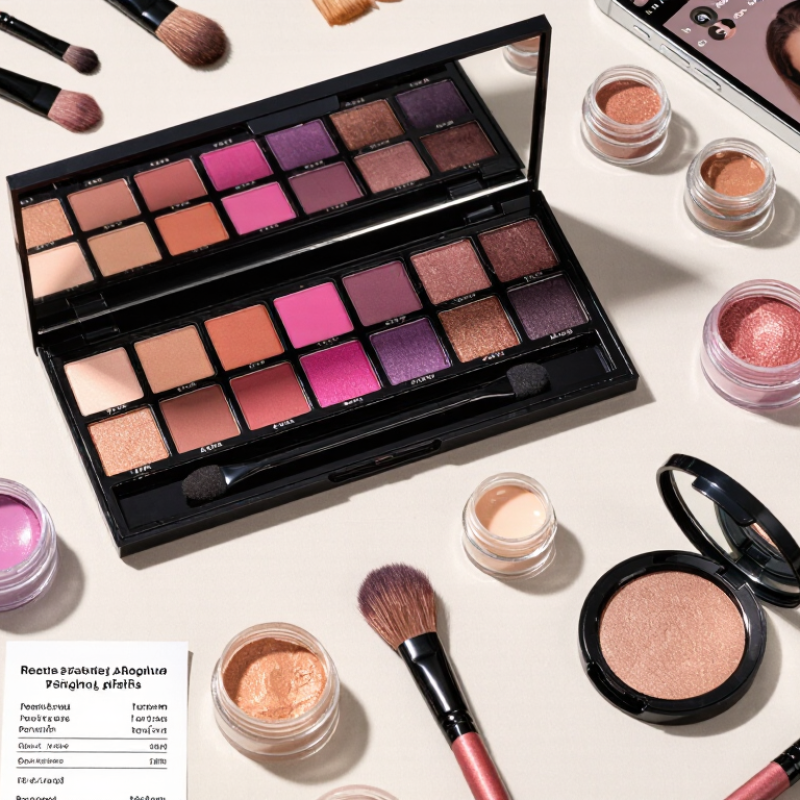
Eyeshadow is colored makeup applied to the eyelids to add definition, contrast, or a hint of shimmer. It comes in powder, cream, and liquid forms. Powder often blends easily with a brush, while cream can feel richer and needs careful blending. Use a clean fingertip or brush to place a small amount on the lid, then soften the edges with a clean blending brush. Start with less than you think you need. Color can look brighter on the skin than it does in its container.
People use eyeshadow for subtle everyday definition or more noticeable evening looks. A light shade across the lid can brighten the eye area; a deeper shade near the lash line can add depth. There is no single correct placement. Eye shape, skin texture, and personal preference all affect the result. Sometimes a carefully chosen shade still looks different in daylight. That is part of experimenting, not a failure.
Tips: Apply in thin layers and check the color in natural light. Keep brushes clean, avoid sharing eye makeup, and remove it gently before sleep. If a product causes irritation, stop using it. A little practice helps, though the two sides may not match perfectly.
How Colors and Finishes Enable Personal Expression
Eyeshadow attracts buyers because a small patch of color can change the mood of a whole look. A soft taupe wash may feel quiet for a workday, while copper on the lid catches warm light at dinner. Color choices let people signal playfulness, calm, or drama without changing their clothes. There is no universal shade chart. Skin tone, eye color, lighting, and personal taste all affect how a pigment appears. Even a familiar shade can look unexpectedly bright under a bathroom bulb.
Finish adds another layer of choice. Matte shadows create soft definition and are often easy to blend through the crease; shimmer reflects light and draws attention to the lid. Satin sits between them, though labels do not always predict how a product feels on skin. A fingertip can place shimmer precisely, while a fluffy brush often spreads matte color more evenly. Small details matter. Powder may fall onto the cheek, and deeper pigments can call for a slower hand. Buyers may build palettes around dependable neutrals, then add an unusual green or lilac to experiment. Not every experiment works. That is part of the appeal: color and texture make routine makeup personal, and the result can shift with mood, daylight, or a slightly imperfect blend.
Why Is Makeup Eyeshadow Popular With Buyers?
Colors and finishes give people ways to create looks that suit their mood and personal style. This chart shows approximate representative wavelengths for visible-light color families—not measurements of eyeshadow pigments.
How to read it: Wavelengths are approximate examples within the visible spectrum. Eyeshadow pigments usually reflect a range of wavelengths, while matte, shimmer, and metallic finishes change how the color appears by altering light reflection.
Why Eyeshadow Suits Different Styles and Occasions
Why Is Makeup Eyeshadow Popular With Buyers?
Why Eyeshadow Suits Different Styles and Occasions
Eyeshadow can shift a look without changing the rest of a makeup routine. A soft taupe shade adds gentle definition for a daytime meeting, while a muted rose can make a weekend outfit feel more playful. For a subtle effect, blend a light wash across the lid and keep the edges soft. Small changes matter. Matte textures often look understated, while a touch of shimmer catches light at dinner or an evening event.
Its flexibility also makes eyeshadow useful across different styles. Someone who prefers minimal makeup might choose one neutral shade; another person may layer several colors for a bolder, more expressive look. In practice, the same palette can serve both, though not every shade suits every skin tone or setting. That part takes a little trial and error. Lighting can also change how a color appears, so checking it near a window may help. For sensitive eyelids, try a small amount first and stop if irritation occurs. A little imperfect blending is common, and sometimes a softer edge looks more natural than a perfectly even finish.
What Influences Buyers’ Eyeshadow Choices
Why Is Makeup Eyeshadow Popular With Buyers?
What Influences Buyers’ Eyeshadow Choices
Buyers often compare shade, finish, wear time, and ease of blending. A soft matte taupe suits everyday wear, while a bright shimmer may feel right for an event. Grand View Research estimated the global eye makeup market at USD 16.55 billion in 2023, with projected growth through 2030. That points to sustained interest, but not one universal preference.
Choice is personal and practical. Shoppers may check whether a shade works with their skin tone, whether powder falls beneath the eyes, and whether the palette offers useful colors. Price and product photos matter, too. Circana reported that U.S. prestige makeup sales rose 5% in 2024, suggesting shoppers still spend on makeup, though it does not explain every eyeshadow purchase. Online swatches can mislead. I may be giving them too much weight; lighting and screens change how colors appear.
Tips: Check swatches in daylight, then read reviews about blending and wear. For a first palette, look for a few shades you will actually use. Small palettes can be enough.