Diy French Fries Gummy Candy has a simple visual joke at its heart: a familiar side dish becomes a sweet, chewy treat. The fries may look golden, but their soft texture and fruity flavor tell a different story. That contrast is the hook. A small pile on a plate, perhaps beside a cup of candy dip, can make an ordinary snack table feel playful and surprising. It is easy to see why the idea attracts curious home cooks, families, and people who enjoy sharing colorful food projects online.
The appeal is not only in the finished candy. Making it can involve choosing a flavor, shaping the pieces, and adjusting their size until they resemble thin fries. A silicone mold can help, though homemade shapes may look uneven. That can be part of the charm. Still, gummy texture depends on the recipe, ingredient measurements, and cooling time, so results are not guaranteed to match polished photos. Too much moisture can leave the pieces sticky, while overly firm candy may lose the soft bite people expect. Careful measuring and clean utensils make the process more dependable. This trend is fun, but not magic. Its popularity comes from a mix of novelty, creativity, and an easy-to-share result—and a little imperfection may make each batch feel more personal.
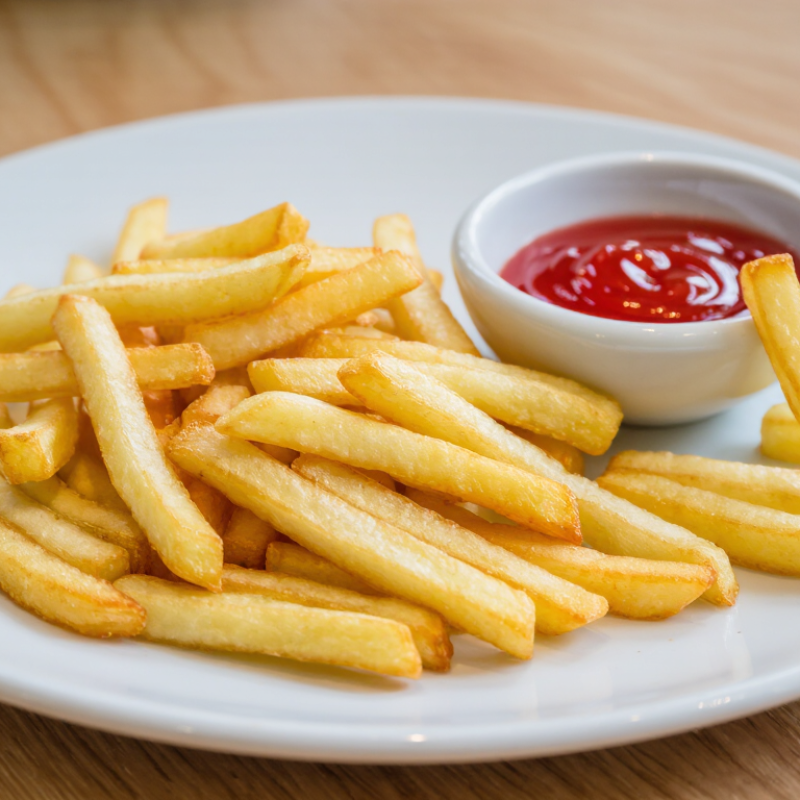
DIY French fries gummy candy turns a familiar snack into a playful candy-making project. The pieces are usually slim, golden-yellow gummy strips, cut to resemble fries rather than shaped like ordinary bears or rings. Their texture should bend and chew, though some kits produce softer pieces than expected. That contrast matters. A small cup of red dipping gel often stands in for ketchup, adding a sweet-tart note and a vivid color contrast. The fries may look convincing, but they are still candy.
A kit commonly includes a gummy mixture or ready-made gummies, a mold or shaping tray, and dipping gel; some versions add tools or instructions. Ingredients and flavor vary, so check the package rather than assuming every kit tastes the same. The National Confectioners Association’s 2024 State of Treating report found that 98% of Americans say they enjoy chocolate or candy. That broad interest offers context for playful candy experiences, but it does not measure demand for this particular kit. The appeal is partly hands-on: pressing mixture into narrow shapes, waiting for it to set, then arranging the pieces beside the dip. A little mess is likely. And the fries may not all match.
Gelatin gives DIY French fries gummies their familiar bounce. As it cools, gelatin forms a flexible protein network that bends before it breaks. A firmer mixture can hold narrow fry shapes, while too much water leaves them floppy. Shape is only half.
Pectin creates a different bite. High-methoxyl pectin typically needs sugar and acid to set; low-methoxyl pectin relies more on calcium. That can produce a shorter, less elastic chew than gelatin. Fortune Business Insights’ gelatin market report valued the global market at about $3.12 billion in 2023 and forecasts $5.65 billion by 2032. This is broad ingredient-market context, not proof of gummy-fry demand. Still, it shows gelatin remains an important commercial gelling material.
Molding finishes the illusion. Thin cavities, tapered ends, and shallow ridges make each piece resemble a cut potato fry. A light coating of sanding sugar adds a dry-looking surface, though the candy remains chewy. Temperature and setting time matter: pour too hot, and fine details may blur; unmold too soon, and the fries can stretch. There is a trade-off. A very firm gummy holds its shape but may lose the playful, tender bite that makes the idea appealing.
Why Is DIY French Fries Gummy Candy Popular?
The U.S. confectionery market reached about $48 billion in 2023, according to the National Confectioners Association’s State of Treating report. That scale matters. In a crowded sweets aisle, a familiar shape can catch the eye before a flavor description does. Gummy “fries” borrow the golden, narrow look of fast-food fries, then turn it into a chewy treat. The contrast is immediate—and easy to understand without explanation.
Novelty shapes also give candy a small activity. People can arrange the gummies on a plate, share them with friends, or pair them with a sweet dip. A playful format may invite photos and conversation, especially when the candy looks convincing at first glance. Still, novelty is not magic. Texture, flavor, and ingredient quality have to earn a second purchase. A fry shape can attract attention; a sticky bite or overly artificial taste can undo it.
NCA’s industry reporting tracks confectionery sales across categories, showing how large the market is, but market size alone cannot prove why one novelty product succeeds. That needs product-level sales or consumer research. The practical opportunity is clear, though: distinctive shapes can make an ordinary gummy feel like an experience. Small details count. A crisp-looking edge, realistic color, and soft chew help the joke land.
U.S. confectionery market, 2023
The National Confectioners Association reported a $48 billion U.S. confectionery market in 2023. Novelty shapes such as French-fry gummies can catch attention through visual surprise and playful contrast—but this market-wide figure does not measure sales or popularity of any specific candy shape.
Source: National Confectioners Association (NCA), 2023 market figure.
Making French fries gummy candy is enjoyable because each step invites small creative choices. A cook can tint the mixture pale gold, pour it into a shallow tray, then chill it until firm. Afterward, slice it into narrow strips with a clean knife. The shapes will not all match. That is part of the charm.
The hands-on details make the activity feel personal. Try different strip widths, or dust some pieces lightly with sugar for a sparkling finish. Keep a few plain, so everyone can compare the textures. A first batch may look more like tiny noodles than fries. Adjusting the next cuts is easy, and children can help with decorating when an adult handles hot ingredients and sharp tools. Use food-safe utensils and follow a tested recipe for setting and storage.
Sharing turns the candy into a small group project. Set out the gummy strips in a bowl, then invite friends to arrange them into paper cones or pair them with a sweet dip. People can choose their own colors and toppings, which gives everyone a reason to join in. It can get messy. A few uneven pieces may even become the favorites. My only hesitation is that very sugary coatings can hide the gummy’s fruit flavor, so a light dusting often works better.
| Appeal Factor | Hands-On Choice | Example Customization | How It Makes Making and Sharing Fun |
|---|---|---|---|
| Recognizable shape | Choose the fry shape and size | Use a fry-shaped mold or cut a chilled gummy slab into strips. | The familiar fast-food shape creates a playful surprise when it turns out to be candy. |
| Flavor | Select a juice, puree, or flavoring for the gummy mixture | Try fruit flavors such as strawberry, orange, or lemon, following a suitable gummy recipe. | People can make different batches and compare flavors together. |
| Color and appearance | Adjust the color and presentation | Make one color or several colors, then arrange the finished gummies in a small serving cup. | Colorful batches are easy to personalize and make a cheerful addition to a party table. |
| Texture | Choose a recipe and follow its ingredient proportions | Gelatin-based and pectin-based recipes can produce different gummy textures; results depend on the recipe. | Trying a different recipe gives makers a simple way to explore how ingredients affect the finished candy. |
| Dipping and serving | Pair the gummies with a separate dip or topping | Serve with a sweet fruit dip, or offer toppings separately so guests can choose. | A dipping station turns serving into an interactive activity and lets guests customize their own portions. |
| Group participation | Share tasks among the makers | One person prepares the mixture, another fills the molds, and others arrange the finished pieces. | The steps are easy to divide, making the activity suitable for a family kitchen or small gathering with adult supervision. |
| Make-ahead convenience | Plan time for the gummies to set | Follow the recipe’s chilling instructions; many homemade gummy recipes require refrigeration before unmolding. | Preparing the candy ahead of a get-together leaves the group free to focus on decorating and sharing. |
| Dietary preferences | Check ingredients and select an appropriate recipe | Gelatin is animal-derived; some recipes use pectin instead. Check all ingredients for individual dietary needs and allergens. | Offering clearly labeled options can help hosts plan a more inclusive shared activity. |
DIY French fries gummy candy invites repeat purchases when the playful shape is matched by a satisfying bite. The 2023 International Food Information Council Food & Health Survey, based on 1,022 U.S. adults, found that taste influenced food and beverage choices for 85% of respondents. That makes flavor more than a novelty: a bright fruit note should balance the sugar, not disappear beneath it. Texture matters too. A lightly sugared exterior can give way to a soft, chewy center, while excess moisture may leave the pieces tacky. Looks matter. A small paper tray, crisp fry-like edges, and contrasting colors make the candy feel giftable and fun to share.
Presentation earns the first glance; consistency earns the next purchase. Keep batches similar in size and coating, and avoid piling warm pieces together, where they may stick. Safe storage is part of that promise. Use a clean, airtight container in a cool, dry place, and follow the product’s package instructions and date marking. Humidity can soften coatings, while heat can deform the fries. Keep it dry. Still, appearance is easy to overvalue: a perfect photo cannot rescue a gummy that turns rubbery after sitting out. A quick texture check before serving is sensible, especially when the candy has been stored for a while.