Why Choose a Trusted Migraine Cap Maker?
Choosing a Migraine Cap Maker deserves more care than comparing colors or prices. The cap rests against the head, so fabric feel, seam placement, and pressure can affect comfort during use. A trustworthy maker explains what the product is made from, how it should be cleaned, and what customers can reasonably expect. These details are practical, not flashy.
Look for clear product specifications, consistent sizing information, and responsive answers to basic questions. If a maker describes cooling performance, check whether the explanation is specific and avoids promising a cure. Not a cure. A migraine cap may offer comfort for some people, but individual experiences differ, and it should not replace professional medical guidance. Fit can vary. Even a well-made cap may feel too tight, too loose, or simply unsuitable for one person.
Trust also comes from what a company does not claim. Reliable manufacturers make limitations visible and provide care instructions that match the materials. They should be willing to discuss quality checks and help resolve ordinary product concerns. A close look at stitching, packaging, and the clarity of instructions can reveal useful clues, though these signs cannot prove everything. Choosing well takes a little patience. Compare the maker’s information with your needs, consider comfort and return terms, and ask questions before buying. No cap works for everyone. That honest point is easy to overlook, but it belongs in any sensible buying decision.
Defining Migraine Caps and Their Role in Cold Therapy
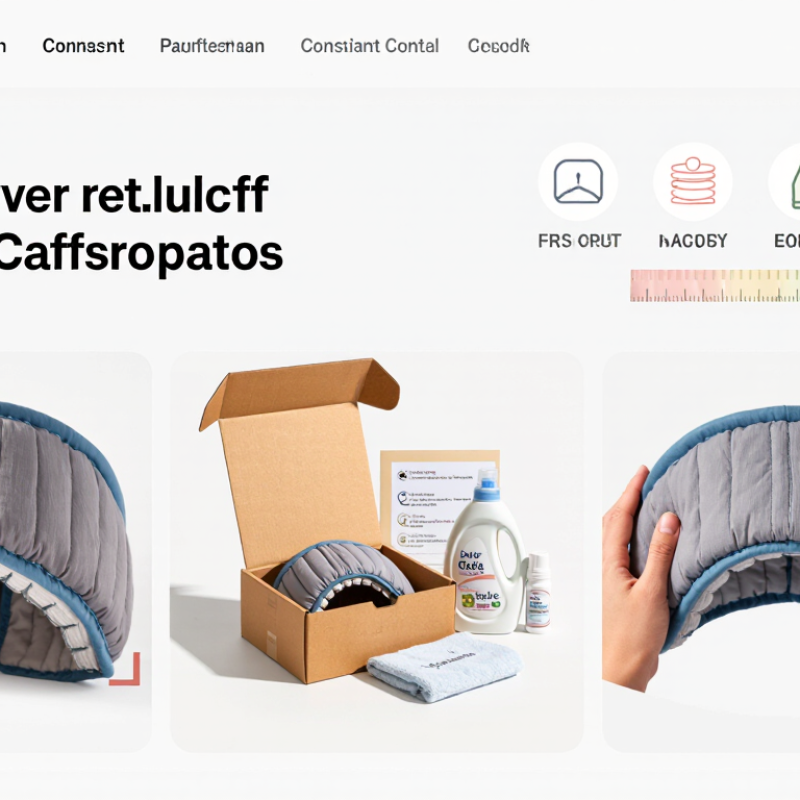
A migraine cap is a soft, close-fitting head covering designed to provide cooling around the forehead, temples, and sometimes the back of the head. Many contain flexible gel panels that can be chilled before use. The fabric should feel smooth against the skin, while the cap stays in place without squeezing. A snug fit matters. Too much pressure can feel unpleasant when someone is already sensitive to touch.
Cold therapy offers a simple sensory option, not a guaranteed migraine treatment. A cool surface may help some people feel more comfortable, especially in a quiet, dim room. Others may find cold uncomfortable or prefer a different approach. That distinction matters. Follow the maker’s chilling and use instructions, and place a thin layer of fabric between very cold material and bare skin if needed. Stop using the cap if the cold causes pain, numbness, or irritation.
A trusted migraine cap maker should use durable seams, consistent gel distribution, and materials that are easy to clean. Clear guidance on fit, chilling time, and safe use is just as important as the product itself. Small design flaws can show up quickly: a shifting panel or tight edge may distract instead of soothe. No cap works for everyone, and product claims should reflect that.
Why Choose a Trusted Migraine Cap Maker?
Defining Migraine Caps and Their Role in Cold Therapy
Migraine caps are wearable cold packs designed to provide cooling and gentle coverage around the head. Cold therapy may offer temporary comfort for some people, but it is not a cure and results vary. A trusted maker should clearly describe materials, fit, care instructions, and safe-use guidance.
WHO estimates that headache disorders affect about 40% of the global population and migraine about 14%. These figures overlap: migraine is one type of headache disorder, so the percentages should not be added.
Source: World Health Organization, “Headache disorders.”
Why Demand Matters: WHO Estimates Migraine Affects 1 in 7 People
WHO estimates migraine affects about one in seven people, so demand for practical comfort products is understandable. Migraine can disrupt work, sleep, and ordinary routines; a bright screen or noisy room may feel harder to tolerate during an attack. A cooling cap may offer temporary comfort, but it does not prevent or cure migraine. High demand makes careful product choices more important, not less.
A trusted migraine cap maker should clearly describe materials, sizing, care instructions, and how the cap is intended to fit. Look for straightforward claims rather than promises of guaranteed relief. A cap that feels too tight, warms quickly, or irritates the skin may not be useful, even if its design looks convincing online. Small details matter: seams near the temples, fabric against the forehead, and whether the cap stays in place while resting. Even a well-made cap has limits, and comfort varies from person to person.
Tips: Check the return and cleaning policies before buying. Follow the maker’s cooling instructions, and place a cloth between very cold materials and sensitive skin. If headaches change suddenly or worry you, seek medical advice.
Why Choose a Trusted Migraine Cap Maker? — Why Demand Matters: WHO Estimates Migraine Affects 1 in 7 People
| Data Dimension | Verified Finding | Why It Matters | Source |
| Global migraine prevalence | The World Health Organization estimates that migraine affects about 1 in 7 people worldwide. | This substantial global burden makes dependable product quality and clear product information important for people comparing migraine comfort products. | World Health Organization, Headache disorders |
| Differences by sex | WHO reports that migraine is more common in women than men, by about a two-to-one ratio. | A trusted maker should consider a range of fit and comfort needs rather than assume one design suits every user. | World Health Organization, Headache disorders |
| Age and daily life | WHO notes that headache disorders, including migraine, are most prevalent in the 20–50 age group. | Clear care instructions, practical materials, and consistent manufacturing can help users assess whether a product fits their routines. | World Health Organization, Headache disorders |
| Disability burden | WHO identifies headache disorders as a major cause of disability and reports that migraine is the second-leading cause of years lived with disability worldwide. | Product descriptions should be accurate and should not promise to cure or prevent migraine. A cap should be presented as a comfort product, not a substitute for medical care. | World Health Organization, Headache disorders |
| Typical untreated attack duration | Under the International Classification of Headache Disorders, migraine without aura typically has attacks lasting 4–72 hours when untreated or unsuccessfully treated. | Because experiences and needs can vary over an attack, transparent information about product use, fit, and care is more useful than unsupported performance claims. | International Headache Society, ICHD-3 |
| Trust and product selection | Health authorities describe migraine as a common neurological disorder; they do not certify individual migraine-cap manufacturers. | When evaluating a maker, look for precise material and care details, consistent quality controls, transparent safety information, and claims supported by appropriate evidence. | WHO overview; ICHD-3 diagnostic criteria |
Note: The prevalence and clinical details above are attributed to the cited health sources. The product-selection points are practical considerations, not clinical recommendations or claims that a migraine cap treats migraine.
Assessing a Maker’s Quality System Against ISO 13485:2016
Choosing a migraine cap maker starts with more than cooling claims or polished packaging. A disciplined system matters. ISO 13485:2016 defines quality-management requirements for medical-device organizations. It does not prove that every cap performs well. Ask whether the maker’s certified scope covers the facility and relevant manufacturing activities. Request a current certificate and verify its issuing body independently. Small detail, big difference.
Look for daily controls: approved suppliers, checks on gel and fabric, assembly instructions, and lot-level traceability. If a seam opens or a cold pack leaks, can the maker identify affected batches and record corrective actions? Ask how product risks, design changes, complaints, and returned units are reviewed. These records should connect, not sit in separate folders. That is where practice shows. A careful supplier can explain how inspection criteria are set and how staff training is recorded. Still, paperwork can look tidy while a real workflow is uneven. Request a sample inspection record or walk-through, and note gaps without treating them as automatic failure. No system is perfect. Compare the same checks across two production lots, if the maker can provide them.
Checking Material Safety, Temperature Claims, and Fit-Test Evidence
Why Choose a Trusted Migraine Cap Maker?
Material safety deserves more than a smooth-looking product page. Ask what touches the skin, including the inner lining, gel, dyes, and seam finishes. A maker should provide clear material information and explain how the cap is cleaned. Check for care instructions that match your routine. Fragrance-free claims alone do not prove a product will suit sensitive skin. Skin varies. If irritation occurs, stop using the cap and seek appropriate advice.
Temperature claims need context. “Cold for hours” is vague unless the maker states how the cap was chilled, tested, and measured. Look for test conditions, such as starting temperature, room conditions, and duration. These details help you judge whether results might match a real freezer and a warm room. Cooling comfort is personal, and a cap should not be presented as a guaranteed migraine treatment. Claims can sound precise while leaving important questions unanswered.
Fit-test evidence should show more than a single model wearing the cap for a photo. Useful testing includes different head sizes, adjustment points, and movement, such as turning or reclining. Notice whether the cap stays in place without pinching the temples or pressing uncomfortably near the eyes. Ask how many people tested it and how feedback was recorded. Small tests have limits. I would still want clearer evidence about long-term wear, since a neat fit in a short trial may not tell the whole story.
Comparing Product Traceability, Testing Records, and Customer Support
Why Choose a Trusted Migraine Cap Maker?
A migraine cap may look simple, but its materials and cooling behavior deserve careful checks.
The World Health Organization reports that migraine affects about 14% of adults worldwide. The Global Burden of Disease 2019 study estimated 1.1 billion migraine cases. These figures make consistent product information more than a paperwork detail.
Traceability should connect each cap to its material specifications, production batch, and inspection record. Ask whether the maker can identify fabric and gel suppliers, and explain how defects are logged. Testing records should show practical checks, not just a pass label: seam strength, leakage after repeated freezing, and cooling performance under stated conditions. Small details matter. A neat spreadsheet is not proof by itself; test methods and dates should be clear enough to review.
Customer support is another quality signal. Look for reachable staff who can answer questions about care, storage, and product limits without promising medical results. A useful response includes clear instructions and a route for reporting a damaged seam or leaking cap. Check whether complaints are tracked and whether recurring issues lead to changes. I would also ask how quickly records can be shared; some makers may need time to retrieve them, and that delay is worth noticing. WHO migraine estimates and GBD findings describe the health burden, not whether any particular cap works, so product claims still need their own evidence.