What Is a QR Code Packaging Bag?

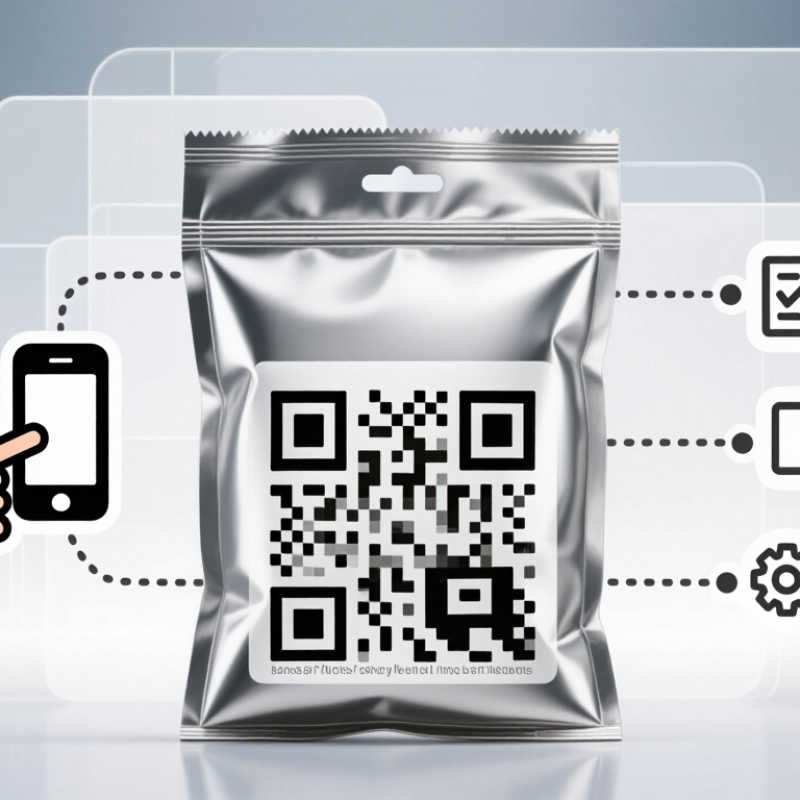
A Qr Code Packaging Bag is more than a pouch with a printed square. It connects physical packaging to useful digital information. A shopper can scan the code with a phone and reach product details, instructions, sourcing information, or a brand’s support page. The exact experience depends on what the code links to—and whether that page stays current. Small details matter. A glossy finish, curved seam, or tiny print can make scanning harder.

Masahiro Hara, the lead developer of the QR Code at Denso Wave, is a useful reference for understanding the technology behind this packaging format. A practical principle consistent with his work is: “A code should make information easier to access, not just decorate the package.” That is a design takeaway, not a verified direct quotation. For brands, the bag still needs to protect its contents, carry clear printed information, and scan reliably under ordinary lighting. Test it on the actual material. Test it after printing. And check the destination page on a phone. A QR code can look perfect on screen and fail on a wrinkled pouch. That happens. Thoughtful design also means considering people who cannot, or simply do not want to, scan; essential information should not depend on the code alone. This introduction explores what a Qr Code Packaging Bag is, how it works, and what makes one practical for both businesses and customers.
What Is a QR Code Packaging Bag?

What Defines a QR Code Packaging Bag?

A QR code packaging bag is a flexible pouch or bag with a printed code that a phone camera can scan. The code links the physical package to digital information, such as product details, storage guidance, or instructions. The bag still needs to protect its contents; the code adds a way to access information without crowding the printed surface.

What defines the bag is not a special material, but a readable code and a useful destination. Placement matters. A code printed across a fold, seam, or glossy patch may be difficult to scan, especially when the bag is crumpled or held under bright light. Test it on the finished package, not just on a flat design proof. Check several phones and scan from a natural distance. Small details count.

The linked page should load quickly and work well on a phone. Keep the printed code large enough, with clear contrast and blank space around it. Avoid changing the destination without checking that the link still works. A design may look clean on screen and still fail in a customer’s hand; that is easy to overlook.
How QR Codes Are Integrated Into Packaging Bags

A QR code packaging bag carries a scannable code printed or applied directly to its surface. Integration starts with the bag’s material, shape, and printing process. A flexible pouch may crease, so the code needs a flat, visible area. Strong contrast and a clear border help phone cameras read it. Test samples after lamination, too; glare can make a clean print difficult to scan.

GS1’s Sunrise 2027 initiative encourages retailers to prepare for 2D barcodes at checkout by the end of 2027. That makes reliable code placement increasingly relevant to packaging design. MarketsandMarkets estimated the smart packaging market at USD 23.5 billion in 2022 and forecast USD 38.4 billion by 2028. This estimate covers smart packaging broadly, not QR bags alone. On a bag, a code can link to ingredient details, recycling guidance, or a batch-specific page. Keep the destination useful and quick to load. There is a catch. A code that scans in a studio may fail on a wrinkled pouch under store lighting. Test real bags with several phones, and leave enough space around the code.

How Consumers Scan and Use the Code

What Is a QR Code Packaging Bag?
How Consumers Scan and Use the Code

A QR code on a packaging bag turns a printed square into a quick route to product details, instructions, or a digital offer. Consumers open their phone camera, hold it over the code, and tap the link that appears. No special app is usually needed. Then tap. A steady hand helps, especially when the bag is glossy, folded, or curved. If the code is scratched or covered by a seal, scanning may fail. The experience is simple, but not flawless.

The value depends on what the scan provides. Juniper Research’s 2017 mobile-coupon report projected 5.3 billion mobile coupon redemptions worldwide by 2022, up from 1.3 billion in 2017. That forecast covered mobile coupons broadly, not packaging scans alone. Juniper Research also projected 2.2 billion QR-code payment users by 2025 in its 2021 report. Those figures suggest growing familiarity with QR interactions, but they do not guarantee that every shopper will scan a bag. A useful destination should load quickly, work on a small screen, and answer a clear question. Consumers may check ingredients, follow storage guidance, or save a discount. They may also leave if the page asks for too much. That deserves a second look.

What Is a QR Code Packaging Bag? — How Consumers Scan and Use the Code

A QR code on a packaging bag can be scanned with a smartphone camera to open product information, instructions, or other linked content. This chart shows the maximum numeric characters a Version 1 QR code can hold at each error-correction level. Higher error correction can help a code remain readable when partly damaged, but it reduces data capacity.

Common Uses Across Products and Industries

What Is a QR Code Packaging Bag?
Common Uses Across Products and Industries

A QR code packaging bag carries a scannable code that connects the physical package to useful digital information. A customer can scan it with a phone camera. The link might show care instructions, product details, a recipe, or a short setup video. Keep the destination clear and mobile-friendly; a crowded page can undo the convenience.

Food producers may use bags to share storage guidance, ingredient details, or serving ideas. A coffee pouch, for example, could link to brewing suggestions and a roast description. In cosmetics, a pouch might provide directions for use and explain how to store the product. Apparel packaging can offer washing instructions, while electronics bags may link to setup steps or troubleshooting information. Small details matter.

QR codes also suit gardening supplies, household goods, and pet products. A seed bag could connect buyers to planting tips for different growing conditions. The code should be printed with enough contrast and space around it, then tested on the finished bag under ordinary lighting. A wrinkle or glossy finish may make scanning harder. Links can change, but they still need regular checking; an outdated page is a real weak spot. And not every customer wants to scan, so keep essential package information readable on the bag itself.

What Is a QR Code Packaging Bag? - Common Uses Across Products and Industries
Industry Typical Products Common QR Code Destination Practical Use Packaging Bag Examples
Food and Beverage Coffee, snacks, tea, dried foods, and frozen products Ingredient details, allergen information, preparation instructions, recipes, or sourcing information Provides more product information than may fit on the printed package and can guide customers to usage ideas. Stand-up pouches, flat pouches, and resealable bags
Pet Care Dry pet food, treats, and supplements Feeding guidance, product details, care advice, or customer support information Makes feeding and product guidance easy to access from the package. Resealable food bags and flexible treat pouches
Personal Care and Cosmetics Bath salts, face masks, refill products, and sample sachets Usage directions, ingredient explanations, product routines, or safety information Offers instructions and product guidance for items with limited space for printed copy. Refill pouches, sachets, and laminated flexible bags
Household Products Laundry products, cleaning supplies, and household refills Directions for use, dilution instructions, disposal guidance, or safety information Helps customers find instructions and handling guidance while supporting refill use. Refill pouches and durable flexible bags
Agriculture and Gardening Seeds, soil amendments, and garden-care products Planting instructions, seasonal tips, product application guidance, or growing information Connects package contents to instructions that can vary by plant or growing conditions. Seed packets, small pouches, and larger bags
Health and Wellness Vitamins, powdered supplements, and wellness products Product directions, ingredient information, frequently asked questions, or support resources Provides a scannable route to additional product information; required label information should remain on the package where applicable. Powder pouches, sachets, and resealable bags
Retail and E-commerce Apparel accessories, small goods, and subscription products Care instructions, product registration, return guidance, or digital product pages Extends the customer experience beyond the package and can simplify access to post-purchase information. Mailing bags, protective pouches, and product bags
Recycling and Product Information Packaged goods made with materials that have specific disposal guidance Material information, local disposal guidance, or packaging-specific instructions Can direct users to updated disposal information, while the QR code itself does not guarantee recyclability. Flexible bags and pouches with space for a printed QR code

A QR code packaging bag is a product bag or pouch printed with a scannable QR code that links to digital information. The code should have sufficient contrast, clear space, and an appropriate size for reliable scanning, and its destination should be kept current.

Benefits and Practical Considerations of QR Code Bags

What Is a QR Code Packaging Bag?

A QR code packaging bag carries a printed code that shoppers can scan with a phone camera. The code may open product instructions, ingredient details, sourcing notes, or recycling guidance. The bag itself can be made from paper, film, or another packaging material; the code does not determine its structure. Its value depends on what customers find after scanning.

Benefits and Practical Considerations of QR Code Bags

A useful code answers a real question at the moment someone needs it. For example, a shopper could scan a pouch in a store to check preparation steps or storage advice. Digital pages are easier to update than printed packaging, which can help when details change. But a QR code is not useful by itself. The destination should load quickly, read well on a small screen, and match the information printed on the bag.

Print quality matters. Keep clear space around the code, use strong contrast, and avoid placing it across a fold or seal. Test scans on finished bags, not just on a flat design proof. Try different phones and ordinary indoor lighting. Small codes can fail. Moisture, glare, or wrinkled film may also make scanning frustrating. That is not always elegant. Include a short web address nearby, and avoid making essential product information available only through a scan. If the page collects visitor data, explain that plainly and provide a clear privacy notice.

Call Now Button