
What Is a Botanical Garden Light Show?

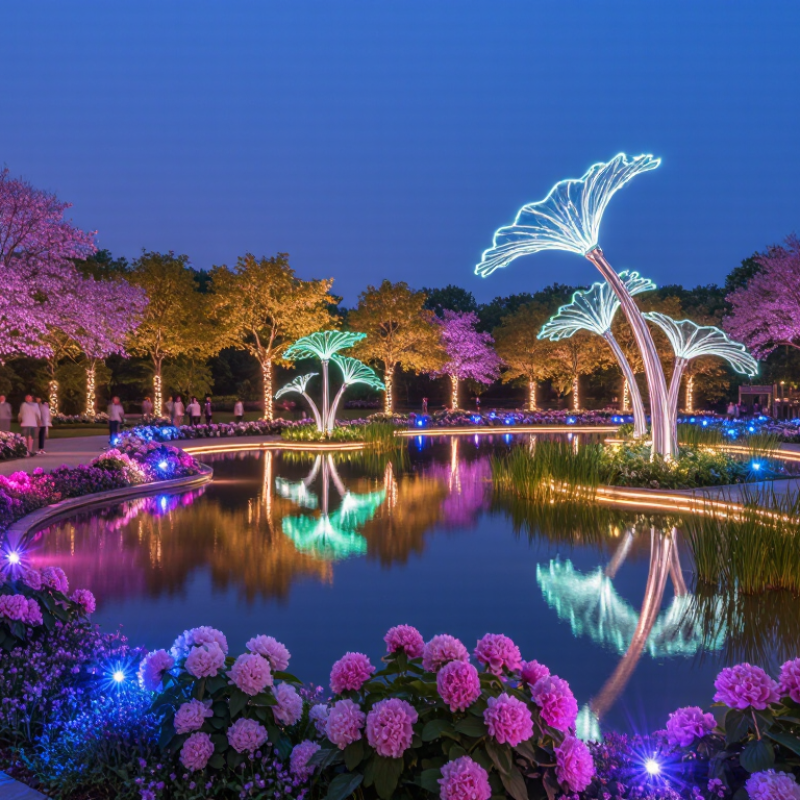
A botanical garden light show transforms familiar paths, trees, and water features with carefully placed illumination. Instead of treating the garden as a blank stage, a well-planned display works with its living landscape. Colored lights may trace a canopy, shimmer across a pond, or reveal the shape of a flower bed after dusk. Some events also include gentle music, illuminated sculptures, or short seasonal stories. The result is part evening walk, part visual exhibition. Quiet, but vivid.

Behind the glowing scenes, practical choices matter. Organizers typically plan routes, manage visitor flow, and select lighting that suits the setting. Signs and staff can help guests follow paths, avoid restricted planting areas, and find accessible routes. Details vary by venue, so visitors should check opening times, ticket rules, weather guidance, and photography policies before arriving. Comfortable shoes help on damp or uneven paths. Not every corner glows, and that can be a good thing: darkness gives the eye room to rest and helps the plants remain part of the experience. Still, light can affect the atmosphere of a garden, and the balance is not always perfect. A botanical garden light show is most rewarding when it offers spectacle without obscuring the place that makes it special. It invites visitors to look closely, move at an unhurried pace, and notice familiar plants in an unfamiliar light.
What Is a Botanical Garden Light Show?

What Defines a Botanical Garden Light Show?

A botanical garden light show is a designed nighttime experience, not simply a collection of bright decorations. What defines it is the relationship between light and living plants: paths reveal silhouettes, tree trunks become part of the scene, and color draws attention to seasonal details. A visitor might move from a softly lit fern bed to a canopy threaded with tiny points of light. The garden remains the subject.

Good design also respects the site after dark. Fixtures should be aimed carefully, kept only as bright as needed, and timed to limit spill into habitats and neighboring areas. The International Energy Agency has estimated that lighting accounts for about 15% of global electricity use and 5% of global greenhouse-gas emissions. That makes energy choices part of the experience, not an afterthought. The U.S. Department of Energy says LEDs use at least 75% less energy and last up to 25 times longer than incandescent bulbs. Useful figures, though they do not settle every ecological trade-off.

A show also needs clear routes, safe walking surfaces, and room for visitors to pause without blocking others. Sound and projection may add atmosphere, but they should not overwhelm the garden itself. A bright display can still feel clumsy. In practice, the best measure is whether guests notice the plants differently, while the paths remain calm and the light stays where it belongs.

What Is a Botanical Garden Light Show? — What Defines It?

A botanical garden light show combines designed lighting with a garden’s plants and landscape. Color is created using different wavelengths of visible light. The chart shows approximate representative wavelengths for common color bands—not visitor or event data.

How Designers Map Garden Paths and Measure Light Levels in Lux

Designers begin with a garden map, marking paths, trees, water features, entrances, and areas that should remain dark. They often walk the site after sunset, noting narrow turns and uneven ground. A path that looks simple on paper can feel confusing beneath tall trees. That first walk matters.

To plan illumination, the team divides paths into measured sections and records lux readings at regular points. A lux meter measures light falling on a surface, not how bright a scene feels to every visitor. Readings taken near the walking surface help reveal dim gaps and overly bright patches. Designers may also check steps and crossings separately. They adjust fixture angles and spacing, then measure again. The map is useful, but never perfect; wet leaves, seasonal growth, and temporary displays can change the result.

Tips: Measure after dark, using consistent meter height and locations. Keep a simple map of readings. Check the route from a visitor’s eye level, too. A number cannot describe every shadow. Leave room for judgment.

LED Performance: 80–150 lm/W and Typical Rated Life of 25,000–50,000 Hours

A botanical garden light show uses carefully placed illumination to reveal paths, water, and plant textures after dark. LED performance is often listed at 80–150 lumens per watt, but that figure describes electrical efficiency, not how bright every display will look. Beam angle, distance, diffusers, and foliage all affect the result. Small details matter.

A fixture rated at 80 lm/W may suit a warm, low-level path, while a more efficient unit can provide stronger output with less power. Yet higher efficacy alone does not guarantee pleasant light. Color quality and glare matter, especially when visitors look from a dark path toward illuminated leaves. Ratings also vary by operating conditions, so compare test data carefully.

Typical rated life ranges from 25,000 to 50,000 hours. That is a useful planning estimate, not a promise that every fixture will perform identically for that long. Heat, moisture, switching frequency, and maintenance can change real-world results. Look closely at the fine print. A botanical setting also needs restraint: bright lighting can flatten leaf detail and disturb the quiet mood. A specification sheet cannot capture that feeling, and I would not treat efficiency figures as the whole design story.

Visitor Safety and Weatherproofing: What the IP65 Rating Means

In a botanical garden light show, IP65 protection matters where fixtures sit beside damp paths, sprinklers, and exposed planting beds. Under IEC 60529, the “6” means dust-tight, while “5” indicates protection against water jets. The IEC 60529 test specifies an IPX5 water flow of 12.5 litres per minute through a 6.3-millimetre nozzle. The test is controlled, not a promise of permanent outdoor performance.

That distinction matters on site. A sealed fixture can still be vulnerable if a cable gland is loose, a cover is cracked, or water collects around a connection. Inspect housings before opening time, especially after a storm. Keep connectors raised above wet soil and away from puddles. Small details count.

IP65 is not immersion protection. It does not certify resistance to standing water, salt, cleaning chemicals, or every temperature swing. I would not treat the rating as a substitute for maintenance; even a careful installation can age unevenly. Check seals and cable entries throughout the season, and follow the fixture maker’s installation instructions. A brief inspection can catch trouble, though it cannot prevent every failure.

What Is a Botanical Garden Light Show? — Visitor Safety and Weatherproofing: What the IP65 Rating Means

Topic What It Means Practical Guidance for a Garden Light Show
IP65 rating An enclosure rating under the IEC 60529 ingress-protection system. The first digit, 6, indicates dust-tight protection; the second digit, 5, indicates protection against water jets from a nozzle. It can be suitable for many outdoor locations exposed to dust and rain-like water jets, when installed and maintained as specified by the equipment manufacturer.
Dust protection: IP6X “6” is the highest dust-protection level in the IP code. A dust-tight enclosure prevents dust ingress under the standard’s test conditions. Dust protection does not remove the need to keep covers, seals, and cable entries properly fitted and undamaged.
Water protection: IPX5 “5” indicates protection against water projected in jets from a nozzle under specified test conditions. IP65 does not mean the fixture can be submerged, left in standing water, or cleaned with high-pressure equipment beyond its specified rating.
What the rating covers The rating applies to the tested enclosure configuration, not automatically to every part of an installed lighting system. Check the ratings and installation instructions for connectors, cable glands, junction boxes, and any other exposed electrical components.
Rain and wet paths An IP65 rating addresses enclosure ingress protection; it does not guarantee safe footing or eliminate water-related site hazards. Inspect paths after rain, manage pooling water, and use suitable barriers or signs where surfaces are slippery or routes are temporarily unsafe.
Cables and trip hazards An enclosure rating does not protect visitors from tripping over cables or prevent damage caused by crushing, cutting, or movement. Route cables away from public walkways where possible; secure or protect unavoidable crossings and inspect them during operation.
Inspection and maintenance Ingress protection depends on the enclosure remaining intact and correctly assembled. Before opening, cleaning, or servicing equipment, follow its instructions and isolate power when required. Replace damaged seals, covers, or cables before use.
Weather limits IP65 describes dust and water ingress protection, not operating temperature, wind resistance, UV resistance, corrosion resistance, or suitability for every outdoor condition. Check the equipment’s separate environmental and installation specifications, and follow the venue’s weather-related operating procedures.
Visitor-safety note: IP65 is an equipment enclosure rating, not a guarantee that an entire installation or visitor route is safe in all weather. Site layout, electrical installation, inspections, and local safety requirements still matter.

Environmental Impacts: Tracking Energy Use in kWh and Limiting Light Spill

What Is a Botanical Garden Light Show?

Environmental Impacts: Tracking Energy Use in kWh and Limiting Light Spill

A botanical garden light show can transform a path into a glowing canopy. But every illuminated tree, projector, and food stall adds to energy use. The International Energy Agency’s Energy Efficiency 2023 report estimates lighting accounts for about 15% of global electricity consumption. Track each circuit’s use: watts × operating hours ÷ 1,000 gives kilowatt-hours. Add equipment separately, including control systems and overnight setup. Small omissions matter. A first estimate can look reassuring until setup nights are counted.

Light spill deserves equal attention. A 2016 study in Science Advances by Falchi and colleagues found that more than 80% of the world’s population lives under light-polluted skies. Aim fixtures downward, shield bright sources, and use timers or dimming after peak visiting hours. Check the garden boundary after dark; a beam crossing a pond or reaching nearby bedroom windows is easy to miss on a lighting plan. Warm, lower-intensity light can preserve detail without washing out the night.

Tips: Log actual meter readings each evening, not just fixture estimates. Photograph the same boundary points before opening and during the show. Compare readings and adjust one zone at a time. Keep a record of changes; otherwise, it is hard to tell what helped. One limitation: weather and crowds can shift energy use, so a single night rarely tells the whole story.

Call Now Button