
The 2026 paper cup market is becoming more specialized, practical, and environmentally aware. Buyers now compare insulation, leak resistance, material safety, branding quality, and end-of-life options. The best choice depends on the drink, service setting, and local waste system.
Common leading types include single-wall Paper Cup designs, double-wall insulated cups, ripple-wall cups, compostable fiber cups, and recyclable coated cups. Each type solves a different problem. Single-wall cups suit water, juice, and short serving periods. Double-wall structures protect hands around hot coffee. Ripple walls add grip without requiring a separate sleeve. Compostable options may reduce certain environmental impacts, but only where suitable collection facilities exist.
Small details matter.
A reliable evaluation should consider paper thickness, lid fit, seam quality, coating performance, and printing safety. In practical purchasing work, a cup can look sustainable yet perform poorly under heat or moisture. That gap deserves attention. Marketing language is not enough.
Manufacturers and buyers should verify food-contact compliance, fiber sourcing claims, and recognized compostability or recycling certifications. Local infrastructure also matters more than broad global promises. A recyclable cup may not be recycled in every community. This article examines the top Paper Cup types expected to gain attention in 2026, using performance evidence, professional packaging knowledge, and realistic sustainability considerations. Some rankings may change as materials, regulations, and consumer habits develop. That uncertainty is important.
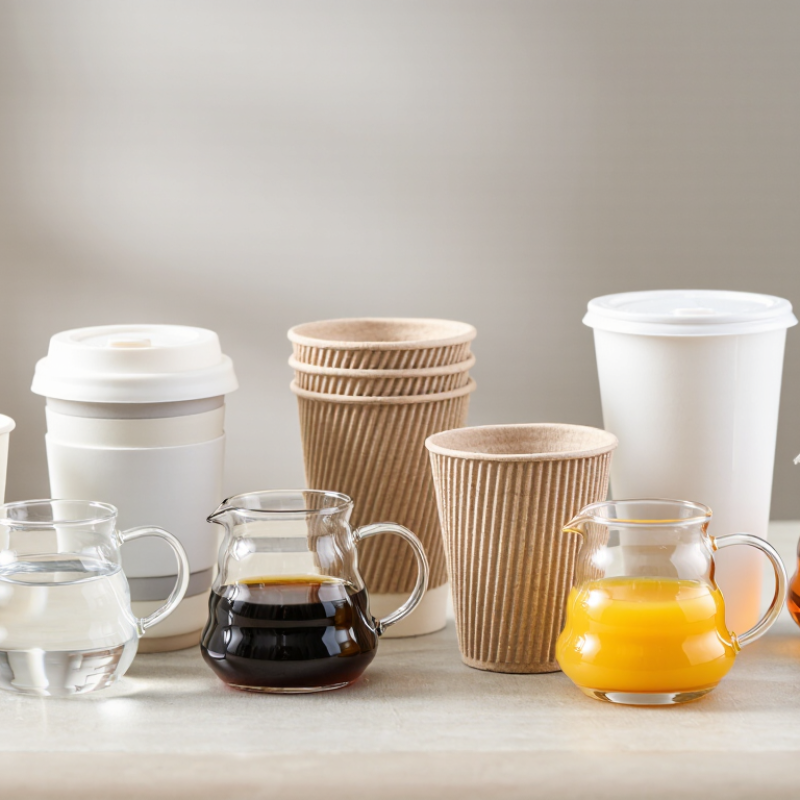
A paper cup type is defined by its function, construction, and material behavior. Appearance alone is not enough. Hot drink cups usually use insulated walls or an added sleeve. Cold drink cups need stronger moisture resistance and stable rims. Soup cups require deeper bodies and reliable heat protection. These differences affect comfort, safety, filling speed, and storage.
In 2026, buyers also examine the cup’s fiber source, barrier layer, lid fit, and recovery route. A water-based coating may support certain recycling systems, but local facilities still matter. Compostable materials can perform well in suitable conditions, yet they may not break down in ordinary environments. In my experience, small details matter. A weak rim can cause leaks. A narrow base can reduce stacking stability. Some claims also need closer checking.
What Are the 2026 Top Paper Cup Types?
Paper cups are classified by structure and use, not appearance alone. Single-wall cups suit short, lighter drinks. Double-wall cups add insulation without requiring a separate sleeve. Ripple-wall cups use a fluted outer layer for stronger heat protection. Cold-drink cups usually have moisture-resistant coatings and wider rims. Soup cups need thicker board and secure lids.
The 2026 market will likely favor practical combinations. Grand View Research reported that the global paper cups market was valued at about USD 13 billion in 2023, with continued growth expected through 2030. This trend reflects demand from cafés, offices, takeaway counters, and automated beverage stations. However, market estimates differ by report and definition. That matters. A cup counted as “paper” may still contain a plastic barrier. Structure should therefore be checked through specifications, not appearance.
Tips: Match the cup to temperature, filling time, and transport distance. Test the rim, seam, lid fit, and coating with the actual beverage. A thin single-wall cup may feel efficient, but it can become uncomfortable with very hot liquids. For chilled drinks, condensation can weaken grip and labels. Fiber-based barriers may reduce plastic content, yet disposal performance depends on local facilities. That part is often overlooked. Specification sheets should state board weight, coating type, leak resistance, and intended application.
| Paper Cup Type | Structural Classification | Typical Capacity | Common Barrier or Lining | Primary Use | Suitable Temperature | Lid Compatibility | Key Characteristics |
|---|---|---|---|---|---|---|---|
| Single-Wall Hot Cup | One paperboard wall formed into a tapered cup | 4–16 fl oz (120–475 ml) | Usually polyethylene or water-based dispersion coating | Coffee, tea, cocoa, and other hot beverages | Commonly used for beverages up to about 90°C (194°F), subject to the manufacturer’s specification | Flat, sip-through, and straw-slot lids | Lightweight and economical; the outer wall can become hot without a sleeve |
| Double-Wall Hot Cup | Two paper layers with an air gap or laminated outer layer | 8–16 fl oz (240–475 ml) | Polyethylene or water-based coating on the liquid-contact side | Takeaway coffee, tea, and premium hot drinks | Designed for hot beverages; exact limits depend on the cup construction | Most standard hot-cup lids in the matching rim diameter | Improved hand comfort and thermal insulation; usually eliminates the need for a separate sleeve |
| Ripple-Wall Cup | Outer corrugated or embossed paper layer attached to an inner cup wall | 8–16 fl oz (240–475 ml) | Liquid-resistant coating on the inner cup surface | Hot coffee and beverages requiring extra insulation | Suitable for standard hot-drink service within the stated product limits | Matching sip-through lids | Textured exterior improves grip and reduces heat transfer; uses more material than a single-wall cup |
| Cold Drink Paper Cup | Single-wall tapered cup with a moisture-resistant interior and exterior surface | 8–32 fl oz (240–950 ml) | Polyethylene, water-based, or other approved moisture barrier | Soft drinks, iced tea, juice, water, and cold coffee | Cold and chilled beverages; not normally intended for very hot liquids | Flat lids, straw-slot lids, and dome lids | Designed to resist condensation and leakage from cold beverages |
| Dome-Lid Dessert Cup | Rigid tapered paper cup with an expanded clear or paper dome lid | 6–16 fl oz (180–475 ml) | Moisture-resistant food-contact coating | Frozen yogurt, ice cream, fruit, toppings, and cold desserts | Chilled or frozen products | High-clearance dome lid, sometimes with a topping compartment | Provides headspace for toppings and whipped cream; lid and cup must have matching dimensions |
| Soup and Foodservice Cup | Wide-mouth paper container with a reinforced rim and stable base | 8–32 fl oz (240–950 ml) | Heat-resistant, grease-resistant, and moisture-resistant coating | Soup, noodles, porridge, salads, pasta, and side dishes | Hot or cold foods, depending on the certified product specification | Ventilated paper or plastic-compatible food lids | Wider opening supports spoon use; must be tested for heat, grease, and liquid resistance |
| Paper Portion Cup | Small single-wall container, often paired with a separate lid | 1–5 fl oz (30–150 ml) | Moisture- and grease-resistant food-contact barrier | Sauces, dressings, condiments, samples, and small servings | Usually used for ambient or chilled foods | Press-fit paper, coated paper, or compatible plastic lids | Compact and suitable for portion control; sealing performance depends on the lid design |
| Compostable Fiber Cup | Paperboard or molded-fiber cup with a fiber-based or compostable barrier | 4–16 fl oz (120–475 ml) | Water-based, dispersion, bio-based, or certified compostable coating | Hot and cold beverages where compostable serviceware is accepted | Depends on the barrier, fiber structure, and certification | Compatible compostable or conventional lids with the same rim size | End-of-life claims depend on recognized certification and the availability of suitable commercial composting facilities |
| Vending and Dispensing Cup | Uniform tapered cup manufactured for automatic stacking and dispensing | 4–12 fl oz (120–355 ml) | Liquid-resistant interior coating | Office dispensers, vending machines, water stations, and automated beverage equipment | Cold or hot beverages according to equipment and cup specifications | Usually dispensed without a lid; optional lids may be supplied separately | Requires consistent rim diameter, stackability, wall stiffness, and machine compatibility |
Note: Capacity ranges are common market ranges rather than fixed standards. Actual temperature limits, barrier performance, food-contact compliance, compostability, and lid fit should be verified against the specific product specification and applicable local regulations.
In 2026, foodservice demand is not led by one paper cup. It is shaped by heat, speed, leakage risk, and disposal systems. Single-wall cups remain practical for short coffee runs and indoor service. They use less material and stack efficiently. Yet their outer surface can become uncomfortable with very hot drinks. That weakness matters during busy breakfast periods.
Double-wall cups lead premium hot beverage service where hand comfort matters. They reduce the need for an extra sleeve and support takeaway orders lasting 20 to 40 minutes. Ripple-wall versions add air pockets and tactile grip. They work well in cafés, offices, and event counters. However, extra layers can increase material use and complicate recycling. Not always. The best choice depends on local collection capability, not packaging claims alone.
For cold applications, PE- or water-based barrier cups serve iced coffee, soda, and smoothies. A firm rim and reliable lid fit often matter more than decorative printing. In high-volume food courts, 12- to 24-ounce sizes balance portion control and customer expectations. Fiber-based barrier cups are gaining attention where composting infrastructure exists. Availability remains uneven. Field testing should include filled-cup stacking, condensation, lid removal, and three-hour holding time. Attractive samples can fail after repeated handling. Small failures become expensive at scale. Procurement teams should record temperature, leakage, and disposal results before changing a cup format.
Which paper cup formats lead foodservice applications?
Cold beverage cups and standard hot coffee cups serve the broadest everyday foodservice occasions because their common nominal sizes cover takeaway drinks, cafés, restaurants, and quick-service operations. Soup cups typically use leak-resistant or grease-resistant interiors, while espresso and dessert cups are designed for smaller portions. Capacities shown are representative foodservice sizes rather than market-share figures.
In 2026, paper cup selection will depend less on appearance and more on material performance. A 2024 Grand View Research estimate valued the global paper cup market at about USD 11.5 billion in 2023, with growth expected through 2030. Hot-drink cups remain important, but cold cups, double-wall cups, ripple-wall cups, and fiber-lid formats are gaining attention. Each type solves a different problem.
Material choice shapes the user experience. Virgin paperboard offers consistent strength and a smooth print surface. Recycled fiber can reduce resource demand, but its stiffness and moisture resistance may vary. Polyethylene coatings still provide reliable leak protection, while aqueous and bio-based coatings support different sustainability goals. The Smithers report “The Future of Sustainable Packaging to 2028” identifies material efficiency and end-of-life performance as major packaging development priorities. Compostable does not always mean compostable everywhere.
Small design details matter. A double-wall cup improves heat protection without requiring a separate sleeve. A rolled rim improves drinking comfort and reduces edge deformation. A tighter fiber structure helps prevent softening after twenty minutes of use. Performance still matters. However, some sustainability claims remain too broad. The same cup may perform differently across recycling or composting systems. A 2024 report from Research and Markets also highlights rising demand for recyclable and lower-impact foodservice packaging, but market forecasts differ by region and definition. That gap matters. Some 2026 cup designs may look greener while offering limited real-world improvement.
Choosing a paper cup starts with the drink, not the decoration. Single-wall cups suit short serving times and moderate temperatures. Double-wall cups provide better insulation for hot coffee. Ripple-wall cups add grip without requiring a separate sleeve. For chilled beverages, coated paper cups help resist moisture and softening. No cup wins every test.
Grand View Research estimates the global paper cups market at more than US$12 billion in 2023, with continued growth toward 2030. This expansion reflects demand from takeaway foodservice, offices, and events. Smithers’ paper packaging research also identifies barrier performance, fiber efficiency, and recyclability as key development priorities. These findings suggest that businesses should compare the full use cycle, not only the purchase price.
A practical choice depends on four details: drink temperature, holding time, lid fit, and disposal access. A busy café may prefer double-wall cups during winter but use lighter single-wall cups for brief orders. A catering operator may need stronger rims and reliable stacking. Compostable coatings can sound attractive, yet local processing capacity must be checked first. That part is often overlooked.
Tips: Test filled cups for 20 minutes. Check leakage, hand comfort, and lid stability. Measure actual waste, too. Supplier claims need verification through certificates and independent testing. Our own trial experience shows that the cheapest cup can create higher costs through spills, sleeves, and customer complaints.