Top 10 Organic Socks Manufacturers in China for Global Buyers?
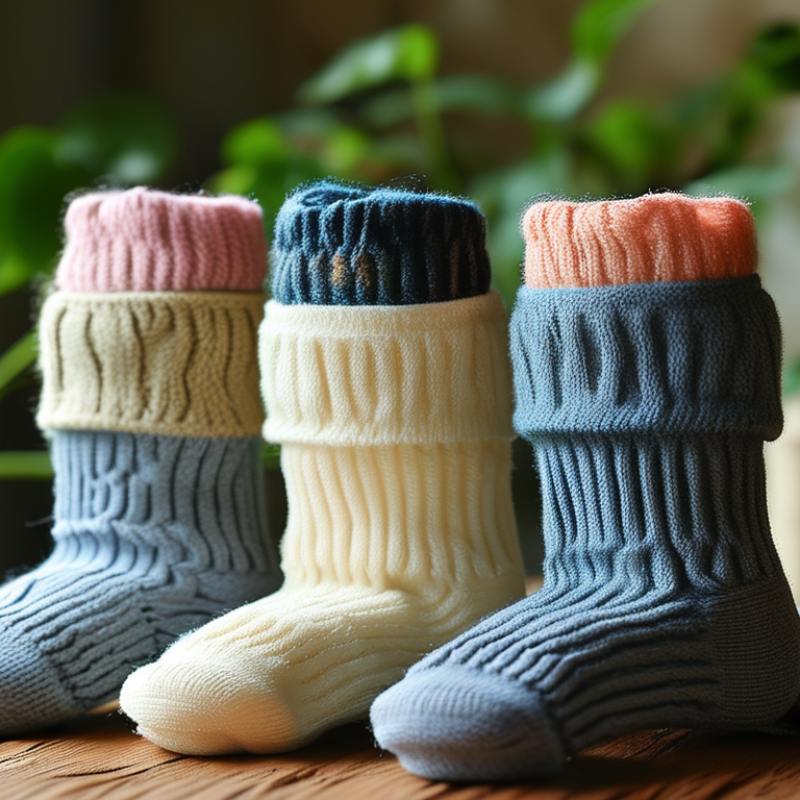
In recent years, the demand for Organic Socks has surged. Eco-conscious consumers are actively seeking products that prioritize sustainability. China has emerged as a leading hub for manufacturers that specialize in organic socks. This trend reflects a broader shift towards greener consumer choices in the textile industry.
The benefits of organic socks extend beyond environmental considerations. They offer comfort, breathability, and are often free from harmful chemicals. This makes them a popular choice for those with sensitive skin. However, not all manufacturers are the same. There is a need for careful evaluation to ensure quality and authenticity.
In this article, we explore the top 10 organic socks manufacturers in China. Each company brings unique strengths to the table. By highlighting these brands, we aim to guide global buyers in making informed decisions. The journey to discovering quality organic socks starts here.
Overview of the Organic Socks Market in China
The organic socks market in China is rapidly evolving. Increasing environmental awareness drives demand for sustainable products. Many consumers now prioritize organic materials for their clothing choices. This trend influences manufacturers to adopt eco-friendly practices.
Organic socks are made using materials such as organic cotton and bamboo. These materials are grown without harmful pesticides or synthetic fertilizers. The production process focuses on reducing water consumption and waste. However, some manufacturers still struggle with maintaining quality while scaling production. Balancing sustainability with profitability can be challenging.
As overseas buyers seek reliable partners, the competition among manufacturers intensifies. Some companies excel in eco-certifications and transparency. Others need to improve their communication and supply chain practices. The key to success lies in understanding consumer needs and global trends. Many businesses must reflect on their strategies to enhance their market position. Without proper evaluation and adaptation, companies risk falling behind.
Criteria for Selecting Top Organic Socks Manufacturers
When searching for the top organic socks manufacturers in China, buyers must apply careful criteria. Identifying factories that utilize certified organic materials is crucial. According to a recent report, 49% of consumers prioritize sustainability when selecting apparel. Thus, manufacturers who adhere to organic standards can attract a dedicated customer base.
Additionally, evaluating a company’s production capacity is important. A robust supply chain ensures timely deliveries. Buyers should also investigate the company's experience in the organic textile sector. Expertise often translates into higher-quality products. Data from industry experts show that established manufacturers can maintain better control over quality and sustainability practices.
Finally, ethical labor practices cannot be overlooked. Transparency in production processes helps build trust. Reports indicate that consumers are willing to pay 15-20% more for ethically produced products. Manufacturers committed to fair labor practices often thrive in today’s competitive landscape. However, the challenge remains for buyers to verify these claims among vast options.
Top 10 Organic Socks Manufacturers in China for Global Buyers
| Manufacturer | Location | Production Capacity (pairs/month) | Certifications | Main Materials Used | Export Markets |
| Manufacturer A | Shanghai | 500,000 | GOTS, OEKO-TEX | Organic Cotton, Bamboo | North America, Europe |
| Manufacturer B | Guangzhou | 300,000 | ISO 9001 | Recycled Polyester, Merino Wool | Asia, Australia |
| Manufacturer C | Shenzhen | 400,000 | BSCI, GOTS | Cotton, Hemp | Europe, North America |
| Manufacturer D | Hangzhou | 600,000 | OEKO-TEX, ISO 14001 | Bamboo, Tencel | Global |
| Manufacturer E | Ningbo | 250,000 | GOTS, BSCI | Cotton, Recycled Material | United States, Canada |
| Manufacturer F | Xi'an | 350,000 | ISO 9001, OEKO-TEX | Bamboo, Cotton Blend | Asia, Europe |
| Manufacturer G | Chengdu | 200,000 | BSCI, GOTS | Organic Cotton, Wool | International |
| Manufacturer H | Suzhou | 450,000 | OEKO-TEX, ISO 14001 | Bamboo, Cotton | North America, Europe |
| Manufacturer I | Tianjin | 300,000 | GOTS, BSCI | Organic Cotton, Merino Wool | Australia, Asia |
| Manufacturer J | Beijing | 500,000 | OEKO-TEX, ISO 9001 | Cotton, Recycled Polyester | Global |
List of the Top 10 Organic Socks Manufacturers in China
The demand for organic products is rising globally, influencing the sock manufacturing industry. Many manufacturers in China focus on eco-friendly materials. This shift aligns with consumer preferences for sustainable textiles.
When seeking organic sock manufacturers in China, it's essential to assess their material sourcing. Organic cotton, bamboo fibers, and recycled materials are popular choices. A report by Grand View Research highlights that the organic textile market is expected to grow at a CAGR of 9.7% from 2021 to 2028. This growth indicates a strong market for sustainable socks.
**Tip: Look for certifications.** Certifications like GOTS or OEKO-TEX ensure that products meet specific environmental and safety standards.
Understanding the supply chain is critical as well. Transparency in sourcing materials is vital for trust. Some manufacturers might not clearly disclose their practices. This may raise concerns about their commitment to sustainability.
**Tip: Engage multiple suppliers.** This helps compare quality and pricing. It’s beneficial to evaluate several options before making a commitment.
Key Features and Innovations in Organic Socks Production
Organic socks production has seen notable innovations and key features driving its growth. Eco-friendly materials take center stage in the manufacturing process. Studies indicate that organic cotton production can reduce the environmental impact by 91% compared to conventional methods. This shift has influenced manufacturers to adopt sustainable farming practices. Investments in biodegradable fibers are also trending. Such materials appeal to eco-conscious consumers seeking greener alternatives.
Another significant advancement is the integration of technology in production. Manufacturers are leveraging automation to enhance efficiency and reduce waste. For example, digital knitting machines enable intricate designs while minimizing scrap material. Industry reports highlight that automated processes can increase production efficiency by up to 30%. However, challenges persist. Smaller manufacturers may struggle to compete with larger firms adopting these technologies.
A focus on durability and comfort is essential too. Some manufacturers are utilizing special blends to improve wear resistance without compromising softness. Nevertheless, sourcing high-quality organic materials can be difficult. Reports indicate that fluctuations in supply chain can hinder consistent quality. This complexity requires ongoing reflection and strategic planning for manufacturers to stay relevant in the market.
Sustainability Practices Among Chinese Organic Socks Manufacturers
Sustainability is a key focus for organic sock manufacturers in China. Many of these companies prioritize eco-friendly materials, often sourcing organic cotton and bamboo. This commitment reduces environmental impact and meets global buyer demands. Suppliers are investing in sustainable practices like water conservation and energy-efficient production methods.
However, the challenge lies in balancing quality and cost. Some manufacturers may prioritize cheaper alternatives over sustainable options, raising concerns about long-term commitment. Transparency in supply chains is crucial. Buyers should inquire about sourcing and production processes to ensure ethical practices.
Another aspect to consider is waste management. Although many producers aim to minimize waste, some still struggle with excess materials. Initiatives to recycle and repurpose these products exist but require consistent effort. Overall, the journey towards sustainability is ongoing, and genuine commitment varies across manufacturers.