Top Cotton Tote Bags for Wholesale Buyers in 2026
In 2026, choosing Cotton Tote Bags for wholesale is a sourcing decision, not just a color choice. Buyers must compare fabric weight, handle construction, print area, minimum order quantities, and delivery timelines. A tote that looks sturdy on a sample table may feel different when filled with books or groceries. Ask for a production sample.
The scale of textile sourcing matters. Textile Exchange’s Materials Market Report 2024 estimates that global fiber production reached 124 million tonnes in 2023. That figure covers many fiber types, not cotton totes specifically. It does, however, show why buyers should request clear material specifications instead of relying on broad sustainability language. Check whether the stated fabric weight, cotton composition, stitching, and color match the purchase order.
Design also deserves scrutiny. Sustainable-design expert William McDonough has said, “Design is the first signal of human intention.” This is a general design principle, not a tote-specific endorsement. Still, it offers a useful prompt: will the bag be comfortable, practical, and used repeatedly? Inspect the seams. Test the handles. Ask suppliers for documented specifications and, where available, traceability details. Small differences matter.
Some trade-offs are easy to miss. Heavier fabric can improve structure, but it may raise shipping weight and cost. A large printed logo can attract attention, yet leave less room for everyday use. No single specification guarantees a better product. The right choice depends on the buyer’s customer, budget, and intended use. This guide compares leading wholesale options for Cotton Tote Bags in 2026, with practical criteria for evaluating quality, customization, and supplier reliability.
Understanding the 2026 Wholesale Cotton Tote Bag Market
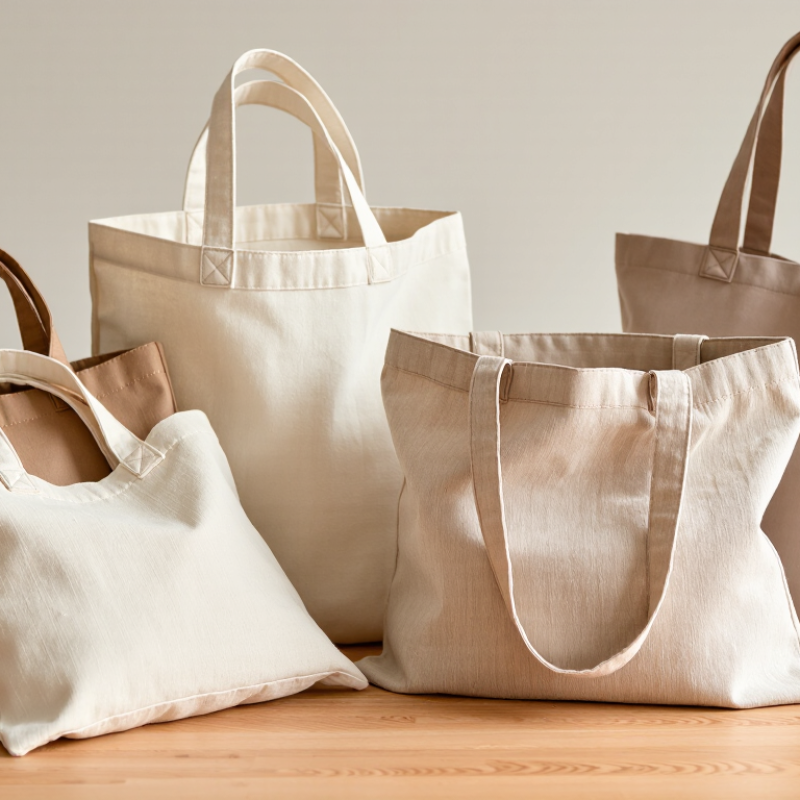
Wholesale cotton tote buying in 2026 is shaped by material costs, traceability, and practical performance—not just print trends. The Textile Exchange Materials Market Report 2024 estimates that global fiber production reached 124 million tonnes in 2023, with polyester accounting for about 57%. This is not a tote-bag sales forecast. It does show the scale of competition for fiber and why cotton sourcing details deserve scrutiny. Compare fabric weight, weave, and fiber content, and ask suppliers to support material claims with documentation. Request a physical sample.
On a buying sheet, specify bag dimensions, handle drop, reinforced stitching, color tolerance, packing method, and acceptable defect rate. These details help factories provide comparable quotes and reduce surprises when bulk cartons arrive. A 10-ounce canvas may feel reassuring, yet its added weight can raise freight costs; it does not automatically mean longer service life. There is a trade-off. Check load capacity and colorfastness where relevant, then confirm sampling, production lead time, and inspection terms in writing. Small print variations can matter. If the first sample feels wrong, allow time for another.
| Tote Style | Representative Size (W × H × Gusset) | Fabric Weight | Handle Specification | Typical Wholesale Use | Buyer Checks |
|---|---|---|---|---|---|
| Lightweight flat tote | 14 × 16 × 0 in (35.6 × 40.6 × 0 cm) | 4–6 oz/yd² (about 136–203 g/m²) | Approx. 22–24 in (56–61 cm) handle length | Giveaways, conferences, lightweight printed merchandise | Confirm fabric opacity, seam reinforcement, print area, and whether the intended contents suit a flat-bottom design. |
| Everyday gusseted tote | 15 × 16 × 3 in (38.1 × 40.6 × 7.6 cm) | 6–8 oz/yd² (about 203–271 g/m²) | Approx. 22–24 in (56–61 cm) handle length | Retail checkout, event kits, reusable shopping | Check the finished gusset, handle stitching, wash-care guidance, and sample dimensions before approving production. |
| Heavyweight canvas tote | 15 × 16 × 4 in (38.1 × 40.6 × 10.2 cm) | 10–12 oz/yd² (about 339–407 g/m²) | Approx. 24–26 in (61–66 cm) handle length | Premium retail, bookshops, durable promotional merchandise | Request a pre-production sample and verify handle attachment, seam construction, and finished-bag weight. |
| Small event tote | 10 × 12 × 3 in (25.4 × 30.5 × 7.6 cm) | 4–6 oz/yd² (about 136–203 g/m²) | Approx. 18–22 in (46–56 cm) handle length | Welcome packs, small retail items, compact event materials | Check that the opening and handle drop fit the intended items and carrying style. |
| Long-handle shoulder tote | 15 × 16 × 3 in (38.1 × 40.6 × 7.6 cm) | 6–10 oz/yd² (about 203–339 g/m²) | Approx. 26–30 in (66–76 cm) handle length | Shopping, campus merchandise, hands-free everyday use | Measure the handle drop on the finished sample; handle length alone does not determine shoulder fit. |
| Organic-cotton tote | Common options include 14 × 16 in or 15 × 16 × 3 in | Varies by construction; commonly specified by fabric weight in oz/yd² or g/m² | Specify handle length and drop to match the selected bag size | Promotional and retail programs with documented material requirements | Request current certification documentation and confirm that it covers the material and product claim being made. |
| Printed promotional tote | Often based on a flat or gusseted standard size | Choose weight according to intended use and print method | Specify handle width, length, and attachment method | Campaigns, conferences, retail promotions, branded event kits | Approve artwork size, ink or transfer method, color matching, placement, and a production sample before bulk ordering. |
Related Posts
-

How to Choose the Best Promotional Bags for Your Brand Strategy
-
What are the Benefits of Using Large Bags for Storage and Transport
-

Your Ultimate Guide to Sourcing High-Quality Promotional Reusable Bags: Trends and Insights for Global Buyers
-
How to Choose Personalised Bags for Your Business?
-
Creative Ways to Use Jute Sacks for Sustainable Living
-

China Manufacturing Leading the Charge for Best Promotional Bags with Unmatched Quality