What Are the Top Cake Modeling Gummy Candy Types in 2026?
Cake Modeling Gummy Candy is moving beyond simple novelty shapes in 2026. Bakers now use it for tiny flowers, smooth figurines, bold lettering, and glossy cake toppers. Each type behaves differently. Some stretch like soft taffy. Others hold crisp edges but can crack when bent. The right choice depends on the design, room temperature, and how long the decoration must stay in place.
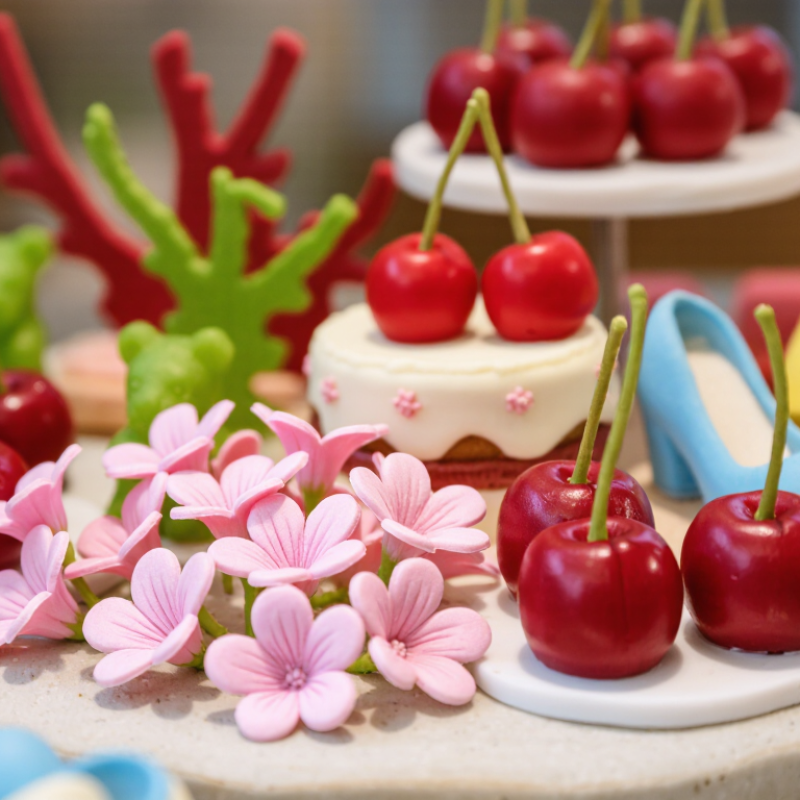
Texture matters. A soft gummy can form a rounded bear or a plump cherry, but delicate petals may sag. A firmer modeling candy can keep a sharp bow or a miniature shoe intact. Color matters, too. Deep red may look striking under bakery lights, while pale pink can reveal fingerprints. Small details count. A clean seam. A matte surface. A face that stays upright.
For a reliable expert quotation, this introduction needs a verified source before publication. A suitable quote might address workability, structure, or storage, but it should not be invented or assigned to an unverified person. [Insert a sourced quotation from a named confectionery expert here.] That caution matters: product formulas vary, and results can change with humidity, handling, and recipe. This guide compares the leading Cake Modeling Gummy Candy types by flexibility, detail, finish, and practical use. Some may suit a quick cupcake topper. Others are better for a centerpiece. The best pick is not always the prettiest one in the package.
What Cake Modeling Gummy Candies Are and How They Differ
Cake modeling gummy candies are edible, shapeable sweets designed to hold small decorative forms on cakes. They differ from ordinary gummies, which are made mainly for chewing and often spring back when pressed. Modeling versions tend to feel firmer and less sticky, so fingers can pinch petals, leaves, or tiny bows without flattening them immediately. Some use gelatin for an elastic bite; pectin-based types can feel shorter and less stretchy. Starch and moisture levels also affect whether a piece keeps a clean edge or slowly slumps. Not every gummy can be modeled.
For practical comparison, check flexibility, surface tack, and shape retention at room temperature. A useful test is to roll a small piece into a thin strand; if it cracks, it may be too firm, while excessive sticking can blur fine details. Cake decorators should also consider taste: a beautifully shaped flower is less successful if it tastes unusually waxy or sour. The National Confectioners Association’s 2024 State of Treating report found that 86% of U.S. consumers agreed candy can fit into a balanced lifestyle; that broad finding covers candy generally, not modeling gummies specifically. That distinction matters. This niche still lacks widely published, product-level data, so hands-on texture checks remain important.
Top Cake Modeling Gummy Candy Types in 2026
Top Cake Modeling Gummy Candy Types in 2026
Firm gelatin gummies remain useful for cake toppers that need to hold a clear shape. Their springy texture suits small flowers, bows, and simple animal figures. Warm them briefly in your hands, then press gently; too much heat makes details slump. Small pieces work best.
Pectin gummies offer a softer bite and often feel less elastic. They suit flat leaves, petals, and accents placed around a cake’s edge. Their surfaces can become tacky in humid rooms, so add them shortly before serving. Starch-molded gummies usually have crisp outlines and consistent sizes, making them handy for repeated decorations. Check firmness before shaping.
Aerated gummies bring a lighter, foamy texture. Use them for clouds, soft borders, or playful cake scenes, rather than fine details. Some may tear when pinched. That part is easy to underestimate. For any type, test one piece against the frosting first: moisture can soften candy or cause colors to transfer. Keep decorations cool and dry, and avoid placing them directly on wet cream for long periods. A slightly uneven handmade shape can look charming, though I would still check that each piece sits securely.
How to read this chart: Scores are a practical 1–5 suitability rating based on shape, flexibility, and ease of placement—not laboratory measurements. Gummy bears and fruit-shaped gummies are versatile decorations; long, flexible gummy worms work well for curved details.
How Different Gummy Types Work in Cake Decorations
How Different Gummy Types Work in Cake Decorations
Gummy candy adds color, shine, and a chewy contrast to cake. Its texture determines how well it decorates. Gelatin gummies bend easily, so bears and worms can curve around piped borders. Pectin gummies usually feel firmer and hold crisp shapes, making fruit slices useful for neat panels or flower-like accents. Sour belts create flexible ribbons, but their loose sugar can soften when it touches moist frosting. Keep them dry until assembly. Small details matter.
The National Confectioners Association’s 2024 State of Treating report put U.S. confectionery sales at about $48.6 billion in 2023 and projected $61.2 billion by 2028. That broad category includes more than gummies; it signals a sizable confectionery market, not proof that every decoration works on cake. In practice, apply gummies shortly before serving, especially on cream-rich frosting. A thin buttercream layer can help limit direct contact with moisture. Large gummies may slide on soft icing, so use smaller pieces or place them on a firm frosting mound. Test one piece first. Some colors still bleed, and results vary with the recipe and room temperature.
How to Choose and Handle Gummies for Cake Designs
What Are the Top Cake Modeling Gummy Candy Types in 2026?
How to Choose and Handle Gummies for Cake Designs
Gummy bears, rings, fruit slices, and worms each bring a different shape and texture to cake designs. Choose pieces that suit the scale of your decorations: small bears work well around borders, while flat fruit slices can form bright, layered patterns. Check that candies are fresh and pliable, not tacky or dried out. Soft gummies may bend neatly, but they can also slump in a warm room.
Before decorating, pat gummies dry if their surfaces feel damp. Press them gently into firm frosting, or use a small dab of frosting as an edible anchor. For tall or delicate designs, place the candy shortly before serving; prolonged contact with moist frosting can make colors bleed or surfaces sticky. Keep finished cakes cool, but avoid freezing gummies, which can change their texture. I still find that one test piece can reveal problems a full layout will hide.
Tips: Sort gummies by color and size before arranging them. Cut larger pieces with clean, lightly oiled scissors, and wipe the blades between cuts. Try the layout on parchment first. That small step saves time, though I sometimes skip it and have to rearrange everything.