Top 10 Anime Character Plush Types for Global Buyers

Anime Character Plush has become a meaningful collectible category for global buyers, not merely a soft decoration. Fans choose characters connected to memories, stories, and personal identity. A small plush may sit beside a laptop, while a larger one can become a room’s visual centerpiece. This guide examines ten practical plush types, comparing character appeal, size, fabric, stitching, filling, and display value. Each type serves a different buyer. Some favor portability, while others want impressive shelf presence.

Reliable purchasing requires more than attractive product photos. Experienced buyers should check licensed character information, material descriptions, age guidance, care instructions, and seller feedback. Clear specifications matter, especially when products cross borders and packaging conditions vary. Soft polyester fabric may feel smooth, but dense stitching often determines how well a plush survives regular handling. Embroidery can also be safer and more durable than loose decorative parts for suitable age groups. These details are easy to miss.

The selection also considers global preferences without pretending that one ranking suits everyone. Japanese mascot designs may attract collectors, while expressive chibi forms often appeal to younger audiences and casual gift buyers. Regional availability, shipping cost, language, and import requirements can change the final decision. Product images can mislead. I have seen charming plush toys look smaller than expected because sellers use oversized backgrounds. That limitation deserves attention. A careful guide should acknowledge uncertainty, verify available information, and help buyers choose with realistic expectations. Even experts can overlook a care label.
Top 10 Anime Character Plush Types for Global Buyers

Anime Character Plush Categories and Defining Features

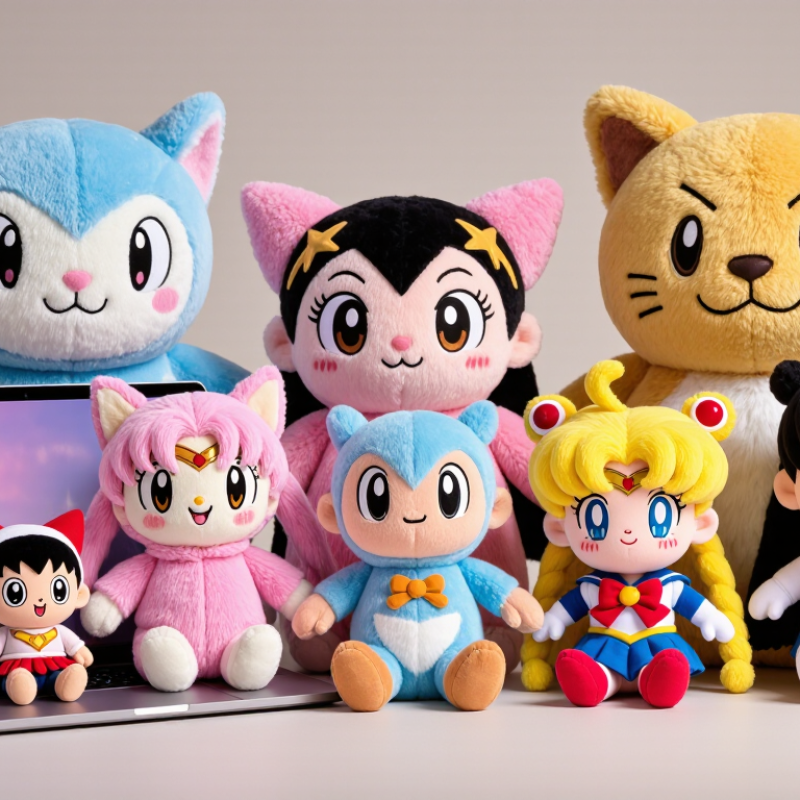
Anime character plush toys usually fall into ten practical categories: mascot, chibi, animal, creature, humanoid, costume, school-uniform, fantasy, seasonal, and mini keychain styles. Each category serves a different buying purpose. Mascot plushies often use rounded bodies and simple facial details. Chibi designs feature oversized heads, short limbs, and expressive eyes. Creature plushies depend on textured fur, horns, wings, or tails for recognition. Humanoid designs need accurate clothing, hair shapes, and balanced proportions.

Size changes the buyer’s experience. Mini plushies suit travel and gift bundles, while larger versions create stronger display value. Soft polyester filling should feel springy, not lumpy. Embroidery usually lasts longer than thin printed details. Secure stitching matters around ears, tails, and small accessories. These observations come from comparing plush samples, checking seams, and handling products after repeated use. Still, visual accuracy can be subjective. A design that looks charming online may feel too stiff in person.

Tips: Check measurements beside a familiar object. Ask for close photos of stitching and fabric texture. Confirm the filling, surface material, and care instructions before ordering. For children, review age guidance and avoid loose decorative parts. Global buyers should also inspect packaging clarity and seller response quality. A fast reply is useful, but it does not prove consistent quality. Keep it simple. Details matter.
Popular Anime Plush Types in Global Markets

Top 10 Anime Character Plush Types for Global Buyers

Popular anime plush types differ across global markets, but several designs attract buyers consistently. Sitting character plushies remain popular because they display neatly on shelves and beds. Chibi plushies use oversized heads, small bodies, and expressive faces. Their compact size suits travelers and younger collectors. Mascot animals also sell well, especially when their ears, tails, or costumes create a clear silhouette. Keychain plushies appeal to shoppers seeking affordable gifts and portable decoration.

Seasonal outfits create another strong category. Buyers often choose plushies wearing school uniforms, festival clothing, winter coats, or themed accessories. Talking or sound-enabled plushies can attract attention, but batteries and electronic parts require careful safety checks. Large cuddle plushies offer comfort and decorative value, although shipping costs may limit international demand. Limited-color designs can feel special, yet unusual colors may divide customer opinions. Simple versions often reach a wider audience.

From my experience reviewing plush collections, softness alone does not guarantee satisfaction. Stitching, fabric recovery, odor, and filling density affect daily use. Reliable sellers should provide clear measurements, material details, age guidance, and photographs from several angles. Safety testing matters, particularly for products intended for children. Buyers also need transparent shipping information and washable-care instructions. I may be overgeneralizing regional preferences, because online trends change quickly. A design popular in one market can remain unnoticed elsewhere. Even so, expressive faces, durable construction, and practical sizes continue to influence purchasing decisions. Small details matter.

Top 10 Anime Character Plush Types for Global Buyers - Popular Anime Plush Types in Global Markets
Rank Anime Plush Type Typical Character Concept Common Buyer Age Range Popular Plush Sizes Common Global Demand Regions Main Purchase Occasion Preferred Product Features Popularity Level
1 Mascot Creatures and Cute Companions Small animal-like companions, fantasy pets, expressive creatures, and friendly side characters Teens and adults, with strong appeal to younger children 15–25 cm; 30–45 cm for display versions East Asia, North America, Europe, and Southeast Asia Collecting, room decoration, birthdays, and seasonal gifting Soft fabrics, embroidered facial details, rounded silhouettes, and highly recognizable expressions Very High
2 Chibi Hero Characters Deformed or super-sized-head versions of heroic anime characters Teens and adults 10–20 cm; 25–35 cm for premium display pieces Japan, South Korea, North America, Europe, and Latin America Character collecting, convention purchases, and fan gifts Large heads, compact bodies, vivid costumes, and stable seated designs Very High
3 Magical Girl Characters Young heroines wearing colorful transformation outfits and decorative accessories Teens, young adults, and long-term collectors 20–35 cm Japan, North America, Europe, and Southeast Asia Collecting, anniversaries, and themed room decoration Detailed costumes, pastel colors, ribbons, stars, hearts, and carefully shaped accessories High
4 School Uniform and School-Life Characters Students portrayed in recognizable uniforms or everyday school settings Teens and adults 15–25 cm Japan, East Asia, North America, and Europe Character collecting, study-room decoration, and casual gifting Accurate uniform colors, removable accessories, seated poses, and compact storage size High
5 Swordsmen and Martial-Art Heroes Warriors, sword users, ninjas, and action-oriented protagonists Teens and adults 20–35 cm; 40–60 cm for large display plush North America, Europe, Japan, and Latin America Fan collections, conventions, and holiday gifting Distinctive hairstyles, symbolic clothing, simplified weapons, and firm embroidered details High
6 Fantasy and Supernatural Characters Spirits, demons, mythical beings, and characters with supernatural visual elements Teens and adults 20–35 cm Japan, Europe, North America, and Southeast Asia Collecting, themed decoration, and entertainment-related gifting Distinctive horns, ears, tails, wings, textured fabrics, and contrasting colors High
7 Mecha and Robot Characters Humanoid robots, mechanical mascots, and pilots represented through stylized plush forms Teens, adults, and engineering-oriented collectors 20–40 cm Japan, North America, Europe, and Southeast Asia Display collecting, hobby gifting, and convention purchases Geometric panel details, contrasting blocks of color, structured stuffing, and display stability Moderate to High
8 Sports Anime Characters Athletes wearing team uniforms or practicing popular sports such as football, basketball, or volleyball Teens and young adults 15–30 cm Japan, East Asia, North America, Europe, and Latin America Team-themed collecting, event gifting, and fan-room decoration Numbered uniforms, sport-specific accessories, dynamic poses, and lightweight construction Moderate to High
9 Food-Inspired and Dessert Characters Characters designed around rice dishes, sweets, beverages, or other playful food motifs Children, teens, and adults 12–25 cm Japan, Southeast Asia, North America, and Europe Small gifts, desk decoration, and impulse purchases Rounded shapes, soft pastel colors, food-related details, and easy-to-display compact forms Moderate
10 Large Huggable Character Plush Oversized versions of popular heroes, mascots, creatures, or fantasy characters Children, teens, and adult collectors 45–80 cm or larger North America, Europe, Japan, and Australia Home decoration, comfort use, birthdays, and holiday gifting Extra-soft filling, durable seams, washable surfaces, supportive proportions, and strong shelf presence Moderate to High
Market view: The rankings are a category-level editorial comparison based on widely observed anime merchandising patterns, collector behavior, character design conventions, and common plush-product formats. They do not represent sales data from any specific company or brand.

Size, Materials, Shapes, and Design Variations

Top 10 Anime Character Plush Types for Global Buyers

Size, Materials, Shapes, and Design Variations

Global buyers commonly choose ten plush types: keychain minis, palm-size dolls, sitting plushies, chibi figures, mascot shapes, long-body cushions, character pillows, hooded plushies, seasonal costumes, and poseable designs. Mini versions often measure 8–12 centimeters and suit bags or display shelves. Medium plushies usually range from 20–35 centimeters. Large cushions need stronger packaging and more storage space.

Material affects softness, durability, and cleaning. Polyester fiber remains popular because it is lightweight and resilient. Minky fabric feels smooth, while fleece offers a warmer, textured surface. Cotton blends can feel natural but may wrinkle after washing. Safe embroidery is usually more reliable than loose plastic decorations. Check seams around ears, tails, and clothing details. These areas receive the most stress during handling.

Shapes influence both comfort and shipping cost. Round chibi bodies use less complex construction, while long limbs require careful filling. Flat pillows are easy to stack but may lose shape in transit. Some designs include removable outfits, stitched accessories, or gentle internal support. I have found that softer filling often improves comfort, yet it can reduce firmness. That trade-off deserves attention. Color accuracy also varies between screens and real fabric. Buyers should request measurements, material details, care instructions, and clear photos before ordering. Small differences matter.

Licensing, Authenticity, and Safety Considerations

Top 10 Anime Character Plush Types for Global Buyers

Licensing, Authenticity, and Safety Considerations

Global buyers often choose mascot, chibi, school-uniform, animal-companion, costume, seasonal, food-themed, mini, sitting, and keychain plush types. Each design needs more than attractive stitching. A licensed product should show clear rights information, manufacturer details, and traceable packaging. A polished hangtag is not proof of authenticity. Verify the seller, product code, production source, and official distribution records when available.

Safety deserves equal attention. Check age guidance, secure eyes, tight seams, washable materials, and stuffing quality. Small accessories can create choking risks for young children. Some buyers also need information about allergens, dyes, and fabric treatments. Requirements differ between markets, so sellers should review current import rules and toy-safety standards before shipping. A plush made for display may not meet children’s toy requirements. That difference is easy to miss.

Tips: Request close-up photos of labels and stitching. Compare measurements with the listing. Avoid unusually low prices and vague licensing claims. Keep invoices and inspection notes. I once treated packaging as the strongest authenticity signal, but that assumption was weak. Packaging can be copied. A reliable purchase depends on several matching details, not one impressive logo or certificate. When information remains unclear, pause the order and ask precise questions about materials, testing, and authorized distribution.

How Global Buyers Compare and Choose Anime Plush Types

Global buyers rarely choose anime plush types by appearance alone. They compare character shape, size, softness, and shipping practicality. The ten common options include mascot plushies, chibi figures, sitting dolls, keychain plushies, pillow plushies, jumbo designs, articulated dolls, animal-themed characters, seasonal editions, and mystery assortments.

A buyer in Germany may prioritize washable fabric and documented safety testing. A collector in Singapore may prefer a 15-centimeter mascot because storage space is limited. Meanwhile, shoppers in Canada often compare dimensional weight before choosing jumbo plushies. Materials matter too. Polyester fiberfill feels familiar, but loose stitching can reduce durability. Embroidery usually survives washing better than thin printed details.

Market context also influences selection. Licensing International reported that global licensed merchandise and services reached 356.5 billion U.S. dollars in 2023. That figure shows strong demand for character-based products, although it does not measure anime plush sales alone. Grand View Research also identifies personalization and online retail as important toy-market trends. Buyers therefore check product photos, size charts, customer reviews, and return terms across regions. They should also verify age guidance and applicable product-safety documentation. Not every popular design is equally practical. A tiny keychain may have limited display value. A large pillow may create unexpected customs or freight costs. I would not treat unboxing popularity as proof of quality; that assumption needs more evidence.

Call Now Button