Global buyers are reassessing promotional merchandise. Plastic-heavy giveaways now face greater scrutiny from procurement teams, retailers, and consumers. Promotional Jute Bags offer a practical alternative, but material choice alone does not prove sustainability.
Grand View Research valued the global sustainable packaging market at approximately USD 96.6 billion in 2022. It expects the market to expand at a 7.7% compound annual growth rate through 2030. The Food and Agriculture Organization also recognizes jute as a major natural fibre, especially across South Asia. Meanwhile, UNEP reports that 19–23 million tonnes of plastic waste enter aquatic ecosystems annually. These figures explain the growing interest in reusable fibre packaging.
Still, the details matter.
Circular-economy authority Ellen MacArthur states, “A circular economy is based on the principles of designing out waste and pollution, keeping products and materials in use, and regenerating natural systems.” That principle should guide every buying decision. A jute tote with weak stitching, excessive lamination, or unclear sourcing may create disappointing results. It may also complicate end-of-life handling.
This Top 10 guide evaluates Promotional Jute Bags through a buyer’s lens. It considers fabric weight, handle strength, print durability, dimensions, customization, packaging, and supplier transparency. Certifications can support credibility, but they require verification. “Natural” is not automatically responsible. That deserves reflection.
The selected bags suit exhibitions, retail campaigns, conferences, hospitality, and corporate gifting. Each option should balance appearance, repeat use, shipping efficiency, and realistic environmental claims. Performance comes first. Ethical sourcing remains essential.
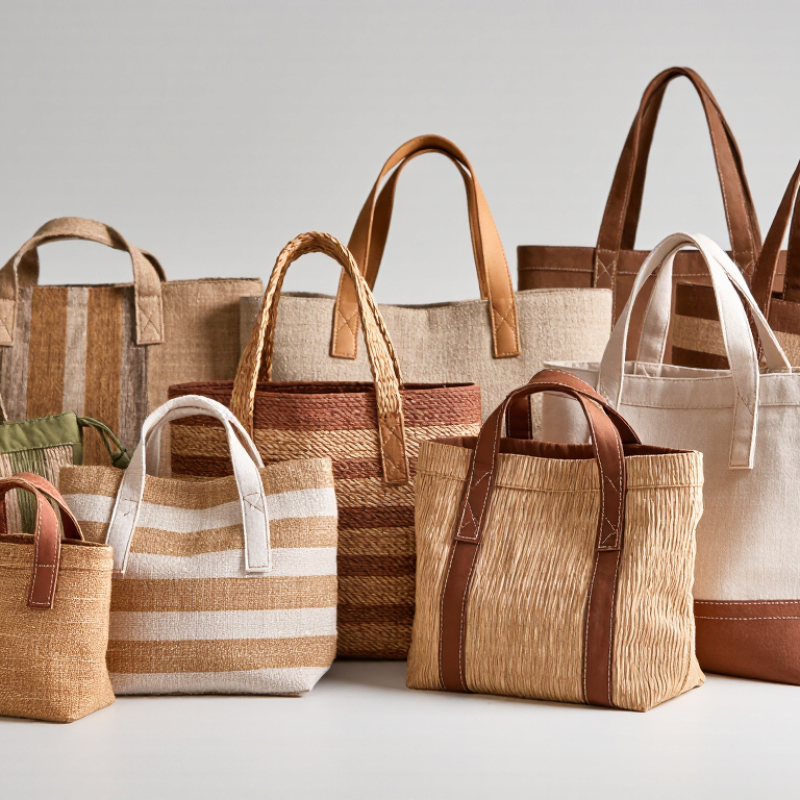
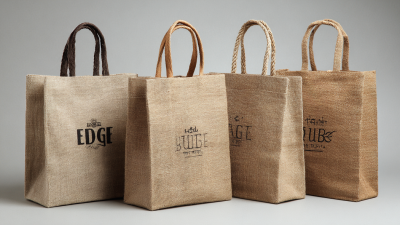
Promotional jute bags offer global buyers more than a visible logo. Their coarse weave feels natural, while strong handles support groceries, books, and event materials. Many buyers value this practical lifespan because the bag can return to daily use after a campaign ends. It stays useful.
From my sourcing experience, quality depends on details that photographs often hide. Check fabric weight, handle stitching, seam strength, and print clarity before approving bulk production. A bag with uneven handles can damage customer trust quickly. Ask suppliers for test samples and accurate measurements. Moisture protection also matters during ocean transport, especially in humid routes.
Jute is a renewable plant fiber, but “eco-friendly” should not become a careless promise. Lamination, synthetic thread, heavy dyes, and long-distance shipping can reduce its environmental advantage. Buyers should request material details, production records, and relevant compliance documents for their destination markets. Some natural fibers may also carry a noticeable smell or slight color variation. That is not always a defect, yet it needs clear communication. A reliable supplier explains limitations instead of hiding them, helping buyers choose suitable designs, packaging, and quantities.
Promotional jute bags are valued for their natural appearance, reusability, biodegradability, and suitability for practical everyday use. The chart presents a comparative buyer-value index based on commonly requested product attributes in international promotional packaging.
Index scale: 0–100, where a higher score indicates greater practical value for promotional buyers. Scores are comparative and reflect product characteristics rather than any company or brand performance.
Top 10 Promotional Jute Bags for Global Buyers
Key Types of Promotional Jute Bags and Their Typical Uses
Promotional jute bags now serve more than simple shopping needs. A 2024 market report by Grand View Research identifies sustainability as a major demand driver in natural-fiber packaging. Buyer experience supports this shift, especially at trade fairs and outdoor events. The classic jute tote suits supermarkets, conferences, and employee welcome kits. A laminated tote handles heavier groceries and printed campaign materials. Drawstring pouches fit small gifts, samples, and travel accessories. Bottle carriers protect single containers during events. They also create strong shelf visibility.
Other useful formats include lunch bags, beach bags, document folders, gift bags, produce sacks, and plant-pot covers. Lunch bags suit office campaigns and school programs. Beach bags work well for resorts, tourism events, and summer promotions. Document folders help consultants present brochures neatly. Gift bags add texture to seasonal packaging. Produce sacks support farmers’ markets and food education projects. Plant-pot covers create memorable workplace gifts. Some buyers still underestimate handle strength. That mistake can damage the campaign.
The Promotional Products Association International reported that reusable bags remain among the most frequently retained promotional items in its consumer research. Retention, however, depends on practical design, not only a printed logo. Buyers should check fabric weight, stitching, moisture resistance, print durability, and carton compression. Jute can shed fibers. It may also smell earthy after shipping. These details need testing. Smaller artwork often performs better on rough fabric, although this is not universal. Expectations should remain realistic.
| No. | Promotional Jute Bag Type | Typical Construction | Common Promotional Uses | Typical Size Range | Approx. Practical Load* | Suitable Decoration | Best-Fit Buyer or Event |
|---|---|---|---|---|---|---|---|
| 1 | Standard Jute Tote Bag | Laminated or unlaminated jute body with two cotton or jute webbing handles | Retail shopping, conferences, trade shows, community campaigns and everyday reuse | 30–45 × 35–45 cm | 5–10 kg | Screen printing, heat-transfer labels and sewn patches | General promotional programs requiring a versatile reusable carrier |
| 2 | Jute Grocery Bag | Roomy rectangular body, reinforced base and long shoulder handles | Supermarket promotions, farmers' markets, food festivals and sustainable retail campaigns | 35–45 × 40–50 cm | 7–12 kg | One- or two-color screen printing and woven labels | Food retailers, local markets and environmental awareness events |
| 3 | Jute Wine or Bottle Bag | Narrow gusseted format with a reinforced handle and optional divider | Bottle gifting, winery promotions, hospitality events and holiday packaging | 12–18 × 35–40 cm | 1–3 kg | Screen printing, paper hangtags and fabric labels | Beverage distributors, gift programs and hospitality buyers |
| 4 | Jute Drawstring Pouch | Small unlined or cotton-lined pouch with a braided jute or cotton cord | Product sampling, wedding favors, promotional kits, jewelry and small accessories | 10–25 × 12–30 cm | 0.5–2 kg | Screen printing, rubber stamps, tags and embroidery on suitable fabric panels | Cosmetics, artisan products, event favors and sampling campaigns |
| 5 | Jute Gift Bag with Window | Jute outer layer with a transparent front window and structured base | Premium gift presentation, seasonal hampers, confectionery and handmade goods | 20–30 × 25–35 cm | 1–4 kg | Printed front panels, hangtags and decorative labels | Gift suppliers, food producers and seasonal promotional campaigns |
| 6 | Jute Bottle Carrier | Multi-compartment carrier with internal dividers and reinforced side panels | Transporting several bottles, corporate gifting and tasting events | 18–30 × 25–35 cm | 4–8 kg | Screen printing on side panels and sewn identification labels | Hospitality groups, beverage events and gift-set distributors |
| 7 | Jute Conference Bag | Medium-to-large gusseted bag with long handles and optional inner pocket | Conferences, seminars, training sessions, document distribution and educational events | 32–42 × 38–48 cm | 4–8 kg | Screen printing, digital transfers on fabric panels and badges | Event organizers, schools, associations and professional gatherings |
| 8 | Jute Beach or Resort Bag | Wide open top, broad base and long shoulder handles; often cotton-lined | Resort welcome kits, travel promotions, beach retail and summer campaigns | 38–50 × 35–45 cm | 4–8 kg | Screen printing, appliqué, woven labels and decorative stitching | Travel, tourism, leisure and hospitality promotions |
| 9 | Jute Lunch or Tiffin Bag | Compact insulated or cotton-lined body with a zipper, flap or snap closure | Employee wellness programs, school campaigns, meal delivery and workplace gifts | 18–28 × 22–32 cm | 1–3 kg | Small screen-printed logos, labels and simple woven badges | Employers, schools, meal programs and health-focused events |
| 10 | Jute Produce or Farm Tote | Heavy-weave jute with a flat or gusseted base and reinforced handles | Agricultural fairs, organic produce promotions, farm shops and food subscription programs | 30–45 × 35–45 cm | 6–12 kg | One- or two-color printing, sewn labels and natural-dye accents | Farm retailers, food cooperatives and sustainability-led campaigns |
*Practical load figures are general planning ranges for properly constructed bags under normal dry-use conditions. Actual capacity depends on jute weave, handle attachment, lining, stitching, base reinforcement and product dimensions. Jute bags should generally be kept dry and spot-cleaned rather than machine-washed.
For global buyers, a promotional jute bag should be judged beyond its natural appearance. The fiber should feel dry, firm, and evenly spun, without a sharp chemical odor. Ask for the jute grade, fabric weight, lining details, and test records before approving bulk production. A tighter weave usually improves durability, but it can also raise cost and reduce flexibility. Small details matter. Inspect handle joins closely.
Size must match the intended use, not only the printed artwork. A 30-by-35-centimeter bag may suit brochures, while heavier goods need a broader base and reinforced seams. Check the usable interior after stitching and lining; listed dimensions can be misleading. Load a production-like sample with books or packaged food, then carry it repeatedly. That practical test reveals stretching, handle discomfort, and weak corners better than photographs. I have seen attractive samples fail here. Do not trust appearance alone.
Customization includes more than logo placement. Confirm ink type, print position, color limits, handle length, closure style, and packing method in one approved specification. For sustainability claims, request evidence about recycled content, coatings, and chemical processing. Natural color is not automatically proof of responsible sourcing. Allow a pre-production sample and record every correction. Even then, shade variation can occur because jute is a natural fiber. That limitation needs honest communication. Reliable suppliers explain tolerances instead of promising perfection.
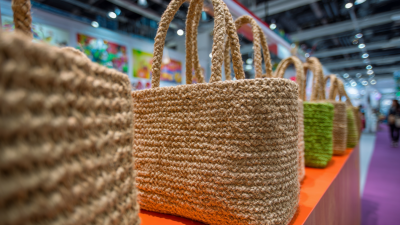
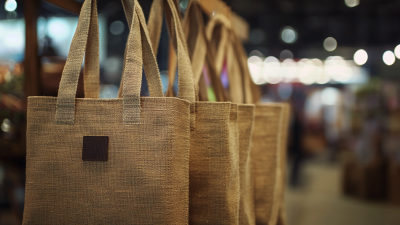
International buyers often select promotional jute bags for their natural texture, strength, and visible branding space.
The most useful styles include the flat tote, gusseted shopper, bottle bag, drawstring pouch, laminated market bag, cotton-jute hybrid, long-handle carrier, gift bag, conference folder, and produce sack. Each style serves a different market. A flat tote suits trade events, while a reinforced bottle bag fits hospitality promotions. The gusseted shopper carries heavier groceries.
Details matter.
From my sourcing experience, handle stitching often determines customer satisfaction. Short cotton handles feel neat, but long handles improve shoulder comfort. A wide base helps the bag stand on retail counters. Inner lining can protect printed materials from rough fibers and light moisture. However, laminated surfaces may reduce the natural appearance that some buyers expect.
International production also requires careful verification.
Importers should check fiber composition, colorfastness, packaging rules, and labeling requirements in the destination market. These rules differ widely. A supplier should provide measurable specifications, sample photos, and pre-shipment inspection records. Printed logos need testing on textured fabric, because fine lines may appear uneven. That issue is easy to underestimate.
Color choice affects regional appeal.
Natural beige suggests simplicity, while deep green or navy creates a more formal appearance. Recycled cotton handles can add comfort, but they may increase cost and production time. Not every “eco” claim is equally reliable. Buyers should request supporting documentation instead of trusting attractive wording. A practical order begins with samples, realistic delivery dates, and a clear tolerance for minor handmade variations.
For the top ten promotional jute bags, compare suppliers using the same specification sheet. Include bag size, fabric weight, handle length, lining, print method, stitching tolerance, and packaging. A low unit price can hide higher costs for sampling, artwork, or rejected pieces. Calculate landed cost, not factory price. This includes production, inspection, freight, duties, and local delivery.
A practical warning: fabric color can vary between batches, even when the approved sample looks perfect.
Certification needs careful checking. GOTS allows products labeled “made with organic” to contain at least 70% certified organic fibers, according to the GOTS Standard. However, certification must cover the relevant processing stages. OEKO-TEX Standard 100 addresses harmful substances, but it does not prove organic farming.
Ask suppliers for current certificates, scope details, test reports, and certificate numbers. Verify them independently. Paper claims are not enough.
Shipping planning matters because maritime transport carries over 80% of global merchandise trade, according to UNCTAD’s Review of Maritime Transport 2024. Confirm the HS code, carton dimensions, gross weight, moisture protection, and destination port before ordering. Request two freight quotations. Rates change quickly.
Tips: Order a pre-production sample. Test the handles with realistic weight. Ask for a packing photo. Confirm whether the quoted price includes export cartons. One missing detail can damage the margin.