China Top 10 120g 140g Printable PVC Vinyl Suppliers?

China’s printable PVC vinyl market includes many manufacturers, but product quality can vary sharply. This guide examines ten potential Chinese suppliers of 120g and 140g printable PVC vinyl. It focuses on practical buying factors, not promotional rankings.

The featured material, 120g-140g PVC self adhesive vinyl sticker glossy surface printable vinyl, suits labels, decals, retail graphics, and short-term promotional displays. Weight alone does not prove performance. Buyers should check face-film thickness, adhesive strength, release-liner quality, and print compatibility. Samples matter. A glossy surface may produce vivid colors, yet it can also reveal scratches, dust, or uneven coating. Testing with solvent, eco-solvent, UV, or latex printers is essential before placing a bulk order.

Reliable suppliers should provide clear technical data, production photos, sample rolls, and consistent communication. Ask about roll width, length tolerance, waterproof performance, aging resistance, and storage conditions. Factory audits, third-party inspection, and documented quality-control procedures can reduce avoidable risks. Certifications may support credibility, but buyers should verify their scope and validity instead of accepting a logo at face value. Experience with export packaging also matters; crushed cores can waste an otherwise good shipment.

Price remains important, but the lowest quotation may hide unstable coating or weak adhesive. That sounds simple. It is not. A supplier may perform well on one batch and disappoint on another. Therefore, this overview encourages readers to compare evidence, request current samples, and review trial-order results. The final choice should match the printer, application, climate, and expected service life. No supplier list stays perfect forever. Market conditions change, and careful rechecking remains necessary.
China Top 10 120g 140g Printable PVC Vinyl Suppliers?

What Are 120g and 140g Printable PVC Vinyl Materials?

What Are 120g and 140g Printable PVC Vinyl Materials?

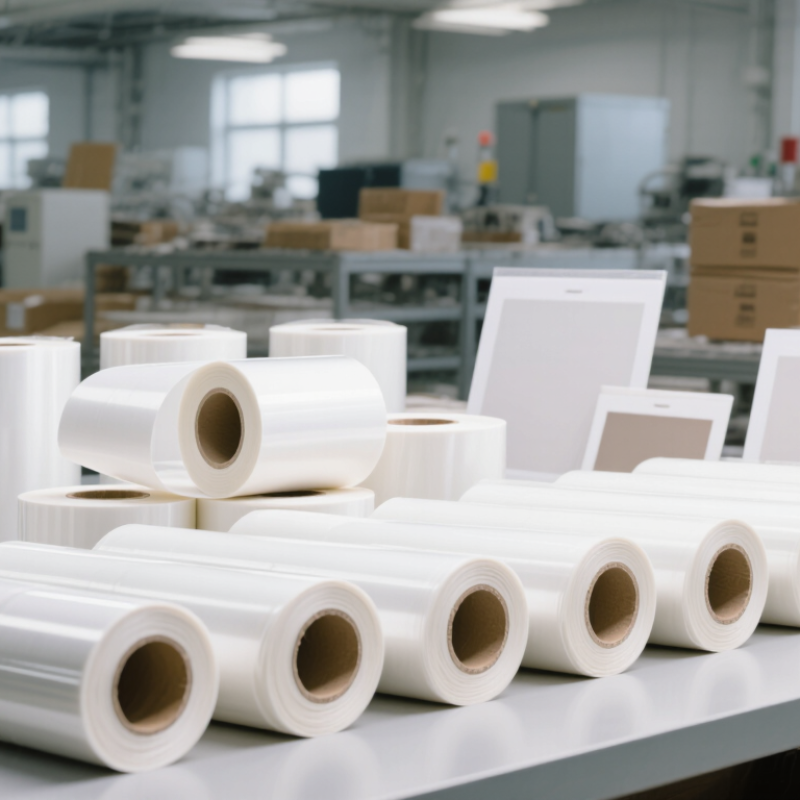
Printable PVC vinyl is a flexible film used for signs, labels, window graphics, and promotional displays. It usually includes a PVC face film, adhesive layer, and release liner. The 120g and 140g figures often describe the material’s total weight or liner specification. Suppliers may calculate them differently, so the number needs confirmation.

In practical use, 120g vinyl feels lighter and bends easily around flat or slightly curved surfaces. It can suit short-term indoor graphics and applications where easy handling matters. The 140g option usually provides a firmer feel, better dimensional stability, and more resistance during installation. It may work better for larger graphics or repeated handling. However, heavier does not always mean better. Print quality also depends on coating, ink compatibility, adhesive performance, and surface preparation. I have seen attractive samples fail because the adhesive lifted at dusty edges.

Tips: Ask suppliers for a complete technical data sheet. Confirm whether the weight includes the liner. Request printed samples using your actual printer and ink system. Check color consistency, drying time, cutting behavior, and removal performance. Store rolls upright in a dry room. Avoid judging materials by thickness alone. A small installation trial can reveal problems that laboratory data misses.
How to Evaluate Chinese Printable PVC Vinyl Suppliers

When comparing China’s top 10 suppliers of 120g and 140g printable PVC vinyl, do not rank them by catalog photos alone. Evaluate production experience, coating consistency, and export communication. Ask for recent samples from the exact weight and finish you need. Check caliper, basis weight, whiteness, opacity, and ink adhesion under your actual printer settings. A supplier may quote 140g, yet measured results can vary between batches. That small gap can affect feeding, cutting, and outdoor appearance. Request a signed specification sheet and batch traceability.

Professional suppliers explain how their printable layer is formulated for solvent, eco-solvent, UV, or latex inks. They should provide test data, storage guidance, and realistic durability claims. Verify whether the adhesive, liner, and surface finish match your application. Inspect sample rolls after printing, lamination, bending, and moisture exposure. Speak with a technical contact, not only a salesperson. References from similar buyers add confidence, but they are not proof. Factory audits or independent inspections can reveal details that polished quotations hide.

Tips: Compare at least three samples using one controlled test file. Record color density, drying time, curl, and edge lift. Ask how complaints are handled and how replacement decisions are documented. Low prices deserve questions. I once treated a smooth surface as evidence of superior printability; it was not. A better evaluation combines measurements, repeat orders, and honest discussion of weaknesses. Leave room for uncertainty, especially when suppliers provide limited long-term weathering data.

China’s Top 10 120g and 140g Printable PVC Vinyl Suppliers

China’s top 10 120g and 140g printable PVC vinyl suppliers should be assessed through measurable production data, not catalog claims. Grand View Research reports continued growth in the global PVC films market, driven by signage, labeling, and protective graphics. This demand increases pressure on Chinese factories to control coating consistency. Buyers should request caliper records, basis weight, adhesive type, liner weight, and printable-side treatment. The terms “120g” and “140g” may describe the complete construction, not the PVC film alone. That detail matters.

A practical audit should include a 500-meter trial roll. Check feeding stability, solvent or eco-solvent ink adhesion, drying speed, curling, and edge lift after application. ISO 527 tensile testing and ISO 4892-3 accelerated weathering can support more reliable comparisons. Smithers’ research on digital print markets also highlights shorter runs and faster customization, making batch consistency increasingly important. Suppliers with documented inspection plans usually provide stronger evidence than suppliers offering only attractive samples. Still, laboratory results can miss warehouse damage or seasonal humidity effects. We have seen that happen. Request recent test dates, export packaging photos, and traceability from resin to finished roll. A top-ten list is useful, but it can be wrong without independent sampling and repeat testing.

Which Printing and Finishing Options Do Suppliers Provide?

When comparing suppliers of 120g and 140g printable PVC vinyl, printing compatibility deserves close attention. Ask which ink systems their material supports. Common options include eco-solvent, solvent, UV, and latex printing. Each method affects color depth, drying time, and outdoor durability. Request printed samples before placing a large order. A smooth white surface matters.

Suppliers may offer gloss, matte, or satin finishes. Gloss can strengthen color contrast and visual impact. Matte finishes reduce reflections under shop lighting. Some factories also provide cold lamination, which protects graphics from scratches and moisture. Laminated vinyl usually performs better on frequently handled signs. However, excessive heat can still distort thin material.

Cutting services may include roll slitting, sheet cutting, contour cutting, and custom trimming. Adhesive choices can include removable, permanent, or repositionable types. Ask for peel strength, liner details, and storage guidance. I have found that small differences in adhesive often create installation problems. They are easy to overlook. Edge curling is another practical concern, especially after long storage. A supplier should provide batch information, core size, packaging details, and test results when available. Do not rely on photographs alone. A sample may look excellent but feed poorly through your printer. That is why a real machine trial remains essential.

China Top 10 120g 140g Printable PVC Vinyl Suppliers? - Which Printing and Finishing Options Do Suppliers Provide?

An anonymized industry capability guide for evaluating suppliers of 120g and 140g printable PVC vinyl materials

No. Evaluation Dimension Typical Requirement for 120g PVC Vinyl Typical Requirement for 140g PVC Vinyl Common Supplier Capability Printing or Finishing Relevance
1 Basis Weight Approximately 120 g/m², subject to manufacturing tolerance and coating structure Approximately 140 g/m², subject to manufacturing tolerance and coating structure Standard specification Basis weight affects stiffness, handling, liner selection, shipping weight, and application feel.
2 Printable PVC Surface Coated or treated surface designed to receive solvent, eco-solvent, UV, or latex inks Coated or treated surface designed to receive solvent, eco-solvent, UV, or latex inks Commonly available Surface treatment must be matched to the selected ink technology to support adhesion and image quality.
3 Digital Printing Suitable for short- and medium-run customized graphics when the product is certified for the printer and ink system Suitable for short- and medium-run customized graphics when the product is certified for the printer and ink system Generally supported Typical options include solvent, eco-solvent, UV, and latex printing; compatibility should be tested before mass production.
4 Screen Printing Suitable for selected PVC-compatible inks and relatively simple or high-opacity graphics Suitable for selected PVC-compatible inks and relatively simple or high-opacity graphics Available by specification Ink formulation, curing conditions, mesh selection, and surface energy influence adhesion and durability.
5 Gravure or Flexographic Printing Practical for repeat designs and higher-volume production Practical for repeat designs and higher-volume production Available for volume orders These processes are generally more economical for stable artwork and larger production quantities than digital printing.
6 Surface Finish Gloss, matte, or selected specialty textures depending on coating and application Gloss, matte, or selected specialty textures depending on coating and application Commonly supported Gloss improves visual saturation, while matte finishes reduce reflected glare and are often preferred for indoor displays.
7 Lamination Clear gloss or matte protective film may be added after printing Clear gloss or matte protective film may be added after printing Commonly offered Lamination can improve scuff resistance, moisture resistance, UV protection, and service life.
8 Adhesive Options Permanent, removable, or repositionable adhesive constructions may be available Permanent, removable, or repositionable adhesive constructions may be available Application-dependent Adhesive selection depends on the substrate, indoor or outdoor use, removal requirements, temperature, and surface energy.
9 Die-Cutting and Slitting Roll slitting, sheet cutting, kiss cutting, and custom die-cutting may be requested Roll slitting, sheet cutting, kiss cutting, and custom die-cutting may be requested Generally supported Suppliers commonly provide finished roll widths, sheet sizes, core diameters, and custom shapes according to order requirements.
10 Quality and Compliance Documentation Typical documents may include technical data sheets, test reports, and batch inspection records Typical documents may include technical data sheets, test reports, and batch inspection records Must be confirmed per order Important checks include basis weight, thickness, dimensional stability, ink adhesion, color consistency, and adhesive performance.

Technical values and available options vary by PVC formulation, coating, adhesive, liner, roll width, and intended application. Request a current technical data sheet and perform printing, lamination, and adhesion tests before approving production.

How to Select the Right Supplier for Your Project

China Top 10 120g 140g Printable PVC Vinyl Suppliers?

How to Select the Right Supplier for Your Project

Choosing a PVC vinyl supplier requires more than comparing price lists. A 120g or 140g product may differ in coating, opacity, adhesive strength, and dimensional stability. According to Grand View Research, the global self-adhesive labels market was valued at about USD 49.9 billion in 2023 and may grow at roughly 5.3% annually through 2030. This growth increases supplier choice, but also increases quality risks. Request technical data sheets, coating samples, and batch records before approval.

Evaluate production evidence, not attractive claims. Ask whether the supplier controls caliper, basis weight, whiteness, and curl during manufacturing. For outdoor projects, review accelerated-weathering results based on ISO 4892-3. For adhesive performance, request test results aligned with ASTM D1000. Check sample rolls after printing, peeling, bending, and water exposure. A supplier with clear inspection procedures usually offers stronger reliability. Still, test one full production batch. Samples can look perfect.

Tips: Compare three suppliers using the same specification sheet. Confirm roll width, core size, minimum order, lead time, and replacement policy. Ask for a recent inspection report. Do not select the cheapest offer automatically. I have seen low-cost vinyl fail through uneven ink absorption and edge lifting. That lesson is easy to overlook. Also, 120g is not always weaker than 140g; coating structure and polymer quality can matter more than weight alone.

Call Now Button