
Choosing a reliable supplier for 99% Pure Cetearyl Alcohol requires more than comparing prices or reading polished product pages. Purity claims should connect to measurable evidence.
Dr. Perry Romanowski, a cosmetic chemist and formulation educator, offers a useful principle: “The ingredient is only as good as the specification and the testing behind it.” This reminder matters when suppliers describe cetearyl alcohol as highly pure, stable, or globally compliant. A serious evaluation should examine the certificate of analysis, assay method, hydroxyl value, acid value, color, odor, melting range, and microbiological controls.
The suppliers featured in this guide are assessed through practical purchasing criteria. These include manufacturing consistency, batch traceability, technical documentation, packaging quality, and responsiveness to formulation questions. A 25-kilogram bag should arrive sealed, labeled, and protected from moisture and excessive heat. Small details can reveal large weaknesses.
Cetearyl alcohol is commonly used as a fatty alcohol, thickener, emollient, and stabilizing co-emulsifier. Its performance can change with particle form, production method, storage conditions, and blend composition. “99% pure” does not automatically mean identical performance across every supplier.
That is where this ranking becomes useful, but not perfect. Supplier information can change, and publicly available evidence may remain incomplete. Buyers should verify current specifications before placing an order. The final shortlist focuses on companies that demonstrate credible quality systems, consistent documentation, and practical support for personal-care, pharmaceutical, and industrial formulations.
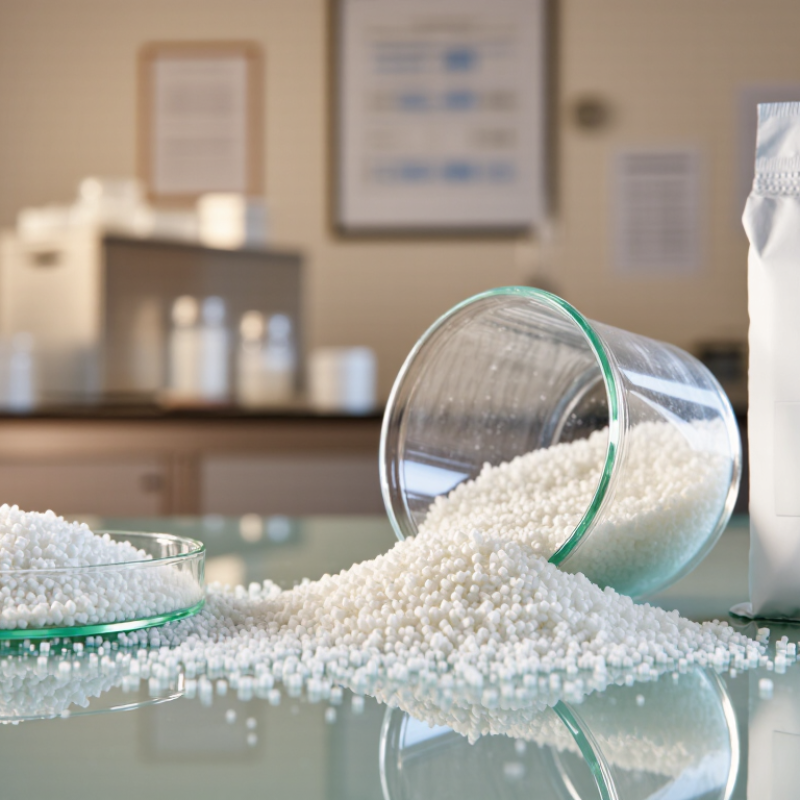
In personal-care formulation, 99% pure cetearyl alcohol is a high-purity blend of cetyl and stearyl alcohols. It is a fatty alcohol, not the drying ethanol used in spirits or sanitizers. At room temperature, it usually appears as white beads, flakes, or a waxy solid. Its structure gives formulas body, slip, and a softer after-feel.
When heated, it melts into an oily phase and helps oil and water remain evenly dispersed. It can thicken creams, improve lotion spread, and reduce a runny appearance. It also supports lamellar structures that make emulsions feel dense and cushiony. The final texture depends on chain balance, processing temperature, surfactants, and dosage. Small changes matter.
For supplier evaluation, request a current specification and batch-specific certificate of analysis. Useful checks include assay, melting range, acid value, hydroxyl value, iodine value, moisture, color, and odor. Testing methods should be stated, because numbers without methods can mislead. “99% pure” does not automatically mean superior performance. Storage history may alter odor or texture after heat exposure. In practical formulation work, appearance alone is an unreliable shortcut. Pilot batches, accelerated stability testing, and sensory evaluation reveal more.

A credible top-ten supplier list should begin with material evidence, not marketing claims. 99% pure cetearyl alcohol is usually produced from C16 and C18 fatty feedstocks. These feedstocks are converted into fatty alcohols through hydrogenation, then purified by distillation and controlled blending. The final material appears as white flakes or beads, with a mild waxy odor and a narrow melting range.
Testing is more demanding than checking appearance. Quality laboratories commonly use gas chromatography with flame-ionization detection to measure cetyl and stearyl alcohol proportions. They also examine hydroxyl value, acid value, water content, color, melting range, and residue after ignition. The USP–NF fatty alcohol monograph framework supports identity and purity controls, while ISO 16128 helps assess natural-origin claims. According to the 2024 OECD–FAO Agricultural Outlook, vegetable oils remain a major global feedstock for oleochemical production, but origin alone does not prove purity. It is only one clue.
A supplier’s certificate should show batch numbers, test methods, limits, and actual results. Ask for chromatograms when the stated assay reaches 99%. That detail matters. Some certificates report total C16–C18 content, while others imply a narrower composition. The difference can affect cream texture, viscosity, and stability. Independent retesting is wise, although even good laboratories can produce variation between instruments. This is where many “top supplier” comparisons become less certain.
A 99% purity claim needs careful reading. Ask which test method produced that number. Request a current certificate of analysis for every production lot. The document should show assay, moisture, acid value, melting range, and appearance. A clean white flake is useful evidence, but it is not proof alone.
From practical supplier reviews, traceability often separates strong manufacturers from ordinary traders. Check whether the supplier identifies raw material origins, batch numbers, production dates, and storage conditions. Independent laboratory testing can confirm assay and detect unexpected residues. Samples should arrive in sealed packaging, with clear labels and intact liners. Small details matter.
Quality systems deserve equal attention. Review manufacturing controls, change-notification procedures, complaint handling, and documented corrective actions. Certifications can support confidence, but certificates should be verified and kept current. Ask about export experience, lead times, minimum order quantities, and temperature protection during transport. Delayed replies may signal weak coordination, although one slow email proves little.
Price comparisons can mislead. Lower cost may reflect older stock, limited testing, or inconsistent packaging. No supplier file is flawless. I would record unanswered questions instead of quietly filling gaps. A supplier that explains limitations openly may be more reliable than one offering perfect-looking paperwork. Human judgment still matters.
Choosing among the top 10 99% pure cetearyl alcohol suppliers worldwide requires more than comparing prices. Cetearyl alcohol is commonly used in creams, conditioners, lotions, and solid cosmetic formulas. Reliable suppliers should provide a current certificate of analysis, safety data sheet, batch number, and manufacturing origin. Their documents should confirm assay, melting range, moisture, color, and microbial limits. These details reveal whether “99% pure” describes total assay or a specific fatty-alcohol composition.
The strongest international suppliers usually offer stable production, traceable raw materials, and practical packaging options. Some support full containers, while others provide smaller samples for formulation trials. Technical teams should answer questions about cetyl-to-stearyl ratios, odor, storage, and compatibility with emulsifiers. A supplier may look impressive online but provide weak batch documentation. That is a warning sign. Rankings can also change when capacity, shipping reliability, or quality systems change.
Tips: Request samples from several shortlisted suppliers and test them under identical conditions. Check the powder or flakes for unusual odor, discoloration, clumping, or inconsistent melting behavior. Compare three consecutive batch documents when possible. Confirm whether the material is cosmetic grade and suitable for your intended market. Do not rely on a single purity number. I have found that processing behavior sometimes matters more than a perfect specification sheet. Ask for realistic lead times, not optimistic promises. A small pilot order can expose problems before large-scale purchasing begins.
Anonymized supplier comparison based on commonly published technical specifications and international purchasing criteria
| Rank | Supplier Profile | Primary Supply Region | Product Description | Typical Assay | CAS Number | Common Forms | Typical Documentation | Suitable Applications | Indicative Supply Position |
|---|---|---|---|---|---|---|---|---|---|
| 1 | Profile A | East Asia | Cetearyl alcohol, a solid blend of cetyl and stearyl alcohols | ≥99.0% | 67762-27-0 | Flakes, pellets, pastilles | SDS, COA, specification sheet, allergen statement | Skin care, hair care, emulsions, creams | High-volume supply |
| 2 | Profile B | South Asia | High-purity nonionic fatty alcohol blend for personal-care formulations | ≥99.0% | 67762-27-0 | Flakes, beads, prills | COA, SDS, TDS, batch traceability records | Conditioners, lotions, balms, cleansing products | Competitive bulk supply |
| 3 | Profile C | Western Europe | Cosmetic-grade cetearyl alcohol with controlled color and odor | ≥99.0% | 67762-27-0 | Pastilles, flakes | SDS, COA, GMP-related quality documents, regulatory statement | Premium cosmetics and dermatological preparations | Strong documentation |
| 4 | Profile D | North America | Refined fatty alcohol blend used as a consistency enhancer and co-emulsifier | ≥99.0% | 67762-27-0 | Flakes, pellets | COA, SDS, TDS, non-GMO and compliance statements where applicable | Creams, ointments, hair conditioners, body products | Reliable regional delivery |
| 5 | Profile E | Southeast Asia | Palm-derived or mixed-source cetearyl alcohol for personal-care manufacturing | ≥99.0% | 67762-27-0 | Flakes, pellets, powder-free pastilles | COA, SDS, origin statement, RSPO-related documentation if applicable | Mass-market skin and hair care products | Flexible sourcing |
| 6 | Profile F | Middle East | Industrial and cosmetic-grade fatty alcohol blend with standard melting behavior | ≥99.0% | 67762-27-0 | Flakes, beads | SDS, COA, technical data sheet, packaging declaration | Emulsions, surfactant systems, industrial creams | Regional export supply |
| 7 | Profile G | Eastern Europe | High-purity cetearyl alcohol supplied for formulation and manufacturing use | ≥99.0% | 67762-27-0 | Flakes, pastilles | COA, SDS, REACH-related information, specification sheet | Cream bases, emollient systems, hair-care products | Moderate-volume supply |
| 8 | Profile H | Northeast Asia | Low-odor cetearyl alcohol designed for appearance-sensitive formulations | ≥99.0% | 67762-27-0 | Pastilles, flakes | COA, SDS, TDS, color and odor specifications | Clear-to-white creams, lotions, premium hair care | Consistent quality focus |
| 9 | Profile I | Latin America | Imported or locally distributed cosmetic-grade cetearyl alcohol | ≥99.0% | 67762-27-0 | Flakes, pellets | COA, SDS, local regulatory documentation, batch information | Contract manufacturing, personal-care formulations | Shorter local lead times |
| 10 | Profile J | Oceania | Specialty-distributed cetearyl alcohol for laboratory and commercial production | ≥99.0% | 67762-27-0 | Flakes, pellets, small-pack quantities | SDS, COA, TDS, import and transport documentation | Small-batch cosmetics, laboratories, private-label products | Small-to-medium orders |
Note: Cetearyl alcohol is generally identified by CAS 67762-27-0 and is commonly used as a thickener, emollient, stabilizer, and co-emulsifier. Actual assay, composition, origin, certifications, minimum order quantity, pricing, and lead time should be confirmed through the supplier’s current COA, SDS, and technical data sheet.
Choosing among the top 10 suppliers of 99% pure cetearyl alcohol requires more than comparing prices. The assay indicates purity, but it does not fully describe chain length, melting behavior, or emulsion performance. Review the certificate of analysis for assay, acid value, hydroxyl value, moisture, and melting range. Ask for three recent batches, not one attractive sample.
Application fit matters. For creams, a narrow melting range can improve texture and stability. Hair conditioners may require consistent particle size and reliable dispersion. ISO 22716 supports controlled cosmetic manufacturing, while the Cosmetic Ingredient Review has assessed fatty alcohols as safe when used appropriately. The EU CosIng database identifies cetearyl alcohol as an emollient and surfactant. These references support screening, but they cannot replace your own formulation tests.
Tips: Request full traceability from raw material to packed drum. Confirm allergen, microbiological, and residual-solvent controls. Check whether 99% means total fatty alcohol content or a specific component. A small pilot batch can reveal odor, graininess, or phase separation. It is easy to overlook packaging, especially in humid warehouses. McKinsey’s 2023 beauty market report projected the global beauty sector could approach 580 billion dollars by 2027, increasing pressure for dependable supply. Still, market growth does not guarantee supplier quality. Audit responses, technical support, lead time, and backup capacity deserve equal weight. A cheaper material may become expensive after reformulation delays.