
What Are the Best Magnetic Snap Fasteners in 2026?

Choosing the best Magnetic Snap fasteners in 2026 is less about picking the strongest magnet and more about matching the closure to its job. A snap that works neatly on a small purse may feel weak on a heavy tote. A firm closure can also make a delicate fabric pucker. Small details matter.

This guide compares practical features, including holding strength, snap size, metal finish, installation method, and compatibility with different materials. It also considers how closures feel in everyday use: whether two sides align easily, open without a struggle, and stay closed when a bag shifts. Sew-in and pronged styles suit different projects, while adhesive-backed options may need extra scrutiny on flexible or textured surfaces. No single design fits every project.

Specifications help, but they do not tell the whole story. Fabric thickness, reinforcement, and the weight carried inside can change how a fastener performs. Where product information is limited, that uncertainty deserves attention. Not every listing explains its testing conditions clearly.

The recommendations ahead are intended to help sewists, bag makers, and shoppers narrow their choices with realistic expectations. We’ll explain what to look for, where common trade-offs appear, and which details are worth checking before purchase. A careful match usually beats a bigger magnet.
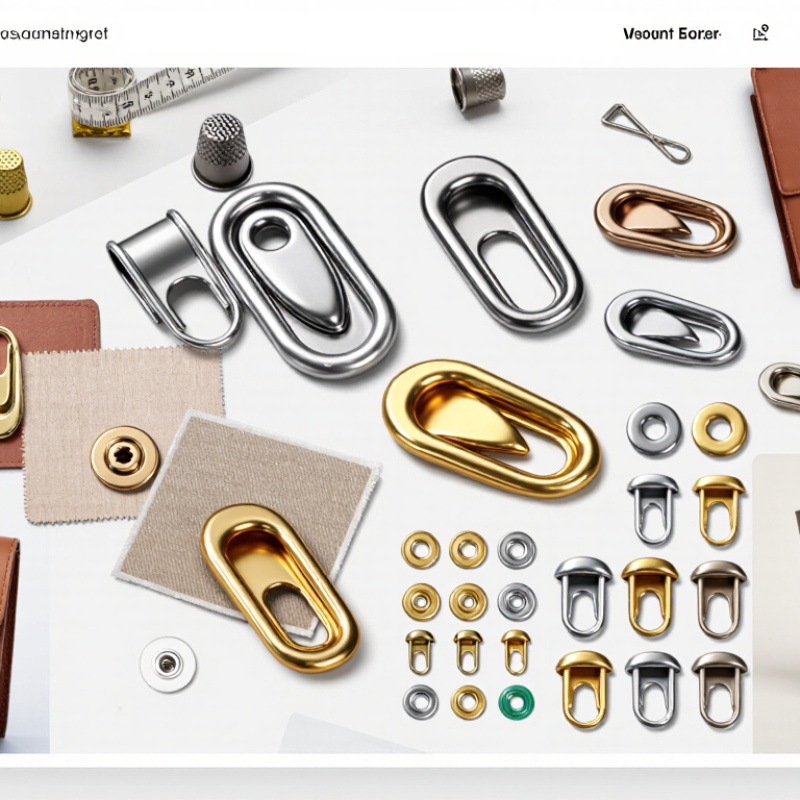
What Are the Best Magnetic Snap Fasteners in 2026?

How Magnetic Snap Fasteners Work

Magnetic snap fasteners close through attraction between paired magnetic components. One half sits on each side of an opening, often inside a fabric flap or small leather tab. Bring them close, and the magnetic field pulls the halves together. You may hear a soft click as their housings meet. That sound comes from contact, not necessarily from a locking mechanism. Designs vary: some use enclosed magnets, while others pair a magnet with a steel plate. The casing helps keep the parts aligned and protects the components.

Opening one usually means pulling the two sides apart. The required force depends on magnet strength, spacing, and the materials covering the fastener. Thick padding can weaken the hold. So can a heavy flap tugging at an angle. That distinction matters. A closure that feels secure on a light pouch may not suit a loaded bag. In use, check that the halves meet evenly and that stitching keeps them firmly in place. Moisture and repeated flexing can also affect surrounding materials over time. I’d avoid assuming every magnetic snap is washable; care depends on its construction and the item around it.

Which Types of Magnetic Snap Fasteners Are Available in 2026?

Magnetic snap fasteners are available in sew-in, prong-mounted, and screw- or rivet-mounted styles. Each pairs two components that meet when a flap closes. Small details matter. The best construction depends on the material, the closure’s position, and how much pulling force it will face.

Sew-in snaps usually have fabric tabs or a flexible casing, making them useful for soft linings and lightweight pouches. They avoid visible prongs, but stitching needs a firm, reinforced area. Prong-mounted snaps pass through prepared holes and fold flat against the fabric. They suit many handbags and wallets, though thin material may tear or wrinkle without reinforcement.

Screw- and rivet-mounted versions can work well on thicker leather, canvas, or structured bags. Check the required material thickness before installing one; a post that is too short may not hold securely. The magnet’s pull also matters: a strong closure can be awkward on a small pouch, while a weak one may release under a full bag’s weight. Test it first. A fabric swatch can reveal alignment problems, sharp edges, or a closure that feels too stiff. Even careful measurements can miss how a flap bends in daily use.

How to Compare Magnetic Snaps by Strength, Material, and Design

Choosing the best magnetic snap fastener in 2026 starts with the job it must do. A small snap can suit a coin pouch, while a loaded tote needs a stronger hold. Check published pull-force data when available, then test a sample with the actual fabric and lining. Numbers alone can mislead. Thick padding may weaken the magnetic connection, and a snap that feels secure on a desk may shift inside a soft bag.

Material affects durability and appearance. Stainless steel generally resists corrosion, while plated metals can offer a polished look at different price points. Inspect the finish around the edges, where scratches may appear first. Also consider how the fastener attaches: prongs, screws, or sewing holes each suit different constructions. Design matters too. A low-profile snap can reduce bulk beneath a flap, while a wider face may spread pressure across delicate fabric. I may be overcautious, but I prefer testing the closure through repeated opening and closing before committing to a full production run. Feel the fabric. Watch for puckering. A little mismatch can become obvious after daily use.

Which Magnetic Snap Fasteners Suit Different Projects?

What Are the Best Magnetic Snap Fasteners in 2026?

The right magnetic snap depends on the project, fabric, and expected wear. For a small wallet or fabric pouch, a lightweight sew-in snap can close neatly without adding much bulk. A pronged snap may suit a lined tote or structured bag, but the fabric needs firm backing to prevent the fastener from pulling through. For thick materials, check the snap’s post length and test it on a layered scrap first. Too short, and it may not secure properly.

Clothing and delicate accessories need a gentler choice. A strong snap can tug at thin fabric or make a soft flap sit awkwardly. For a frequently used bag, look for a closure that aligns easily and feels secure without needing a hard pull. Magnetic snaps are convenient, though they are not ideal for every heavy or rough-use project. I’ve found that a quick sample test can reveal problems a product description won’t.

Tips: Mark both sides before installation. Reinforce thin fabric with interfacing, and test the finished closure with the project’s actual layers. Check care instructions before washing; some fasteners may need extra protection.

What Are the Best Magnetic Snap Fasteners in 2026? - Which Magnetic Snap Fasteners Suit Different Projects?

Fastener style Typical construction Best suited projects Advantages Things to consider
Sew-on magnetic snap Two covered magnetic halves with holes or a fabric edge for stitching. Lightweight pouches, fabric wallets, soft organizers, and projects where visible prongs are undesirable. Can be attached with basic hand or machine sewing; avoids cutting prong slots in the material. Stitching and fabric must support repeated opening. Check that the needle path does not pass through the magnet or metal component.
Pronged magnetic snap A magnetic pair with prongs that pass through the material and fold over a backing plate. Handbags, clutches, fabric cases, and lined accessories with a stable fastening area. A common choice for bag-making; the backing plate helps distribute load around the attachment point. Requires accurately placed slots. Reinforce soft or thin fabric with interfacing or a suitable backing to help prevent tearing.
Screw-in or post-style magnetic clasp A magnetic closure secured with a threaded post, screw, or matching hardware components. Structured bags, leather goods, craft boxes, and projects with a firm mounting surface. Can provide a neat, finished attachment when installed in a compatible, sufficiently rigid material. Check the required material thickness, hole size, and hardware compatibility before installation. A soft backing may be needed.
Magnetic button closure A compact button-shaped magnetic pair, commonly attached with prongs or a sew-on method. Small purses, card holders, cosmetic bags, and lightweight garment or accessory closures. Compact profile works well where a larger clasp would look bulky or take up too much space. Choose a size and holding strength appropriate to the item’s weight and contents; a small closure may not keep a heavily filled bag shut.
Hidden magnetic closure Magnets enclosed between layers of fabric, leather, or other compatible material. Clean-lined bags, reversible accessories, soft book covers, and projects where exposed hardware is not wanted. Keeps the fastening hardware out of sight and can create a smooth exterior finish. Material thickness and magnet alignment affect closure performance. Secure magnets in place and keep them away from children and magnet-sensitive devices.
Large magnetic bag clasp A larger two-part clasp, often fitted with a plate or frame for attachment to a bag opening. Totes, roomy handbags, and structured bags with a broad closure area. A broader format can be easier to align and may suit larger bag openings better than a small button-style snap. Confirm that the clasp fits the opening and is securely supported. Magnetic closures are not a substitute for a zipper when secure containment is essential.

Selection note: Names, dimensions, materials, and holding strength vary by supplier. Check the product specifications and test the closure on a sample of the finished material before making the full project.

How to Install and Maintain Magnetic Snap Fasteners

A clean installation starts with measuring twice. Mark both snap halves on the fabric, then check that they meet without pulling the material out of shape. Use the maker’s template or a paper guide to keep the prongs evenly spaced. Pierce only the marked layers, not the lining beneath them. Set each half with the correct tool on a firm, flat surface; uneven pressure can bend the cap or loosen the fitting. Test the closure several times before sewing the lining closed. It should meet squarely and release without a sharp tug.

For leather or thick canvas, a small backing patch helps spread the load. On delicate fabric, reinforce the area with interfacing first. Keep magnets away from magnetic-sensitive cards and devices during handling. The 2024 Textile Exchange Materials Market Report estimates that global fiber production reached 124 million tonnes in 2023, a useful reminder that extending a garment’s life matters. Still, a snap repair is not always durable if the surrounding fabric is worn thin.

Wipe the fastener with a dry, soft cloth and remove lint from its rim. Avoid soaking the snap or using abrasive cleaners; moisture trapped around the setting may stain fabric or encourage corrosion. Check for looseness every few wears. If the snap rotates, stop forcing it. Replace it, or reinforce the fabric before resetting the hardware. I’ve learned that the snap often gets blamed first. The fabric may be the real problem.

What Are the Best Magnetic Snap Fasteners in 2026?

Magnetic snaps are available in a range of nominal diameters. These common example sizes are for comparison, not a universal standard; check the product specifications and choose a size suited to the material and project.

To install, align and mark the snap halves, make openings as required by the fastener design, secure the fastener, and test the closure. To maintain it, wipe it clean and dry, check for corrosion or looseness, and follow the care instructions for the fabric and fastener.

Article Source:

Call Now Button