
Top 10 Sandwich Mesh Fabric Suppliers for Global Buyers
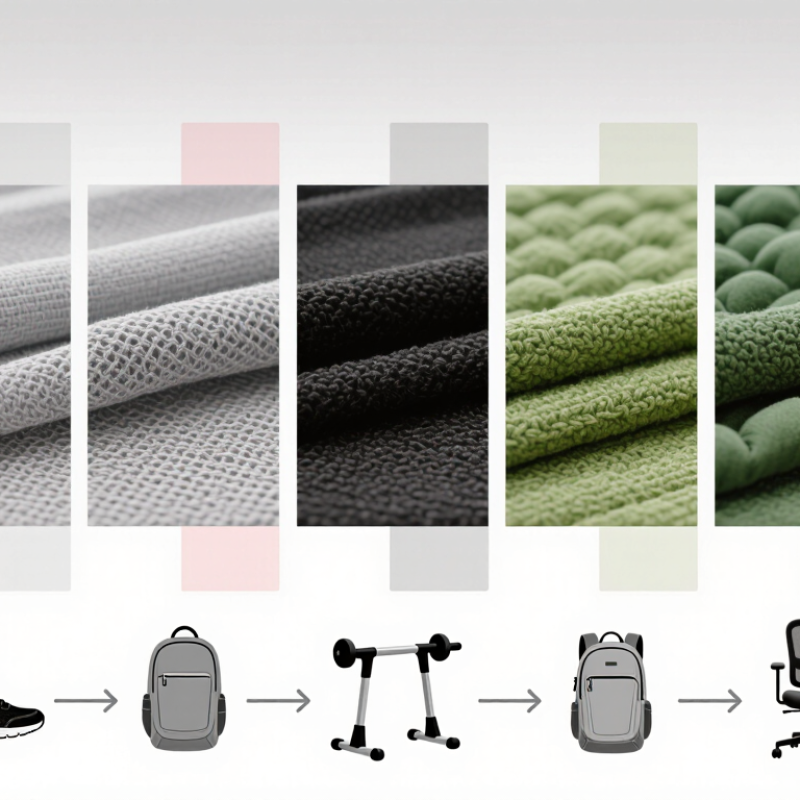
Sandwich Mesh Fabric is valued for its three-dimensional structure, airflow, cushioning, and relatively low weight. Buyers may encounter it in footwear, backpacks, sports equipment, and upholstered seating. Yet materials that look similar on a screen can behave differently in production. Thickness, yarn composition, bonding strength, and surface finish all affect the final result.
This guide introduces ten suppliers for global buyers and outlines practical points for comparing them. Details matter. Ask about fabric weight, usable width, color options, minimum order quantities, sampling costs, and typical lead times. Request technical specifications and relevant test reports where available, then compare samples under realistic conditions. A swatch that feels firm in the hand may compress too easily after repeated use. Samples tell more.
Supplier evaluation should also cover communication, quality-control procedures, production capacity, and experience with export orders. Clear answers are useful, but documentation and consistent sample results matter more than polished sales language. Shipping arrangements and payment terms deserve attention, too; small misunderstandings can delay a launch. This shortlist can guide initial research, but it cannot replace direct checks. No ranking suits every buyer. One limitation is difficult to avoid: supplier information may change, and a good fit for one product may not work for another. Consider the intended use, required performance, and total landed cost before making a decision.
Sandwich Mesh Fabric Basics: 3D Spacer-Knit Construction and Fiber Types
Sandwich mesh fabric is a three-dimensional knitted textile, not simply two layers of netting. Two face fabrics are held apart by connecting yarns, often fine monofilaments. This creates a springy middle space that can support cushioning while allowing air to move through. Press a swatch between your fingers: it should compress, then recover, though recovery varies with yarn, stitch structure, and thickness.
Polyester is common because it offers useful durability and comparatively low moisture absorption. Nylon can suit applications where abrasion resistance matters, while polypropylene is lightweight and absorbs little water. Fiber choice alone does not determine performance. The knit gauge, face pattern, spacer-yarn angle, and fabric density all affect airflow and feel. Small construction changes matter.
For global buyers, compare samples using the same conditions. Check thickness, weight, air permeability, compression recovery, and abrasion results, rather than relying on a soft hand alone. A thicker fabric is not always better; it may feel supportive but restrict airflow or take longer to dry. Ask how test results were produced, and confirm that the sample matches the intended production specification. Even then, real use can reveal weaknesses that a small swatch misses.
Top 10 Sandwich Mesh Fabric Suppliers for Global Buyers - Sandwich Mesh Fabric Basics: 3D Spacer-Knit Construction and Fiber Types
Use these ten technical and sourcing checkpoints to compare suppliers. Specifications vary by fabric construction and intended application; confirm the actual values, test methods, and tolerances with each supplier.
| No. | Comparison point | What to confirm with the supplier | Why it matters |
|---|---|---|---|
| 1 | 3D spacer-knit construction | Whether the fabric has two knitted outer faces linked by spacer yarns, and the specified thickness and structure. | The connecting yarns create a three-dimensional layer that separates the faces and can support cushioning and airflow. |
| 2 | Outer-face yarn | Fiber content and yarn details for each face; ask whether the two faces use the same material. | Face yarn selection affects surface feel, appearance, durability, and care requirements. |
| 3 | Spacer yarn | Spacer-yarn fiber, construction, and the finished fabric’s resistance to compression and recovery requirements. | The spacer layer helps maintain separation between the faces; its performance depends on design and end use. |
| 4 | Fiber types | Exact fiber percentages. Polyester and nylon are common synthetic options; elastane may be included where stretch is required. | Fiber choice influences properties such as strength, stretch, moisture behavior, and care needs. Verify the composition rather than relying on a generic description. |
| 5 | Mass per unit area | Target fabric mass in g/m², test method, and acceptable production tolerance. | Mass helps buyers compare material options, but it should be assessed alongside thickness, construction, and intended use. |
| 6 | Thickness and compression | Thickness measurement conditions and, if relevant, compression and recovery test requirements. | Thickness alone does not indicate cushioning performance; measurement pressure and test procedure can affect results. |
| 7 | Air permeability | Air-permeability result, units, test pressure, and method; ISO 9237 is one commonly used test method. | A stated result is comparable only when the test conditions and method are also clear. |
| 8 | Stretch and dimensional stability | Stretch and recovery targets, permitted shrinkage, and the applicable conditioning and test procedures. | These properties affect fit and shape retention in products such as footwear, apparel, and seating. |
| 9 | Dyeing and finishing | Color options, finish type, restricted-substance requirements, and any impact of finishing on handle or breathability. | Finishes and dyes can change the fabric’s appearance and performance; requirements should be agreed before bulk production. |
| 10 | Testing and order documentation | Recent test reports, sample approval process, production tolerances, lead time, minimum order quantity, and lot-to-lot quality controls. | Clear specifications and documented checks help buyers assess consistency without relying on unsupported supplier rankings. |
Tip: Request a fabric swatch and a specification sheet that identifies fiber composition, mass, thickness, test methods, and tolerances before placing a production order.