
What Is Natural Deoxyarbutin Powder and How Does It Work?

Natural Deoxyarbutin Powder is attracting attention in cosmetic formulation because uneven skin tone remains a common concern. Its name sounds simple, but the ingredient deserves careful examination. “Natural” does not automatically mean safer, purer, or clinically proven. Source matters.

According to cosmetic dermatologist Dr. Zoe Diana Draelos, “Ingredients matter, but formulation matters too.” This principle is especially relevant here. Deoxyarbutin is associated with skin-brightening formulas because it may influence tyrosinase, an enzyme involved in melanin production. Reduced tyrosinase activity can help moderate the appearance of dark spots over time. It is not an instant eraser. Results depend on concentration, stability, delivery system, and consistent use.

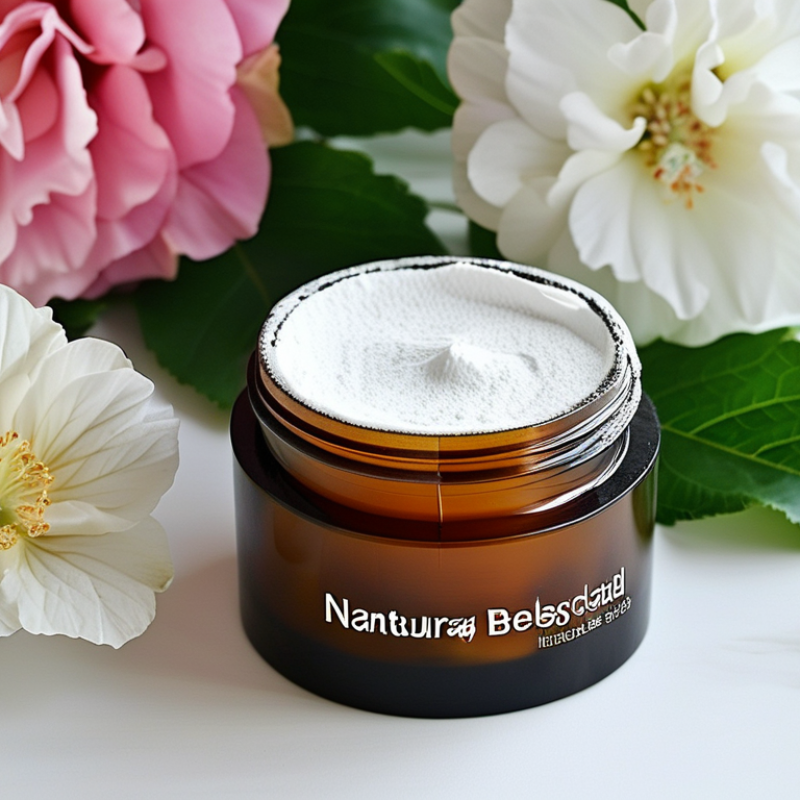
The powder itself may appear fine and pale, almost like soft flour. Yet its performance can change with moisture, heat, pH, and storage conditions. Responsible manufacturers should provide identity testing, purity data, microbial results, and a clear certificate of analysis. Botanical origin should also be documented, rather than assumed from the word “natural.” That point is easy to overlook.

Current evidence should be interpreted carefully. Laboratory findings may not predict real-world outcomes. Individual skin responses also vary. A qualified formulator will assess compatibility with the complete product, including preservatives and packaging. Patch testing remains sensible. Professional guidance is appropriate for persistent pigmentation or sensitive skin. Natural Deoxyarbutin Powder may offer useful formulation potential, but evidence, quality control, and realistic expectations must guide its use. More research is still needed.
What Is Natural Deoxyarbutin Powder and How Does It Work?

What Is Natural Deoxyarbutin Powder?

Natural deoxyarbutin powder is described as a plant-derived skin-care ingredient. However, the term “natural” needs careful checking. Deoxyarbutin is chemically related to arbutin, but commercial deoxyarbutin may be produced through controlled synthesis. A plant source does not automatically prove the final powder is natural.

Look at the specification sheet.

A reliable supplier should provide the botanical source, manufacturing route, assay, residual-solvent limits, microbial results, and heavy-metal testing. ISO 16128 explains how natural-origin percentages should be calculated, while ISO 22716 provides cosmetic good-manufacturing guidance. These standards support transparency, but they do not certify every product claim. The U.S. FDA also states that cosmetic products generally do not receive premarket approval, so supplier documentation remains important.

Deoxyarbutin is mainly discussed as a tyrosinase-inhibiting compound. Tyrosinase helps convert tyrosine into melanin-related intermediates. By reducing this activity, deoxyarbutin may help create a more even-looking skin tone. Evidence is still narrower than many marketing pages suggest. A 2023 review in the International Journal of Cosmetic Science described laboratory promise but noted the need for stronger human studies. Product stability also matters. Heat, light, and moisture can change powder performance. I would question any “100% natural” claim without independent HPLC testing and batch records. The label alone is not proof.

How Is Natural Deoxyarbutin Powder Obtained?

Natural deoxyarbutin powder is often described as a plant-based cosmetic ingredient. However, the terminology is not perfectly consistent. Deoxyarbutin is generally produced through controlled chemical synthesis, rather than collected directly from leaves or fruit. A “natural” label may refer to plant-derived starting materials, cleaner processing, or selected production methods.

A common route begins with hydroquinone and dihydropyran. Under carefully controlled conditions, these materials form the deoxyarbutin structure. The mixture then undergoes filtration, purification, crystallization, drying, and fine milling. Temperature and reaction time require close monitoring. Small variations can affect purity, color, and particle size.

The powder should be checked through professional laboratory testing. High-performance liquid chromatography can confirm identity and assay strength. Residual solvents, heavy metals, microbial limits, and moisture also deserve attention. Reliable suppliers normally provide batch-specific certificates and retain samples for review. The word natural can mislead. It does not automatically mean the finished powder came from a plant. A better question is this: which raw materials were used, and how was the final compound verified? Even experienced buyers can overlook that distinction.

What Is Natural Deoxyarbutin Powder and How Does It Work? - How Is Natural Deoxyarbutin Powder Obtained?

Data Dimension Verified Information Practical Significance
Ingredient identity Deoxyarbutin is a hydroquinone-related phenolic compound used in cosmetic skin-brightening research and formulations. It should not be confused with arbutin, alpha-arbutin, or hydroquinone, which are chemically different substances.
Common chemical description Deoxyarbutin is commonly described as a phenolic glycoside analogue and is associated with CAS Registry Number 5392-40-5. A chemical identity, CAS number, chromatographic profile, and specification should be checked before use.
Physical form The ingredient may be supplied as a white to off-white powder, although appearance can vary with purity, particle size, moisture, and processing conditions. Color alone cannot confirm identity or quality; laboratory testing is required.
Primary biological target The principal cosmetic mechanism discussed for deoxyarbutin is inhibition of tyrosinase, a key enzyme involved in melanin biosynthesis. Reduced tyrosinase activity may decrease the formation of new melanin, subject to concentration, formulation, and skin conditions.
How the mechanism works Tyrosinase catalyzes important steps in the conversion of tyrosine to melanin. Deoxyarbutin can interfere with this pathway by interacting with the enzyme or its active-site environment. The expected cosmetic objective is a more even-looking skin tone rather than permanent removal of pigmentation.
Natural-occurrence status Deoxyarbutin is not generally recognized as a widely abundant, directly extracted botanical constituent. Commercial material is commonly associated with controlled chemical synthesis rather than simple plant extraction. The word “natural” should be supported by clear documentation describing the raw materials, processing route, and regulatory classification.
Possible production route A controlled synthesis may involve preparing the phenolic starting material, introducing the required oxygen-containing side chain, and purifying the final compound through filtration, crystallization, or other suitable separation steps. The exact route depends on the manufacturer and should be confirmed through technical documentation rather than inferred from the product name.
What “naturally derived” may mean The term may refer to renewable feedstocks, bio-based processing aids, fermentation-derived intermediates, or a natural-origin index calculated under a specific standard. It does not automatically mean that the finished molecule is extracted unchanged from a plant. A natural-origin percentage, certification basis, and processing description should be requested when natural sourcing is important.
Extraction considerations Plant extraction is more commonly associated with naturally occurring arbutin or related phenolic compounds. Obtaining verified deoxyarbutin directly from plant material is not an established general-purpose extraction method. A supplier claiming direct botanical extraction should provide botanical identity, extraction solvent details, yield data, and structural confirmation.
Purification and quality control Typical quality evaluation may include HPLC or UPLC assay, identity testing, residual-solvent analysis, water content, heavy-metal testing, microbial limits, and stability assessment. A certificate of analysis should report batch-specific results, test methods, specifications, manufacturing date, and retest or expiry information.
Formulation compatibility Compatibility depends on pH, solvent system, temperature, light exposure, oxygen exposure, packaging, and interactions with other active ingredients. Formulators should conduct stability, compatibility, and preservative-effectiveness testing in the finished product.
Storage guidance Store the powder in a tightly closed, moisture-resistant container away from excessive heat, direct light, and avoidable air exposure, following the supplier’s validated instructions. Improper storage can contribute to discoloration, degradation, changes in assay, or reduced formulation performance.
Safety and regulatory note Safety depends on purity, concentration, exposure route, product design, and jurisdiction. Cosmetic ingredients must comply with the applicable local regulations and safety assessment requirements. The raw powder should not be used directly on skin without appropriate formulation, toxicological review, and professional safety evaluation.
Evidence limitations Laboratory tyrosinase inhibition does not by itself establish clinical effectiveness, long-term safety, or suitability for every skin type. Claims should be based on relevant human safety and efficacy data, not solely on in-vitro results or the ingredient’s natural-origin description.

How Does Deoxyarbutin Affect Melanin Production?

Natural deoxyarbutin powder is discussed as a skin-brightening ingredient, but the word “natural” needs careful interpretation.

Deoxyarbutin is not usually present in large amounts in plants. It is commonly described according to its source, processing method, or marketing position.

Reliable product information should identify its purity, stability, and formulation conditions. Powder alone is not a finished skincare product.

Its main action involves tyrosinase, an enzyme involved in melanin production. Tyrosinase helps convert tyrosine into melanin, the pigment responsible for much of the skin’s color.

Deoxyarbutin may reduce this enzyme’s activity, which can slow the formation of new melanin. It does not simply erase existing pigment overnight. Results may appear gradually, especially when discoloration is linked to sun exposure or inflammation.

The skin is not a perfectly controlled experiment. Results vary.

A qualified formulator should consider concentration, pH, light exposure, and storage temperature. Poor stability may reduce performance or increase irritation risk.

Users should apply sunscreen consistently, because ultraviolet exposure can stimulate melanin and undermine visible progress. A small patch test is sensible before wider use.

Evidence for deoxyarbutin may also differ between laboratory studies and real-world cosmetic use, so claims should remain measured rather than absolute.

What Are the Main Skin Care Uses of Deoxyarbutin?

What Is Natural Deoxyarbutin Powder and How Does It Work?

Natural deoxyarbutin powder is a cosmetic ingredient associated with brighter-looking, more even skin. It is often described as a naturally inspired derivative of arbutin. However, “natural” can describe sourcing, processing, or marketing language. That wording needs scrutiny. Reliable documentation should explain its origin, purity, stability, and intended cosmetic use.

What Are the Main Skin Care Uses of Deoxyarbutin?

Deoxyarbutin is mainly used in products for uneven tone, dark spots, and post-inflammatory marks. These concerns may follow acne, sun exposure, or minor skin irritation. The ingredient is studied for its ability to influence tyrosinase, an enzyme involved in melanin production. Less visible pigment formation may create a more balanced appearance over time. Results are not instant. Skin may need several weeks of consistent care.

In practical routines, formulators may add the powder to serums, creams, or targeted treatments. The final formula matters greatly. Light, heat, oxygen, and unsuitable pH levels can reduce ingredient stability. Daily broad-spectrum sunscreen remains essential, because ultraviolet exposure can deepen discoloration. Patch testing is sensible, especially for reactive skin. Stop use if burning, swelling, or persistent redness develops. I would not promise flawless results; individual response varies, and some dark spots need professional assessment. A dermatologist can also check whether pigmentation signals another skin condition.

What Is Natural Deoxyarbutin Powder and How Does It Work?

Deoxyarbutin is a synthetic, naturally inspired skin-care ingredient commonly supplied as a powder. Its molecular formula is C11H14O3, with a molecular weight of 194.23 g/mol. It is used in topical formulations to help improve the appearance of uneven skin tone.

How Does Deoxyarbutin Work?

Deoxyarbutin is designed to target tyrosinase, an enzyme involved in melanin production. By reducing tyrosinase activity, it may help limit the formation of excess pigment and gradually support a more even-looking complexion.

Main Skin-Care Uses

  • Improving the appearance of dark spots and uneven pigmentation
  • Supporting a more uniform-looking skin tone
  • Helping reduce the visible appearance of post-blemish marks
  • Supporting cosmetic care for sun-related uneven tone

Chart data: atoms per molecule based on the molecular formula C11H14O3. Cosmetic results vary by formulation, concentration, skin type, and consistent sun protection.

What Factors Influence Its Safety and Effectiveness?

Natural deoxyarbutin powder is marketed as a plant-derived brightening ingredient. It may reduce melanin formation by interfering with tyrosinase, an enzyme involved in pigment production. However, “natural” does not automatically mean safer. Deoxyarbutin-specific clinical evidence remains limited, and some online claims exceed the available research.

Safety depends heavily on purity, concentration, storage, and formulation. Moisture, heat, and unsuitable pH may encourage degradation or unwanted by-products. The European Scientific Committee on Consumer Safety reviewed arbutin ingredients in 2023 and emphasized controlling hydroquinone exposure from impurities and breakdown. That point matters. A white powder is not proof of quality.

Effectiveness also changes with skin biology and daily exposure. Dark spots linked to sun damage may respond differently from post-inflammatory marks. Sunscreen is essential, because ultraviolet radiation can quickly stimulate new pigment. A 2022 report from the American Academy of Dermatology Association noted that visible light can worsen hyperpigmentation, especially in deeper skin tones. Patch testing, transparent ingredient testing, and measured dosing are sensible safeguards. Yet, even careful routines can disappoint. Results may take several weeks, and irritation can make pigmentation look worse. Manufacturers should provide certificates of analysis, stability data, and contaminant testing rather than relying on the word “natural.”

Call Now Button