
2026 How to Use 99% Pure Sodium Ascorbyl Phosphate Powder?
Cosmetics Europe’s 2024 market report puts European cosmetics and personal-care retail sales at €96 billion in 2023. That scale reflects a crowded market where ingredient claims need careful formulation, not just persuasive packaging. 99% Pure Sodium Ascorbyl Phosphate Powder is a water-soluble vitamin C derivative used in cosmetic formulations. Its stated purity describes the raw material; it does not guarantee a finished product’s stability, feel, or performance.
Cosmetic chemist Perry Romanowski has long emphasized formulation as more than ingredient selection. A practical paraphrase of that principle is: “Purity is a starting point, not proof of finished-product performance.” The distinction matters. A fine white powder may look simple, but the formula still needs appropriate water quality, mixing, pH checks, and supplier-specific handling instructions. Avoid assuming that a high percentage of powder automatically creates a better serum.
This guide explains how to assess the powder, prepare a small test batch, and review the finished formula before wider use. Check the supplier’s certificate of analysis and technical documentation first. Keep notes on batch weights, dissolution, and any visible changes over time. Small trials are useful. They are not a substitute for stability or safety assessment. Formulation details can vary by supplier and product design, so recommendations should be verified against the relevant technical data rather than copied from a generic recipe.
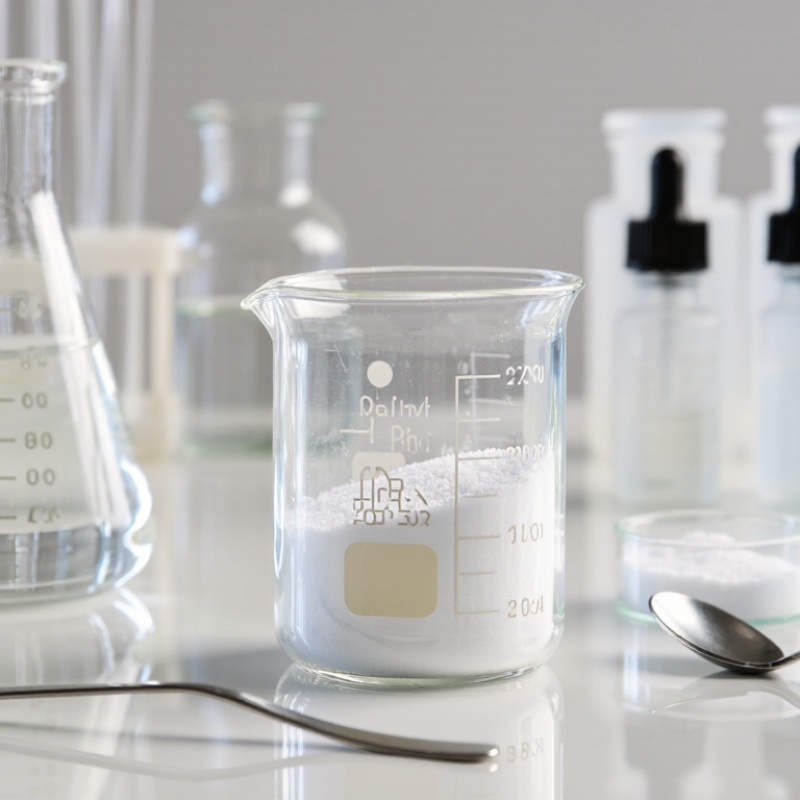
What 99% Pure Sodium Ascorbyl Phosphate Powder Is
Sodium ascorbyl phosphate, often shortened to SAP, is a water-soluble derivative of vitamin C. Chemically, it combines an ascorbate structure with phosphate and sodium groups. PubChem lists its molecular weight as 322.05 g/mol, a useful identifier when checking an ingredient specification. The European Commission’s CosIng database records antioxidant and skin-conditioning functions for this ingredient. In a formula, it is not identical to pure ascorbic acid. The phosphate form is designed for cosmetic formulation, though its performance depends on the finished product’s pH, packaging, and storage conditions.
“99% pure” describes the tested raw material’s assay, not the amount of active ingredient your skin receives. A finished serum may contain only a small percentage of SAP, alongside water, humectants, and stabilizers. Check whether the supplier provides a certificate of analysis, including assay method and batch results. Keep the powder dry; a damp scoop can introduce moisture and cause clumping. It is tempting to treat a high purity number as a promise of stronger results. It isn’t. Ingredient purity, formula stability, and skin response are different questions, and the last one varies from person to person.
2026 How to Use 99% Pure Sodium Ascorbyl Phosphate Powder? - What 99% Pure Sodium Ascorbyl Phosphate Powder Is
| Topic | Information | Practical Note |
|---|---|---|
| Ingredient identity | Sodium ascorbyl phosphate (SAP) is a water-soluble, phosphate-derived form of vitamin C used in cosmetic formulations. | It is a distinct ingredient from ascorbic acid; formulation behavior and use levels are not interchangeable. |
| Common chemical details | Commonly listed molecular formula: C6H6Na3O9P. Commonly listed molecular weight: approximately 322.05 g/mol. CAS Registry Number: 66170-10-3. | Confirm identity and specification against the supplier’s current documentation, since listings and grades can differ. |
| What “99% pure” means | A stated assay or purity of 99% indicates the measured SAP content under the specified test method and reporting basis. | Check the Certificate of Analysis (CoA) for the assay method, whether results are reported “as is” or on a dry basis, and relevant limits for moisture and impurities. |
| Appearance | Commercial SAP powder is commonly described as white to off-white, though appearance can vary by grade and supplier. | Do not use powder that is unexpectedly discolored, contaminated, or inconsistent with its specification. |
| Solubility | SAP is water-soluble and is generally incorporated into the water phase of a cosmetic formula. | Add gradually while mixing. Confirm complete dissolution and check the finished formula for clarity, stability, and compatibility. |
| Typical formulation starting range | Cosmetic supplier guidance commonly places use levels within approximately 0.2%–3%; the appropriate amount depends on the product and applicable regulations. | Treat this as a starting range, not a universal rule. Follow the ingredient supplier’s guidance and assess the finished product. |
| Example: 100 g batch | For a formula containing 1.00% SAP by ingredient weight, weigh 1.00 g of powder and include it in a 100 g finished batch. | If targeting 1.00% SAP assay content and the powder is confirmed to assay at exactly 99% on an as-is basis, the theoretical amount is about 1.01 g; adjust the water or other formula components to keep the batch at 100 g. |
| pH considerations | SAP is generally formulated in a mildly acidic to near-neutral range; a practical development target often used is around pH 6–7. | Check the supplier’s recommended pH range and measure the finished product. Strongly acidic conditions may affect ingredient stability or formula compatibility. |
| Basic mixing approach | Prepare the water phase, add SAP gradually with mixing, and adjust the formula to its target pH using a suitable, measured process. | Avoid assuming that heating is required. If heat is used for other formula ingredients, follow supplier guidance and assess stability after processing. |
| Stability and packaging | Stability depends on the complete formula, including pH, other ingredients, processing, storage conditions, and packaging. | Use suitable, well-closed packaging and conduct stability and compatibility testing; do not infer a shelf life from powder purity alone. |
| Quality and safe handling | Use cosmetic-grade material with a current CoA and safety documentation. Avoid inhaling powder and follow appropriate workplace hygiene practices. | Finished cosmetics require appropriate preservation, safety assessment, labeling, and compliance with local regulations. SAP powder is a formulation ingredient, not a ready-to-use skin product. |