10 Essential Tips for Choosing the Best Shower Caddy?
When it comes to organizing your bathroom essentials, a Shower Caddy is essential. This simple but effective tool can help declutter your space. Whether you have a small shower stall or a spacious tub, the right caddy makes a big difference.
Choosing the best Shower Caddy involves considering various factors. Look for materials that resist rust and mold. A caddy with multiple compartments can hold different items securely. Adjustable handles or hooks are crucial for convenience. You want something that fits well without overwhelming your space. Often, people overlook how a poorly chosen caddy can lead to frustration.
Finding a perfect Shower Caddy is about balancing needs and aesthetics. Think about your daily routine. How do you prefer to organize your toiletries? A caddy should not only serve its purpose but also enhance your bathroom's look. Remember, a well-chosen Shower Caddy makes your life easier and brings a sense of calm to your daily hygiene rituals.
Understanding Your Shower Space: Measuring and Space Considerations
When choosing a shower caddy, understanding your shower space is crucial. According to a report by the National Kitchen and Bath Association, 80% of homeowners prefer functional designs that optimize their space. Start by measuring your shower dimensions. Take note of height, width, and any built-in features, such as shelves or ledges. These measurements will guide you in selecting a caddy that fits securely without overcrowding your space.
Consider the overall layout of your bathroom. A cramped shower may require a caddy with a vertical design. On the other hand, spacious showers can handle wider caddies. The same report indicates that homeowners often overlook storage efficiency, leading to clutter. This can hinder your shower experience. A well-placed caddy can significantly improve accessibility and organization. Keep in mind the potential for water exposure. If your caddy isn't resistant to moisture, it could deteriorate quickly. Finding a balance between style and function is vital.
10 Essential Tips for Choosing the Best Shower Caddy
| Tip | Description | Measurement Consideration | Space Type |
| 1. Assess Your Space | Evaluate the size and layout of your shower area. | Width x Length x Height | Corner Shower |
| 2. Choose the Right Material | Select materials that withstand moisture. | Durability Rating | Standard Shower |
| 3. Consider Style | Find a caddy that matches your bathroom decor. | Aesthetic Appeal | Modern Bathroom |
| 4. Evaluate Storage Needs | Determine how many items you need to store. | Capacity | Family Shower |
| 5. Know Your Showerhead Height | Adjust caddy height according to showerhead position. | Height Adjustments | Tall Shower |
| 6. Portability Factor | Consider how easily you can move the caddy. | Weight | Travel Shower |
| 7. Look for Easy Installation | Choose caddies that are easy to install and remove. | Installation Method | Rental Shower |
| 8. Check for Rust Resistance | Opt for rust-resistant models to ensure longevity. | Material Composition | Moist Environment |
| 9. Inspect for Stability | Ensure the caddy provides stable and secure storage. | Support Features | Frequent Use |
| 10. Read Reviews and Ratings | Check feedback from other users to make a better choice. | User Ratings | General Use |
Types of Shower Caddies: Exploring Options for Your Needs
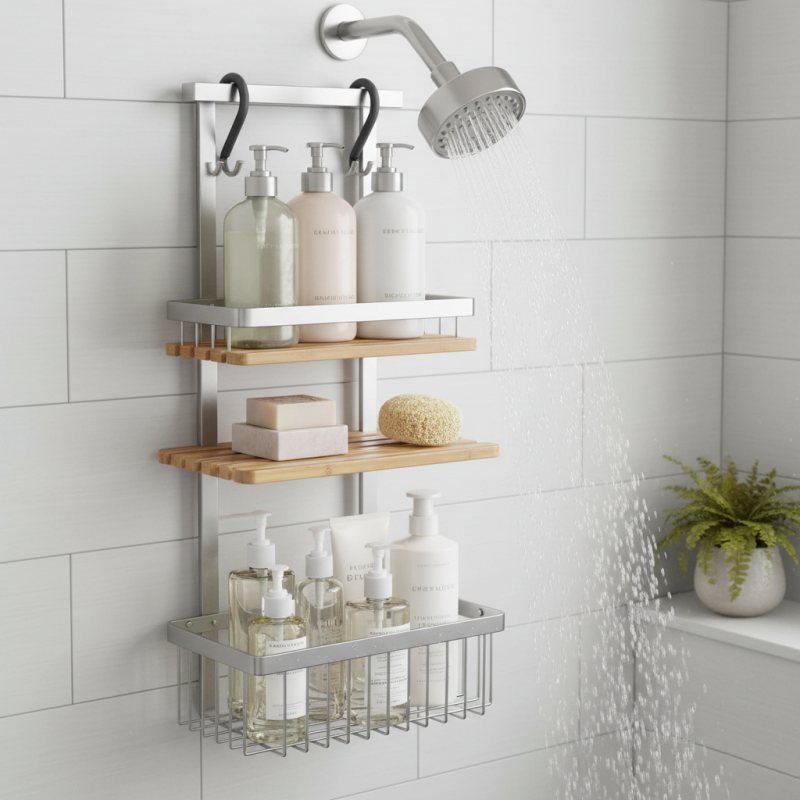
When it comes to selecting a shower caddy, understanding the various types available can greatly simplify your decision. Whether you have a small bathroom or ample space, a shower caddy can enhance organization. For instance, over-the-showerhead caddies are ideal for tight spaces. They provide easy access to your toiletries without requiring additional floor space.
Another option is corner caddies, which utilize underappreciated areas. They fit snugly into corners and often feature multiple shelves. This design allows for efficient use of vertical space, making it easier to store items. Some designs might struggle with stability, so it’s crucial to assess the weight limits before committing.
Wall-mounted caddies are another popular choice. These units can be fixed at your desired height, offering a custom solution. While they can be aesthetically pleasing, installation can pose a challenge for some. Ensure you have the right tools and follow guidelines carefully. Ultimately, your choice will depend on your specific needs and available space in your bathroom. Reflect on these factors before making a decision, as the right caddy can significantly improve your shower experience.
Material Matters: Choosing Durable and Water-Resistant Materials
When selecting a shower caddy, the material plays a crucial role. Durable and water-resistant materials ensure the longevity of the caddy. Plastic, stainless steel, and silicone are popular choices. According to a recent survey conducted by the National Home Goods Association, 75% of consumers prioritize material when buying shower accessories.
Plastic caddies are lightweight and affordable, but they may not withstand the test of time. Frequent exposure to water can lead them to warp or discolor. Stainless steel, while more robust, can rust if not treated properly. That means careful maintenance is essential. Silicone offers a flexible and mold-resistant option. It's also less likely to damage surfaces.
Consider the placement of your caddy. Some designs neatly fit over the showerhead, while others require wall mounting. Studies indicate that caddies hanging over the showerhead encounter less moisture. This design tactic helps prevent mold, making it a sensible choice. Ultimately, understanding the attributes and shortcomings of each material will lead to a more informed selection.
Material Durability Comparison of Shower Caddies
This chart compares the durability ratings of various materials commonly used for shower caddies. A higher rating indicates better durability and resistance to water damage.
Storage Features: Evaluating Shelving, Hooks, and Organization
When selecting a shower caddy, consider the shelving and hooks. Different layouts can significantly influence organization. Look for shelves with adjustable heights. This allows for flexibility, accommodating various product sizes. Some caddies emphasize open spaces, while others feature compartments. Both designs have pros and cons.
Hooks are another essential feature. They provide additional storage for hanging items like loofahs or washcloths. Organizing these items keeps them from cluttering the shelves. However, be wary of overloading hooks. Too much weight can lead to wear and tear, reducing the caddy’s lifespan.
Each caddy's organization method must fit your routine. A poorly organized caddy often leads to frustration. Think about your daily needs. Does the caddy help you access items easily? Assessing these storage features ensures you choose wisely. Remember, a well-structured caddy saves time and enhances your shower experience.
Installation and Compatibility: Ensuring a Secure Fit in Your Shower
When choosing a shower caddy, installation and compatibility are vital. You need a secure fit that prevents any unwanted movement. First, measure your shower space accurately. This ensures that your caddy will fit snugly. A loose caddy can lead to accidents, spilling soap or shampoo everywhere.
Consider the types of showerheads and fixtures you have. Some caddies attach around the showerhead, while others hang over the door. If your showerhead is high or angled, finding the right style is crucial. A caddy that doesn’t fit well can be a frustrating experience.
Here are some tips that may help. Always check the weight limit of your chosen caddy. Overloading it can cause it to fall. Look for materials that resist rust and are easy to clean. Stainless steel or coated plastic can be good options. Evaluate how easy it is to install the caddy. Some models may require tools, while others simply snap into place. Understanding these factors before making a purchase can save you a lot of hassle.