What Is a Customized Menstrual Cup?
A Customized Menstrual Cup is a reusable cup adapted to a person’s needs, rather than a one-size-fits-all product. Customization may involve cup length, diameter, firmness, capacity, or stem shape. These details matter in real life: a cup that feels comfortable while standing may feel different when sitting, exercising, or removing it. Small differences can count.
OB-GYN and author Dr. Jen Gunter’s evidence-focused approach offers a useful reminder: “Menstrual care should be guided by evidence and individual needs.” This is a concise summary, not a verbatim quotation. A customized cup should be described with clear product specifications, including its material, dimensions, care instructions, and limits. “Personal fit matters.” But customization does not guarantee comfort, prevent leaks, or suit every body. Anatomy, flow, and experience vary, and a cup may take practice to position and remove. That part is easy to understate.
This guide explains what customization can mean, which design choices are commonly offered, and what questions to ask before buying. Readers should check manufacturer instructions and seek qualified clinical advice for personal health concerns. A precise size chart helps. So does honest language about uncertainty. A better fit is a reasonable goal, not a promise.
What Defines a Customized Menstrual Cup?
What Is a Customized Menstrual Cup?
What Defines a Customized Menstrual Cup?
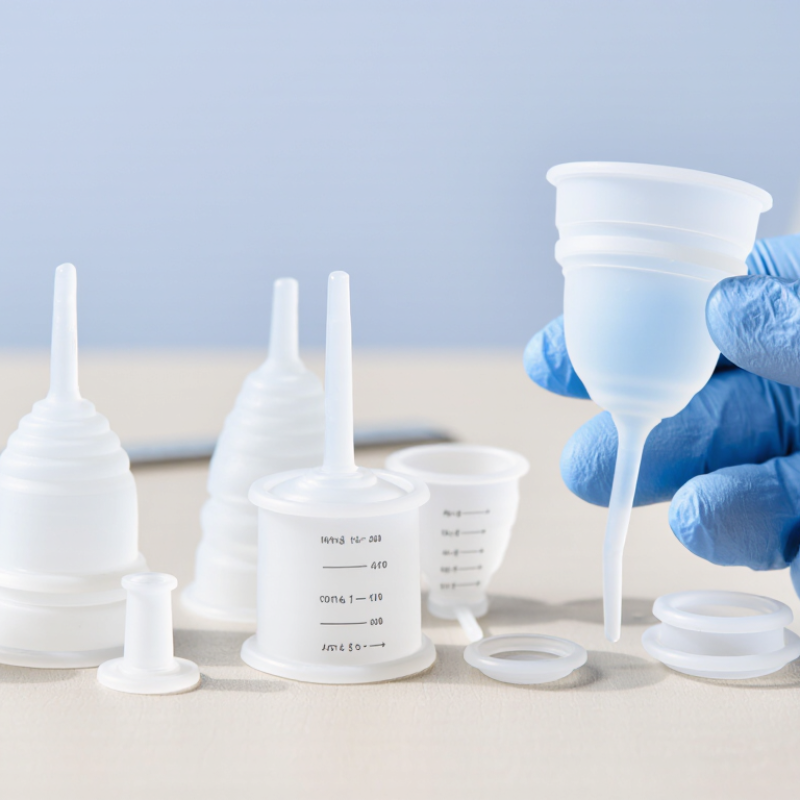
A customized menstrual cup is designed around specific fit preferences rather than a single standard shape. Customization may involve cup length, width, firmness, capacity, rim shape, or stem style. These details can affect how easily a cup opens, feels, and is removed.
Fit is personal. Cervix height, menstrual flow, and sensitivity to pressure can all matter. For example, someone with a lower cervix may prefer a shorter cup, while a person with heavier flow may value greater capacity. A softer cup may feel gentler, but can be harder to open for some users. Small differences matter.
Material and construction also help define a customized cup. Users may look for body-safe, flexible materials and a smooth surface that is easy to clean. Clear sizing information is useful, though it cannot guarantee a perfect fit. The wording can be fuzzy. “Customized” does not always mean a cup was individually molded; it may simply offer several design options. Personal needs can change, too, so choosing a cup often involves some careful trial and reflection.
What Defines a Customized Menstrual Cup?
Cup customization can account for capacity, diameter, firmness, stem length, and material. The chart shows illustrative capacity options; actual capacity varies by cup design, and these values are not standardized size categories.
How Menstrual Cups Are Customized
What Is a Customized Menstrual Cup? How Menstrual Cups Are Customized
A customized menstrual cup is designed to suit a person’s comfort and practical needs. Customization usually happens during product design, not through home alterations. Manufacturers may offer different capacities, diameters, lengths, firmness levels, and stem shapes. These options can reflect differences in flow, anatomy, or hand comfort. A softer cup may feel gentler, while a firmer rim may open more easily for some users. Neither option works best for everyone.
Customization also involves materials, surface finish, and quality checks. Reputable makers should identify the cup’s material and provide clear cleaning instructions. To assess fit, consider cervix height, activity, and whether removal feels manageable. A size label alone cannot predict fit. Even careful selection may involve trial and adjustment. That is worth acknowledging. A cup should not cause persistent pain; stop using it and seek advice from a qualified health professional if discomfort continues. Do not cut or reshape a cup unless its instructions explicitly allow it.
Tips: Check the cup’s stated length and capacity, and follow its care instructions. If fit remains difficult, ask a health professional familiar with menstrual products.
What Is a Customized Menstrual Cup? - How Menstrual Cups Are Customized
| Customization Dimension | What May Vary | How It Can Affect Fit or Use | What to Check |
| Size and length | Overall cup length, diameter, or available size options. | A cup that suits a person’s anatomy may be more comfortable and easier to position or remove. | Compare the cup’s measurements with the maker’s sizing information; size labels are not standardized across products. |
| Capacity | The volume the cup can hold, often stated in milliliters. | Capacity may influence how often the cup needs to be emptied, depending on an individual’s flow and the cup’s fit. | Look for a stated capacity and measurement markings. Follow the product instructions for wear and emptying. |
| Firmness | How flexible or firm the cup is; some product ranges offer different firmness levels. | Firmness can affect how easily a cup opens and how it feels. Preferences and comfort vary from person to person. | Check whether firmness is described by the maker. There is no universal firmness scale. |
| Stem or removal feature | A stem may be straight, loop-shaped, shorter, or absent, depending on the design. | The removal feature can affect grip and comfort. A stem should not be used to pull a cup out before its seal is released. | Follow the product directions. If a stem causes discomfort, check whether trimming is permitted and how to do it safely. |
| Material | Common materials include silicone and thermoplastic elastomer (TPE); material options depend on the product. | Material can influence flexibility, feel, and care requirements. | Review the material description and cleaning instructions. Do not assume every cup is made from the same material. |
| Color and appearance | Some products are offered in different colors or finishes. | This is generally an appearance preference and does not determine cup size or capacity. | Check the product information for the materials and colorants used. |
| Personal fit guidance | Selection advice may consider comfort, anatomy, flow, or personal preferences. | Guidance can help narrow down available options, but it cannot guarantee a perfect fit. | Use product sizing guidance as a starting point. A menstrual cup should not cause persistent pain or discomfort. |
Note: “Customized” often means choosing among available sizes, firmness levels, materials, or design features; it does not necessarily mean that a cup is individually manufactured to order. Options differ by product, so check its specifications and instructions before use.
Which Design Features Can Be Personalized?
A customized menstrual cup can vary in dimensions, firmness, capacity, and stem shape. Length and diameter affect how the cup sits and whether it feels comfortable during removal. A shorter body or trimmed stem may suit some users, while a wider rim or firmer body may help others achieve an effective seal. Small changes matter. Capacity is another design choice, but it should not replace medical advice for unusually heavy bleeding.
73%
A 2019 systematic review in The Lancet Public Health examined 43 studies involving 3,319 participants. Among 1,144 participants in 13 studies, 73% said they would continue using a cup after becoming familiar with it. The review supports considering user experience, but it does not establish one ideal shape for everyone.
Personalization might include a softer body for pressure sensitivity, grip-friendly ridges, or a stem with a different length or profile. Materials and pigments also need appropriate safety and quality testing. Fit is not a simple equation. Even a thoughtful design may need revision after real-world use, and that is worth acknowledging.
Materials and Manufacturing of Customized Cups
What Is a Customized Menstrual Cup?
Materials and Manufacturing of Customized Cups
A customized menstrual cup can differ in length, rim shape, capacity, or firmness. Material choice affects how a cup flexes, seals, and feels during insertion and removal. Medical-grade silicone is commonly used because it can be molded into soft, flexible forms. Some products use thermoplastic elastomers, which have different flexibility and processing characteristics.
The exact grade matters; a material name alone does not prove suitability for body contact. Small details matter.
Manufacturing usually begins with a design that specifies dimensions and material properties. In injection molding, material is heated, shaped in a mold, and cooled. Mold condition and process settings can affect surface finish and consistency.
A rough edge or uneven rim may cause discomfort, so finished cups need careful visual and dimensional checks. Material and production testing should support claims about cleanliness, durability, and intended use.
Customization is not automatically better. A shape that works well for one person may not suit another, and fit can be difficult to predict from measurements alone. Manufacturers should document design changes and explain how each version is evaluated.
Even small adjustments deserve review.
Fit, Safety, and Care Considerations
What Is a Customized Menstrual Cup?
A customized menstrual cup is chosen or adjusted to suit a person’s anatomy and menstrual flow. Fit may depend on cervix height, comfort, and how the cup opens, not just age or childbirth history. A qualified clinician or fitting professional can help assess these details. “Custom” does not guarantee a perfect fit. A fitting can miss the mark, and bodies may feel different across cycles.
A well-fitting cup should sit comfortably and form a gentle seal without persistent pressure or pain. If you have pelvic pain, unusual bleeding, or difficulty inserting or removing a cup, stop and seek medical advice. People with an IUD can ask their clinician about cup use; release the seal before removal, and never pull on the IUD strings. Stop using the cup and get urgent care for sudden severe symptoms, such as fever, rash, or dizziness. These signs are uncommon, but worth knowing.
Wash your hands before handling the cup. Follow its care instructions, including how long to boil it between cycles; more cleaning is not always better. Avoid scented products that may irritate sensitive tissue. Let the cup dry fully, then store it in a clean, breathable pouch. Check for cracks, sticky patches, or changes in texture. Replace a damaged cup. Small details matter. A little trial and error may be part of finding a comfortable routine.