What is Cpvc Piping and Why is it Preferred for Global Buyers?
Cpvc piping has gained significant popularity among global buyers in recent years. This versatile solution offers numerous advantages over traditional materials. Recognized for its durability and resistance to corrosion, Cpvc piping ensures a longer lifespan in various applications. As a result, many industries are now shifting towards this innovative choice.
The unique properties of Cpvc piping make it suitable for high-temperature and high-pressure applications. Many manufacturers appreciate its lightweight nature, which simplifies transportation and installation. Moreover, its low thermal conductivity helps maintain optimal temperatures in plumbing systems. This characteristic can lead to energy savings for businesses.
Despite these advantages, some concerns exist regarding the long-term performance of Cpvc piping. Buyers should consider potential degradation from UV exposure if installed outdoors. Listening to experienced installers can help mitigate such risks. Ultimately, understanding these nuances allows for informed decisions in selecting Cpvc piping for diverse projects.
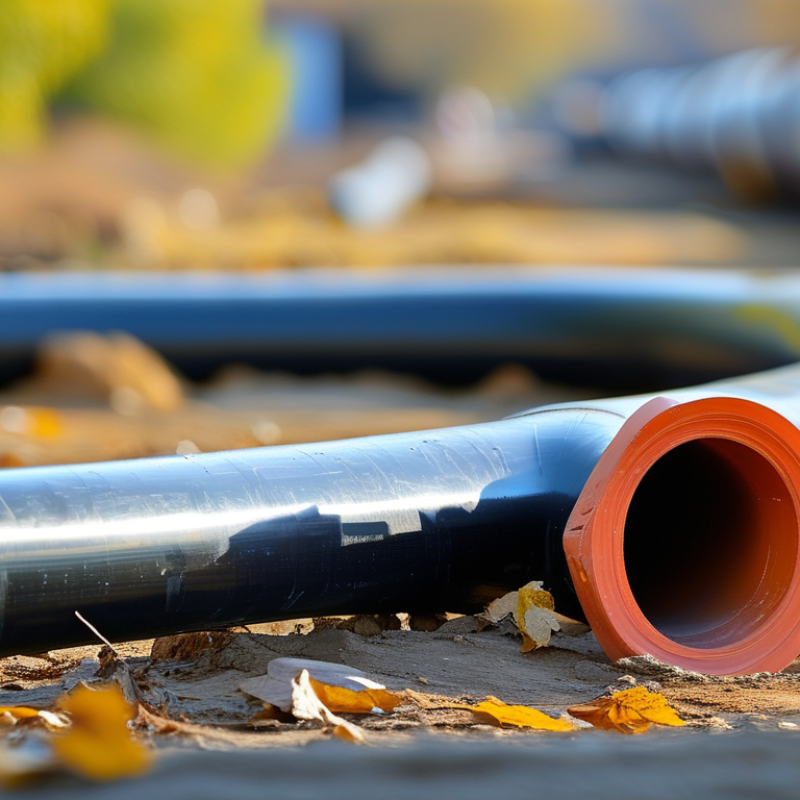
What is CPVC Piping and Its Composition in the Construction Industry
CPVC piping, or Chlorinated Polyvinyl Chloride, is a popular choice in the construction industry. It stands out due to its unique composition, which combines the durability of PVC with the strength of chlorination. This results in a material resistant to high temperatures and corrosion. Many professionals appreciate its versatility for various applications.
The formulation of CPVC includes additives that enhance its performance. These additives can improve its impact resistance and flexibility. This combination makes CPVC suitable for both residential and commercial projects. Some installations face challenges, such as joint leaks or thermal expansion, but proper handling techniques can mitigate these risks.
Construction experts often highlight how CPVC meets stringent safety standards. Its ability to withstand harsh chemicals also positions it favorably against traditional piping materials. While its installation may require specific skills, many find that the benefits outweigh the learning curve. As global buyers look for reliable piping solutions, understanding the nuances of CPVC becomes essential. This knowledge not only facilitates better project outcomes but also reinforces trust in material performance.
Key Advantages of CPVC Piping Over Traditional Materials in Applications
CPVC piping has become a go-to solution in various industries due to its unique advantages. One of its key benefits is its outstanding resistance to corrosion. Unlike traditional materials, CPVC does not rust or degrade when exposed to harsh chemicals. This property makes it ideal for chemical processing plants and wastewater applications. Additionally, CPVC withstands high temperatures, often up to 200 degrees Fahrenheit. This thermal stability is crucial for many industrial processes.
Another remarkable feature of CPVC piping is its lightweight nature. This characteristic allows for easier installation and reduces transportation costs. Workers can handle CPVC pipes more efficiently, resulting in quicker project completions. Furthermore, the smooth interior of CPVC reduces friction loss, enhancing flow efficiency. This efficiency can lead to significant energy savings over time. It is worth noting that while CPVC offers numerous benefits, improper installation can lead to issues. Proper training and guidelines are essential.
Overall, CPVC piping stands out due to its durability and efficiency. Users should remain aware of installation practices to maximize its advantages. By understanding these aspects, buyers can better navigate their options in piping materials.
What is Cpvc Piping and Why is it Preferred for Global Buyers?
| Feature | CPVC Piping | Traditional Materials |
| Temperature Resistance | Up to 200°F (93°C) | Typically up to 140°F (60°C) |
| Corrosion Resistance | Excellent | Poor |
| Weight | Lightweight | Heavy |
| Installation Cost | Low | High |
| Lifespan | 50+ years | 20-30 years |
| Chemical Resistance | Superior | Limited |
| Applications | Hot water systems, industrial fluids | Cold water systems, drainage |
Global Market Trends: CPVC Piping Demand and Price Forecasts
The demand for CPVC piping is rising globally, driven by its durability and resistance to corrosion. According to a recent industry report, the CPVC piping market is expected to grow at a compound annual growth rate (CAGR) of 5.8% from 2023 to 2030. This growth trend indicates a significant shift toward more reliable and cost-effective piping solutions.
As construction and infrastructure projects expand worldwide, CPVC piping is gaining popularity. Its ability to handle high temperatures and chemical resistance makes it ideal for various applications. In regions such as Asia-Pacific, demand is increasing due to urbanization and industrial growth. However, supply chain challenges and fluctuating raw material costs may impact pricing and availability over the next few years.
Market analysts note that while CPVC piping offers numerous advantages, the investment required for installation can be a consideration for buyers. With projects facing budget constraints, it’s crucial to evaluate the long-term benefits of CPVC versus initial costs. Comprehensive market analysis reveals that, while short-term prices may fluctuate, the overall trend suggests a stable pricing forecast for high-demand regions.
Durability and Chemical Resistance of CPVC Piping: Industry Statistics
CPVC piping has gained significant traction in the industry due to its remarkable durability and chemical resistance. According to a report by the American Society for Testing and Materials (ASTM), CPVC exhibits excellent resistance to corrosive chemicals, which makes it suitable for industrial applications. In fact, it can withstand temperatures up to 200°F (93°C) and has a tensile strength of around 8,000 psi, making it more resilient than traditional PVC piping.
Statistics from the Plastics Pipe Institute indicate that CPVC piping systems can last over 50 years with minimal maintenance. This longevity is crucial for global buyers assessing long-term investments. Many industries have noted a reduction in repair costs by over 30% when switching from metal systems to CPVC, reflecting its overall cost-effectiveness. While the initial installation may seem more expensive, the savings over time often justify the upfront costs.
However, some challenges exist. Fluctuations in raw material costs can impact pricing unpredictably. Additionally, not all installations follow best practices, leading to potential failures. Despite these concerns, CPVC's overall performance in challenging environments solidifies its reputation as a preferred choice for many applications. The data supports a shift toward CPVC, but careful awareness of installation practices remains essential.
Installation Benefits and Cost Efficiency of CPVC Piping in Projects
CPVC piping has gained popularity in many global projects due to its numerous installation benefits and cost efficiency. Unlike traditional materials, CPVC is lighter and easier to handle, reducing labor costs significantly. Research indicates that using CPVC can lower installation times by 30%, leading to faster project completion. Its resistance to corrosion also means minimal maintenance expenses over time.
One of the critical cost efficiency factors is the thermal efficiency of CPVC. The material provides excellent insulation, reducing energy costs for heating and cooling systems. According to industry reports, projects using CPVC can achieve savings of up to 40% in terms of energy consumption. This is a substantial figure for large-scale constructions, where every dollar counts.
When considering CPVC for your next project, ensure that you're aware of local building codes. Some regions have specific regulations regarding pipe materials. Furthermore, while CPVC offers numerous advantages, the long-term environmental impact of plastic should be considered. Always explore alternative materials and assess which aligns best with your project's goals.