
How to Choose a Bottle Sterilizing System?

Choosing a Bottle Sterilizing System is not simply a matter of comparing cycle times or equipment prices. The right choice depends on the bottles you use, your daily workload, available space, and the cleaning process before sterilization. A system designed for a small clinic may not suit a busy production line. Small details matter. Bottle shape, neck size, material, and closures can all affect compatibility, so check the manufacturer’s specifications before making a decision.

Look closely at the validated cycle, loading capacity, temperature control, and drying method. Ask how performance is monitored and what routine maintenance involves. Clear operating instructions and accessible service support are valuable, especially when staff need consistent results across shifts. A fast cycle is helpful, but only when it matches the bottle type and documented process. That distinction is easy to overlook. Also consider installation requirements, water and power use, and the space needed for clean storage after treatment. These practical details can shape daily workflow more than a feature list suggests.

No single system fits every setting. Compare options against your actual bottle sizes and expected throughput, then confirm that suppliers can provide relevant technical documentation. If possible, review the equipment in operation or request a demonstration using representative bottles. A careful choice may take longer. It can also prevent avoidable bottlenecks, unclear procedures, and mismatched equipment later. When requirements are uncertain, pause and verify them rather than relying on assumptions.
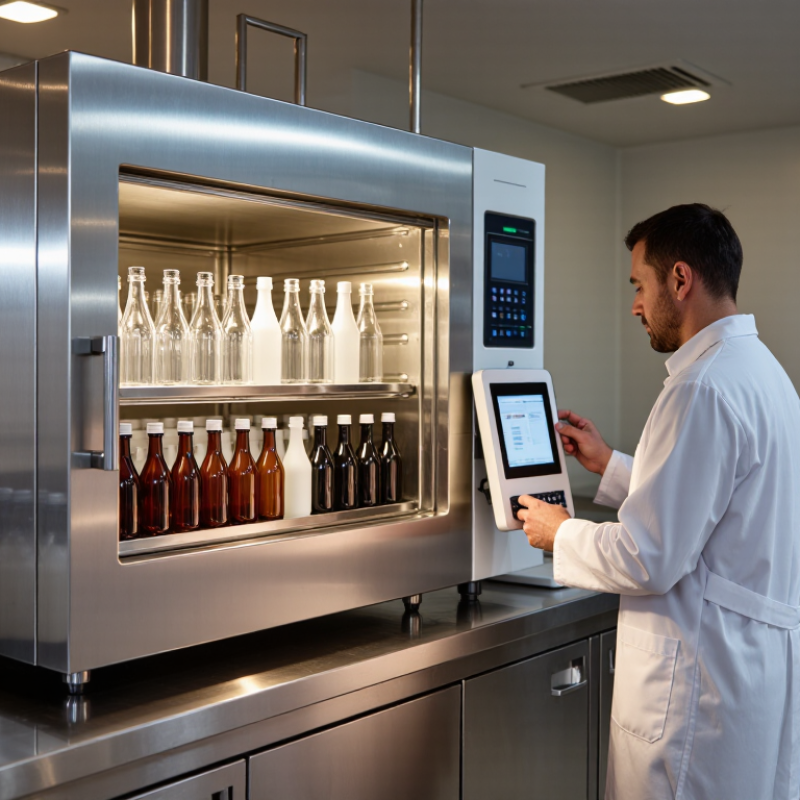
How to Choose a Bottle Sterilizing System?

What Is a Bottle Sterilizing System?

A bottle sterilizing system is equipment designed to reduce harmful microorganisms on feeding bottles and compatible parts after they have been thoroughly washed. Many home systems use steam, while others use ultraviolet light or another specified process. Their design may include a chamber, rack, controls, and space for bottle nipples, caps, or pump components. The exact method matters: “sterilizing” is often used casually, but products do not all achieve the same level of microbial control. That distinction matters.

In practical use, a system should fit the items you actually clean. Check whether bottles can stand upright without touching the heating surface, and whether narrow-neck parts receive the process properly. A visible water reservoir, clear cycle controls, and removable racks can make routine use easier. Drying also matters; damp parts left in a closed chamber may need extra attention. Follow the equipment and bottle instructions, since heat or light may not suit every material. It is tempting to choose by capacity alone, but a large unit can be awkward on a crowded counter. A smaller unit may mean more cycles. Real kitchens are rarely as tidy as product photos.

Which Bottles and Sterilization Needs Must You Consider?

Start with the bottles you actually use, not just the system’s advertised capacity. Check their material, height, width, neck shape, and any valves or removable parts. Glass usually tolerates heat, while some plastics may warp; confirm care instructions for each bottle. A narrow-neck bottle can look clean outside but still trap residue around its base or threads.

Consider what “sterilizing” means for your situation. Routine home use may require a different process from clinical or laboratory work. Match the system’s cycle and capacity to the required level of microbial control, and follow the bottle maker’s instructions. Check drying and storage too: wet bottles left assembled can be recontaminated. It is easy to overlook lids and small accessories, so include them in your assessment.

Tips: Measure your tallest bottle and widest lid before buying. Check whether bottles can stand upright without touching the chamber walls. If requirements are unclear, ask a qualified infection-control or equipment professional; guessing is not a dependable process.

How Do the Main Sterilization Methods Differ?

How to Choose a Bottle Sterilizing System?
How Do the Main Sterilization Methods Differ?

Steam systems use hot vapor to treat bottles and smaller parts. Electric units heat water in a chamber, while microwave systems need a microwave-safe container. Both can be convenient at home, but they require power or a suitable microwave. Steam can also leave items hot and damp. Let parts cool before handling, and dry them as directed.

Boiling uses a pot of water, so it needs little equipment. Check that bottle components tolerate boiling, and keep them fully submerged for the time recommended by their manufacturer. Chemical soaking works without heat, but requires careful measuring and a full soak period. Follow product directions for rinsing or air-drying. UV systems can be quick, yet light may not reach surfaces hidden behind opaque parts or inside narrow openings. No single method fits every setup. Cleaning comes first; sterilizing does not remove milk residue.

Tips: Compare cycle time, capacity, drying needs, and part compatibility. Keep a simple timer nearby. One easy-to-miss detail is storage: handled or wet parts can become contaminated again, so use clean hands and a clean, covered space.

How to Choose a Bottle Sterilizing System? — How Do the Main Sterilization Methods Differ?

Method How It Works Typical Process Conditions Main Advantages Limitations and Material Considerations Best Fit
Saturated steam Moist heat denatures microbial proteins. Steam must contact the surfaces being treated; trapped air can reduce effectiveness. Common autoclave cycles use saturated steam around 121°C. Exposure time is set and validated for the load, packaging, and cold spot; the full cycle also includes air removal, heating, and cooling. Well-established process; effective against a broad range of microorganisms when the cycle is properly designed and validated. No chemical sterilant residue. Requires bottles and closures that tolerate heat, moisture, and pressure. Bottle shape, loading, and trapped air affect heat penetration. Wet loads or rapid temperature changes can cause problems. Heat-resistant glass bottles and compatible equipment where moisture and pressure are acceptable.
Dry heat Hot air inactivates microorganisms through prolonged heating and oxidative damage. Common operating temperatures are approximately 160–180°C, with exposure times generally measured in hours. The validated cycle depends on the load and equipment. No moisture is introduced, and there is no chemical sterilant residue. Can suit heat-stable glass and metal components. Typically slower to heat and cool than steam. High temperatures can damage plastics, elastomers, coatings, and some closures. Airflow and load arrangement affect uniformity. Heat-stable bottles or components that should remain dry and can tolerate a longer, high-temperature cycle.
Hydrogen peroxide vapor or gas A controlled hydrogen peroxide process exposes surfaces to a sterilizing agent, often in a low-temperature system. Concentration, humidity, temperature, exposure, and aeration vary by system and load. Use the equipment supplier’s validated cycle rather than a single universal set point. Can treat heat-sensitive packaging and is used in some high-speed packaging applications. Residual peroxide can be reduced through a validated aeration or breakdown stage. Penetration and performance depend on geometry, materials, and process design. Residual control, ventilation, worker safety, and material compatibility must be addressed. Compatible bottles or packaging in low-temperature processes where the system can reliably expose the required surfaces.
UV-C light Germicidal ultraviolet light damages microbial genetic material on surfaces receiving sufficient direct exposure. Effectiveness depends on the delivered UV dose, lamp output, distance, exposure time, and surface condition; there is no universal dose for every bottle and organism. Fast, dry, and chemical-free. Useful for exposed surfaces and applications where bottles can be positioned for direct illumination. Shadows, bottle necks, curved surfaces, dirt, and opaque materials can block or reduce exposure. UV-C often provides surface disinfection, not a validated sterilization process for every bottle interior. Exposed surfaces or supplementary treatment when line-of-sight and the required level of microbial control can be demonstrated.
Ozone gas Ozone oxidizes microorganisms on surfaces that receive an adequate concentration and exposure. Concentration, humidity, temperature, and exposure time are process-specific and must be validated for the bottle, load, and target organisms. Can be generated on site and leaves no persistent sterilant when it decomposes, although the process still requires controlled treatment and aeration. Gas distribution and humidity influence performance. Ozone is hazardous to breathe and can damage susceptible elastomers, coatings, and other materials. Specialized systems with validated gas distribution, suitable materials, and effective containment and aeration.

Selection note: Match the method to the bottle material, bottle geometry, required microbial assurance level, throughput, and available utilities. Process temperatures and cycle details shown are indicative, not guaranteed operating instructions. A sterilization claim requires a validated process for the actual bottle, load, and equipment.

What Capacity, Safety, and Compatibility Features Matter?

How to Choose a Bottle Sterilizing System?

Capacity should match your daily routine, not just the number of bottles in the product photo. Count bottles, nipples, rings, and pump parts, then check whether they fit without blocking steam vents. A crowded rack can leave items unevenly exposed. Small details matter. Confirm that the system supports each item’s material and follow the item maker’s heat-care instructions; some parts may not tolerate steam.

Safety features deserve equal attention. Look for clear cycle indicators, automatic shutoff, stable placement, and a lid that directs steam away from hands. WHO’s 2015 estimates attributed 600 million illnesses and 420,000 deaths annually to foodborne hazards worldwide; this is not bottle-specific, but it shows why careful hygiene matters. CDC guidance recommends daily sanitizing for feeding items used by infants under two months, premature infants, or babies with weakened immune systems. A sterilizer adds a step; it does not replace thorough washing.

Tips: Measure shelf space and check the power cord’s reach before buying. Review cleaning instructions for the chamber, too. Mineral scale can build up, and an easy-to-clean unit is more likely to stay in regular use.

How Can You Compare Costs and Maintenance Requirements?

A purchase price tells only part of the story. Compare each system by its cost per cycle, not just its initial quote. Include electricity, water, detergent, replacement filters, and any required testing supplies. A unit that uses less water may still cost more if its parts need frequent replacement. Small details matter.

Estimate your daily bottle load, then check whether one cycle can handle it without delaying the next batch. Ask how often seals, filters, and sensors need inspection, and whether routine cleaning requires special tools. Review service intervals and the price of common replacement parts before buying. For example, a hard-water site may need more frequent descaling than a facility with treated water. That changes the real maintenance budget. Not always obvious. Keep a simple log of cycle counts, cleaning, faults, and part changes during a trial period. It can reveal costs that a short demonstration misses. Some estimates will still be imperfect; usage varies, and staff routines are hard to predict. Compare written maintenance instructions with the time your team can realistically spare. A system is less economical if routine care is often postponed.

How to Choose a Bottle Sterilizing System?

Typical Purchase and Annual Running Costs (USD)

Cost ranges are illustrative estimates, not fixed prices. Electric and microwave steam systems have a higher upfront cost but generally modest running costs. Cold-water chemical sterilizing can cost more over time because tablets or solution need regular replacement. Boiling has low equipment cost if you already own a suitable pot; the estimate shown includes buying one. Actual costs depend on local prices, energy rates, usage, and maintenance needs such as descaling or replacing parts.

Call Now Button