How to Choose the Best Traffic Control Safety Vest for Your Needs?
Choosing the right Traffic Control Safety Vest can be challenging. These vests are essential for workers exposed to traffic and construction zones. Their primary purpose is to enhance visibility and ensure safety. However, not all vests are created equal.
When selecting a Traffic Control Safety Vest, consider your specific needs. The design, color, and reflective materials all impact visibility. Some vests are lightweight, while others offer more durability. Understand that comfort matters; an uncomfortable vest may not be worn consistently. This could lead to dangerous situations.
It's also crucial to assess compliance with safety standards. Different jobs may require different levels of visibility. Reflective strips should be bright and positioned correctly for maximum effect. An inadequate choice can compromise your safety. Reflect on your preferences and any past experiences with safety vests. Balancing practicality with safety should guide your choice.
Factors Influencing the Selection of Traffic Control Safety Vests
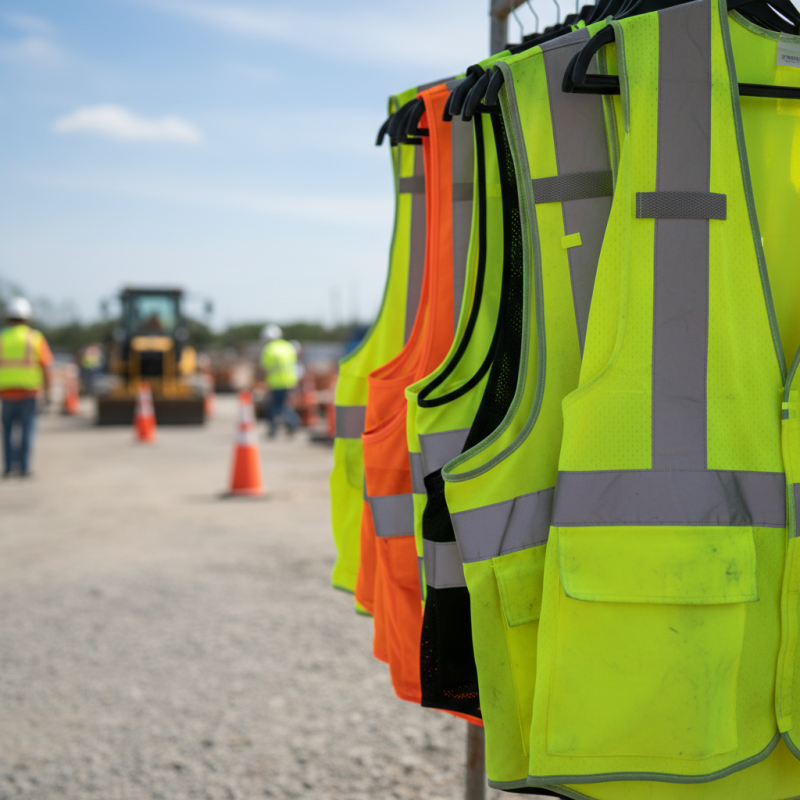
When selecting a traffic control safety vest, various factors come into play. The vest's visibility is paramount. According to the American National Standards Institute (ANSI), high-visibility colors like fluorescent yellow-green and orange are essential. These colors enhance visibility in both daylight and low-light conditions. Many studies show that a worker wearing an appropriate vest can be seen from over 1,000 feet away, significantly reducing roadside accidents.
The fit of the vest is another important aspect. A poorly fitting vest can restrict movement or be uncomfortable. Some data indicates that roughly 30% of workers report discomfort in their safety gear, leading to decreased compliance with safety protocols. Additionally, the material used can affect comfort and durability. Many vests are now made from lightweight, breathable fabrics, which can be critical in hot weather conditions.
Reflective material is also a key consideration. Depending on the work environment, a vest with more reflective stripes may be necessary. Some reports highlight that 70% of accidents occur in poorly lit areas. Using vests with proper reflective properties can therefore be a game-changer for safety. However, selecting a vest solely based on reflectivity may overlook size and design needs. Balancing these factors requires thoughtful consideration from each worker involved.
Understanding ANSI Standards for Visibility and Safety Compliance
When selecting a traffic control safety vest, understanding ANSI standards is crucial. These standards ensure that vests provide adequate visibility and protection for workers in various environments. ANSI 107 is the key standard, which defines the necessary color, design, and reflective properties of these garments. A high-visibility vest must have bright colors like neon yellow or orange. This color scheme enhances visibility during day and night.
Reflective elements are also essential. ANSI requires specific amounts of reflective material to be present. The different classes of vests reflect the environments they are suited for. Class 2 and Class 3 vests usually offer the highest levels of visibility. However, safety depends on more than just compliance. Various factors, like weather and work conditions, also matter. A vest that looks good on paper may not perform well in rain or fog.
Moreover, fit and comfort should not be overlooked. A poorly fitting vest can restrict movement. It can cause distractions, leading to potential safety hazards. Remember, a vest's usefulness goes beyond compliance; it protects lives. Always prioritize the right choice based on specific job requirements and environmental challenges.
Key Features to Look for in High-Visibility Traffic Vests
When selecting a traffic control safety vest, certain key features are essential. First, consider visibility. Vests should be bright and reflective. Look for high-visibility colors like fluorescent yellow or orange. Reflective strips increase safety at night or in low light. A vest might look bright in daylight but could be hard to see in dusk or dawn.
Next, focus on fit and comfort. A vest should allow for movement without being too loose. Breathable materials are ideal for warm weather. Fabrics should also be durable to withstand wear. Pockets may be essential for carrying tools. However, too many pockets can add bulk. The balance between functionality and comfort is crucial.
Lastly, whether working on a busy street or guiding traffic at events, quality matters. Consider where and how often the vest will be used. Cheap options might fray quickly. This can become a risk if the vest no longer offers proper visibility. Reflecting on your specific needs can guide you in making a safe choice.
How to Choose the Best Traffic Control Safety Vest for Your Needs? - Key Features to Look for in High-Visibility Traffic Vests
| Feature | Description | Importance |
| Material | Durable and weather-resistant materials, often polyester or nylon. | Ensures the vest lasts longer in various conditions. |
| Visibility | High-visibility colors (like yellow or orange) with reflective strips. | Crucial for being seen in low light or hazardous conditions. |
| Size Options | Available in various sizes to accommodate different body types. | Ensures a comfortable and appropriate fit for all users. |
| Pockets | Incorporates pockets for carrying tools or personal items. | Enhances functionality and convenience during work. |
| Breathability | Mesh panels or moisture-wicking fabric for airflow. | Keeps the user comfortable, especially in hot weather. |
| Compliance Standards | Meets ANSI/ISEA standards for high-visibility garments. | Ensures safety and legality during use. |
Evaluating Materials and Comfort for Long-Term Use in Various Conditions
Choosing the right traffic control safety vest requires careful consideration of materials and comfort, especially for long-term wear. High-visibility fabrics are essential. Look for vests made from lightweight, breathable materials. These fabrics help with moisture control, ensuring comfort over long periods. For outdoor use, consider vests that are treated to be water-resistant. Durability matters too. Check for reinforced seams and sturdy stitching.
Comfort is not just about fit. Choosing adjustable features can enhance wearability. A vest should allow freedom of movement, particularly for active jobs. Pay attention to the lining and inner materials. A soft lining can prevent chafing during extended use. Some users might find that the best vest isn't always the most visible but rather the one that feels good while working.
In various weather conditions, the vest's function becomes crucial. Hot, sunny days demand light colors. Cooler conditions may require additional layers beneath. Some users overlook the importance of breathability in humid settings. They should acknowledge how sweat can impact comfort during long tasks. Practical testing in the field can reveal strengths and weaknesses of specific vests. Finding the perfect vest involves some trial and error, ultimately enhancing safety and comfort on the job.
Traffic Control Safety Vests: Material Comfort vs. Visibility
This chart illustrates the comparison of different material types used in traffic control safety vests, evaluating their comfort and visibility levels for various conditions. The data is based on user feedback and expert recommendations.
Cost vs. Quality: Making an Informed Investment in Safety Gear
When selecting a traffic control safety vest, the balance between cost and quality is crucial. A lower-priced vest might save you money upfront, but could jeopardize your safety in low visibility situations. Quality vests usually adhere to standards that enhance durability and visibility. Opting for a reliable vest can decrease the risk of accidents, making it a worthwhile investment.
Choosing the right material matters. Breathable fabrics ensure comfort during long shifts. Consider reflective materials that perform well in various weather conditions. Inadequate features can lead to discomfort, ultimately impacting your job performance. It's vital to examine user reviews and expert opinions to assess the durability and efficacy of your choices.
Investing in a high-quality vest may seem costly initially. However, the long-term benefits often outweigh the price. Ensure it fits properly for maximum effectiveness. Remember, safety gear is not just an expense; it's a commitment to your well-being and that of others. Reflect on what features are essential for your specific needs. A thoughtful purchase could save lives.