How to Choose Artificial Wall Grass at the 2026 Canton Fair?
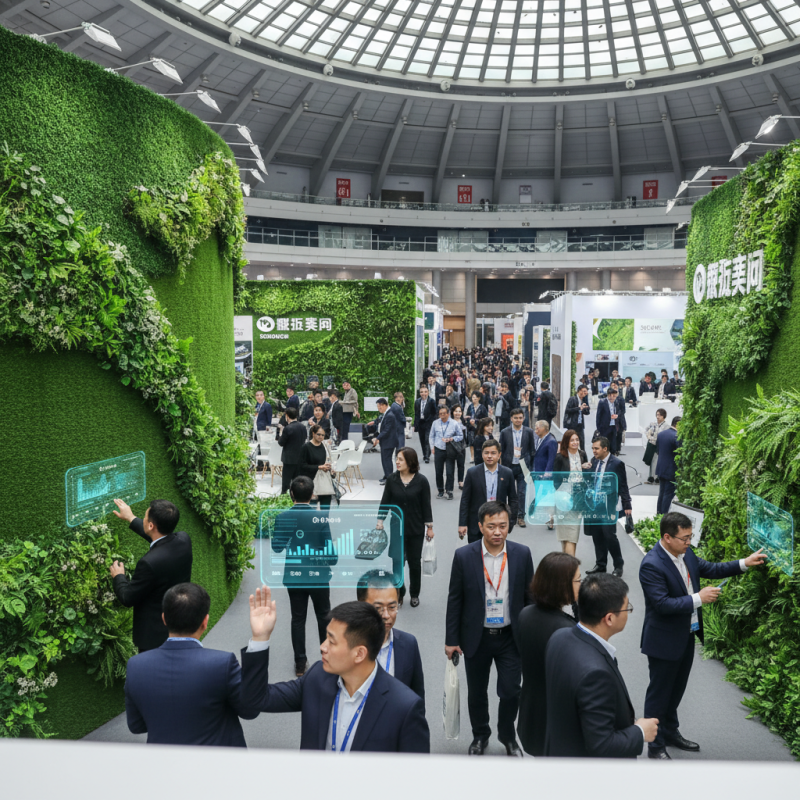
As we approach the 2026 Canton Fair, the interest in Artificial Wall Grass continues to grow. This innovative product serves various purposes, from enhancing indoor spaces to creating lively outdoor environments. Navigating the vast exhibition halls can be overwhelming, but the fair has introduced AI-driven features to simplify the experience.
With over 1.55 million square meters of exhibition space, finding the right supplier is crucial. Buyers can now use AI to filter suppliers by certifications, such as ISO or CE. This streamlined approach improves efficiency but still requires careful consideration. Selecting the proper Artificial Wall Grass involves understanding product quality and environmental implications.
While the AI tools enhance the search process, personal inspection remains essential. It's important to evaluate sample materials closely, as the appearance and texture may differ significantly. Observing products in person can reveal nuances that digital images might miss. Attendees should be prepared to ask challenging questions and compare options to make informed decisions. In the end, thoughtful selection will ensure the best results for any project involving Artificial Wall Grass.
Understanding the Different Types of Artificial Wall Grass Available
When choosing artificial wall grass, it's vital to understand the different types available. Options include polyethylene, polypropylene, and nylon. Each material has varied textures and durability. Polyethylene is common for its realistic look. It's soft and suitable for decorative uses. In contrast, polypropylene is more resilient, ideal for outdoor settings. It can withstand weather conditions better than others.
Consider the thickness when selecting. Thicker grass often appears more lush. However, it may also be heavier and more expensive. A balance is key; you want attractive wall grass without overwhelming your space. Testing color options is another important step. Natural tones can create a soothing ambiance. Bright greens might be too artificial for some tastes.
Tips: Always check the UV resistance. This will ensure your wall grass maintains its color for a longer time. Don't forget to consider the installation process, too. Some types may require professional help, adding to your costs. Evaluate your budget well. Mistakes can be costly. Do thorough research before committing to a purchase.
Evaluating Quality: What to Look for in Artificial Wall Grass
When evaluating artificial wall grass, quality is paramount. Look for realistic textures and colors. The materials used can significantly impact durability and appearance. According to industry reports, high-quality synthetic grass consists of polyethylene and polypropylene. These materials are UV-resistant and can withstand harsh weather conditions.
Examine the density of the fibers. Reports suggest that a higher fiber density leads to a more natural look. Aim for at least 60 ounces per square yard. This specification ensures that the grass maintains its lush appearance over time. Pay attention to the backing as well. A strong backing can prevent tearing and shifting, which are common issues with lower-quality products.
Consider your specific requirements when choosing wall grass. Indoor environments may require different features than outdoor settings. In 2023, a survey indicated that 35% of consumers faced challenges with fading colors. Choosing UV-stabilized grass can mitigate this risk. Not all products are created equal. Research is essential to avoid costly mistakes. While cheaper options may seem appealing, they often compromise quality.
Design Considerations: Matching Artificial Grass to Your Space
When choosing artificial wall grass, design considerations are crucial. The texture and color can either enhance or clash with your space. Consider the vibe you want to create. Do you aim for a vibrant, tropical feel? Or something more subdued and elegant? The right choice will set the mood.
Different styles of artificial grass suit various applications. For instance, lush, thick grass works well in expansive areas. In contrast, a finer texture may complement a small nook better. Pay attention to how the grass reacts to light. Some shades may appear too bright or too dull in certain lighting.
Placement also matters significantly. Grass on a sunny wall may fade quickly. On the flip side, a darker corner may make colors appear richer. Reflect on traffic patterns too. Areas with high foot traffic may require more durable options. Take your time to visualize. Consider how the grass will interact with other elements in your space.
Budgeting Tips: Cost Factors for Artificial Wall Grass at the Fair
When attending the 2026 Canton Fair, budgeting for artificial wall grass is crucial. Various factors can influence your costs. Size and design variations play a significant role. Standard sizes might cost less, but unique designs may require a higher budget. Take time to explore options and understand pricing differences.
Material quality also affects the price. Higher quality materials often come at a premium. However, they may offer better durability and a more realistic appearance. Look for samples to evaluate texture and weight. Consider what works best for your project.
Transportation costs should not be overlooked. Shipping artificial grass can add to the overall expense. Assess your location and shipping methods to find the most cost-effective solution. Ultimately, preparing a detailed budget that includes all these factors will lead to better decision-making at the fair. Keep an eye on your budget, but also remain flexible. Prices can vary significantly from vendor to vendor.
Cost Factors for Artificial Wall Grass at the 2026 Canton Fair
Sourcing and Negotiation: Connecting with Suppliers at the Canton Fair
Navigating the sourcing landscape at the 2026 Canton Fair can be daunting. Suppliers often showcase a diverse range of artificial wall grass. According to industry reports, the demand for synthetic landscaping materials has surged by over 30% in the last five years. This growth reflects a growing interest in aesthetics and sustainability in urban environments. However, not all products are created equal, and quality can vary significantly.
Engaging with suppliers is crucial. Prioritize face-to-face meetings to assess their commitment. Ask detailed questions about material sources and durability. Reports indicate that around 45% of buyers have had to return products due to misleading product descriptions. Take your time and inspect samples; this will help identify potential issues early on. While negotiation is important, establishing a solid relationship often yields better long-term advantages. Remember, losing sight of a supplier's customer service track record can lead to regrettable choices.