How to Choose and Use Jute Sacks for Eco-Friendly Storage Solutions
In an increasingly eco-conscious world, finding sustainable and environmentally friendly storage solutions has become essential for both households and businesses. One option that stands out for its practicality and minimal environmental impact is the Jute Sack. Made from natural fibers, jute sacks are not only biodegradable but also incredibly durable, making them ideal for various storage needs. As we navigate through the myriad of storage options available, understanding how to choose and use Jute Sacks effectively can enhance organization while promoting a greener lifestyle.
Jute Sacks offer a versatile solution for storing a wide range of items, from grains and vegetables to craft supplies and clothing. Their breathable material ensures that stored items remain fresh and free from moisture, making them perfect for both short-term and long-term use. In this guide, we will explore the benefits of Jute Sacks, including their sturdiness, eco-friendliness, and aesthetic appeal. By incorporating these natural storage solutions into our daily lives, we can significantly reduce our reliance on plastic while fostering a more sustainable future.
Understanding the Benefits of Jute Sacks for Eco-Friendly Storage
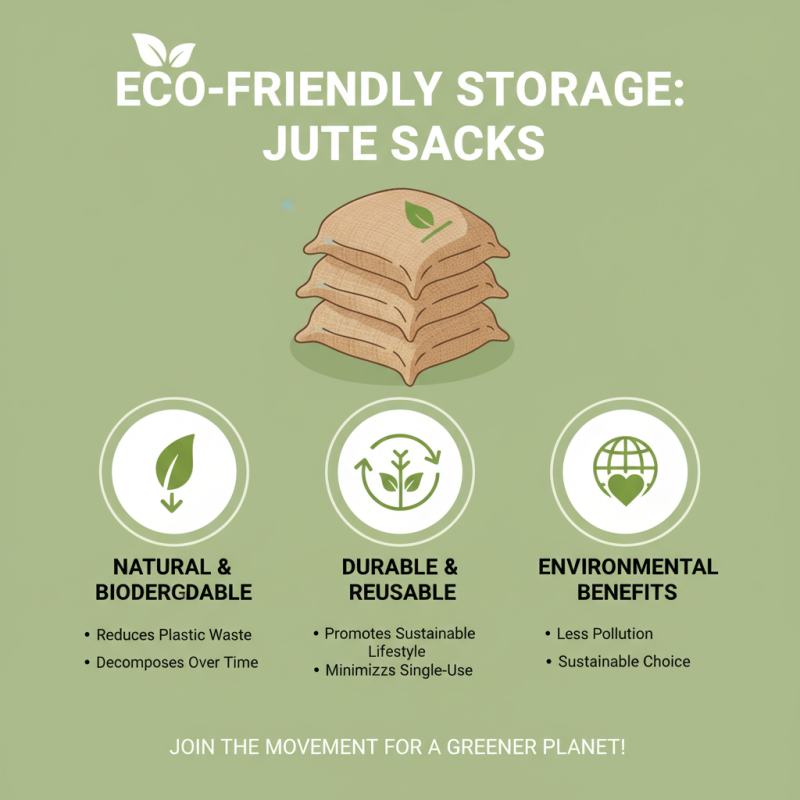
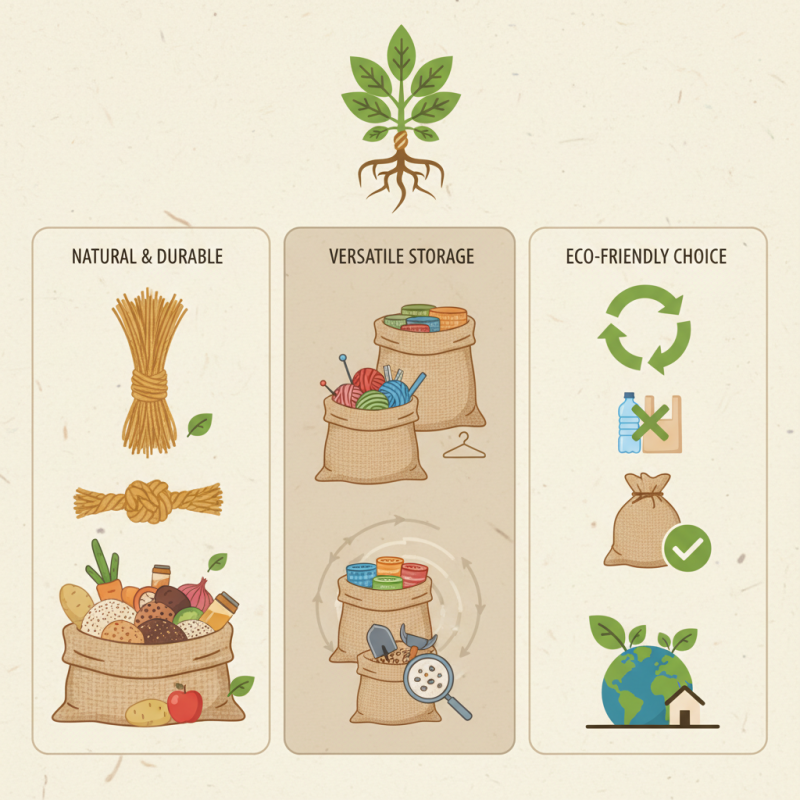
Jute sacks are becoming increasingly popular as an eco-friendly storage solution, largely due to their numerous benefits. First and foremost, jute is a natural, biodegradable material, which means that using jute sacks contributes to reducing plastic waste and environmental pollution. Unlike synthetic materials, jute decomposes over time, making it a sustainable choice for consumers who are conscious about their ecological footprint. Additionally, jute's durability allows for repeated use, thereby promoting a more sustainable lifestyle while minimizing the need for single-use options.
Another significant advantage of jute sacks is their versatility. These sacks can be used for a variety of storage needs, from organizing household items to storing food products like grains and dry goods. Their breathable fabric ensures that moisture is managed effectively, preventing mold and spoilage in stored items. Furthermore, jute sacks often feature a rustic aesthetic that can enhance home decor while serving a practical purpose. Overall, the combination of sustainability, durability, and versatility makes jute sacks an excellent choice for anyone looking to implement eco-friendly storage solutions in their home or workspace.
Selecting the Right Type of Jute Sack for Your Needs
When selecting the right type of jute sack for your needs, consider the specific purpose and the items you intend to store. Jute sacks come in various sizes and designs, which can influence their functionality. For instance, if you plan to store bulk grains or food items, opt for heavy-duty jute bags that are lined to prevent moisture ingress. Conversely, if you need a sack for gardening or seasonal storage, lighter jute bags with breathable characteristics are more suitable, as they will allow air circulation and help prevent mold.
Additionally, pay attention to the weave and stitching of the jute sack. A tighter weave will provide added durability and support for heavier loads, while a looser weave may be adequate for lighter items like clothing or decorative storage. Consider your aesthetic preferences too; jute sacks often come in natural tones that can add a rustic charm to any space. By carefully evaluating your storage needs and understanding the different types of jute sacks available, you can make an informed decision that balances practicality and sustainability.
Jute Sack Types and Their Popularity
Proper Techniques for Cleaning and Maintaining Jute Sacks
When it comes to keeping jute sacks in optimal condition, proper cleaning and maintenance techniques are essential.
Begin by regularly dusting off the sacks to prevent dirt and grime buildup. Use a soft brush or a damp cloth to gently remove any debris on the surface.
Ensure that no water seeps into the fabric, as jute is sensitive to moisture.
For deeper cleaning, it is advisable to hand wash the sacks with mild soap and lukewarm water.
Avoid using harsh chemicals, as these can degrade the natural fibers and compromise the durability of the sack.
After cleaning, it’s crucial to let the jute sacks dry thoroughly.
Hang them in a well-ventilated area away from direct sunlight to prevent fading and brittleness.
Additionally, it’s beneficial to store jute sacks in a cool, dry place when not in use to avoid mold growth.
If you notice any signs of wear and tear, such as fraying edges or small holes, consider reinforcing them with stitching or fabric patches instead of discarding the sacks.
By following these maintenance practices, you can extend the life of your jute sacks and maintain their eco-friendly appeal.
Creative Ways to Use Jute Sacks Beyond Storage
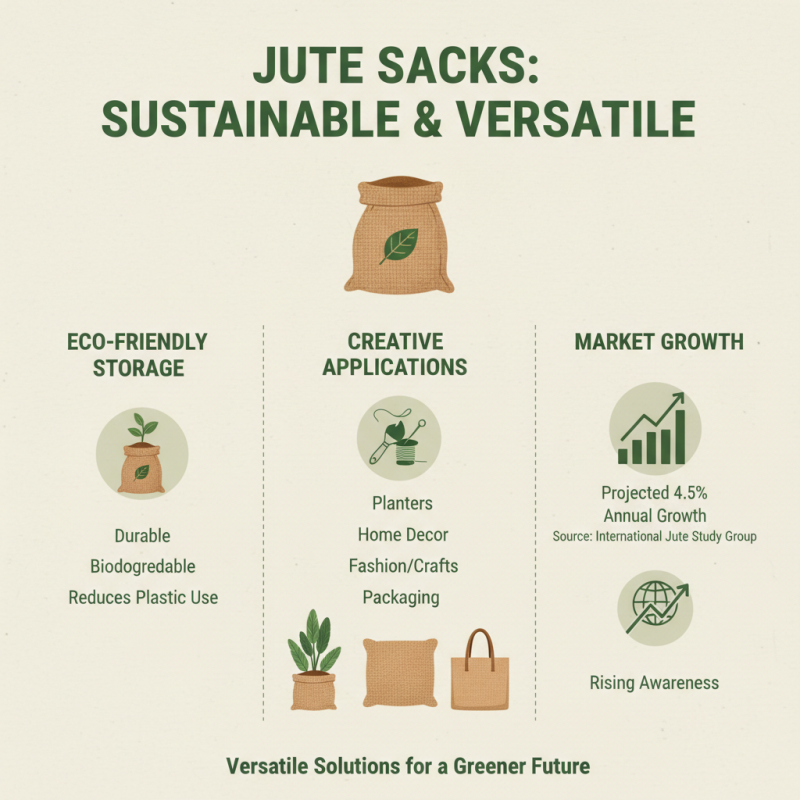
Jute sacks have gained popularity not only for their eco-friendly storage solutions but also for their versatility in various creative applications. Beyond traditional storage, these durable and biodegradable sacks can serve multiple purposes. According to a report by the International Jute Study Group, the market for jute products is projected to grow by 4.5% annually, highlighting the rising awareness of sustainable materials.
One inspiring way to repurpose jute sacks is by transforming them into unique plant pots. Simply cut a few drainage holes at the bottom and fill the sack with soil before planting. This method not only adds a rustic charm to your garden but is also beneficial for the plants since jute naturally allows moisture to escape, reducing the risk of overwatering.
**Tips:** When using jute sacks for crafts, make sure to wash them properly to remove any residual dirt or chemicals. Additionally, consider decorating them with non-toxic dyes or paints to express your creativity while keeping sustainability in mind. Another creative use is to fashion jute sacks into trendy tote bags or reusable shopping bags, combining style with eco-consciousness. Their sturdy nature ensures that they can hold weight while contributing positively to the environment. By exploring these innovative uses, you can help reduce waste while enhancing your home and lifestyle with jute's natural aesthetics.
Sustainable Disposal and Recycling Options for Jute Sacks
Jute sacks are becoming increasingly popular as eco-friendly storage solutions due to their biodegradable and renewable nature. However, proper disposal and recycling of these sacks is crucial for maintaining their sustainability benefits. According to the Jute Manufacturers Development Council, jute is a versatile natural fiber that can decompose within 60 days in compost conditions, significantly reducing its environmental impact when disposed of properly. Instead of being sent to a landfill, jute sacks can be composted along with organic waste or recycled, which can further minimize waste and promote the circular economy.
Recycling options for jute sacks include repurposing or donating them for reuse in various applications. Many local agricultural communities accept used jute sacks for seed storage, while crafters and artisans can transform them into reusable shopping bags, home decor, or crafts. A 2021 report by the Global Recycling Foundation highlights that recycling just one ton of jute can save up to 3.2 tons of CO2 emissions, illustrating the significant environmental benefits of recycling these materials. Furthermore, by opting for jute sacks for storage and ensuring that they are properly disposed of or recycled, consumers can contribute to reducing plastic waste and promote sustainable practices within their communities.
How to Choose and Use Jute Sacks for Eco-Friendly Storage Solutions
| Dimension |
Description |
Sustainability Benefit |
Recycling/Disposal Options |
| Medium (50 x 80 cm) |
Suitable for storage of grains, vegetables, and household items. |
Biodegradable, reduces plastic use. |
Can be composted or used in garden as mulch. |
| Large (70 x 100 cm) |
Ideal for storing laundry, toys, or other bulky items. |
Natural fiber, sustainable production. |
May be recycled into new jute products. |
| Small (30 x 40 cm) |
Perfect for organizing accessories, tools, or travel. |
Reduces reliance on single-use plastics. |
Easy to reuse, can be donated after use. |
| Custom Sizes |
Tailored to specific needs like bulk packaging for products. |
Support local artisans and eco-friendly practices. |
Check local jute recycling programs, if available. |