
Top Building Materials Trends for 2026 What Buyers Should Know

As we approach 2026, the landscape of Building Materials is rapidly evolving. Buyers can expect significant shifts in trends that will shape the industry. The focus is now on sustainability, advanced technology, and innovative designs. Understanding these changes is crucial for making informed decisions.

Sustainable building materials are gaining traction. Eco-friendly options are not just a trend; they are becoming a necessity. Many manufacturers prioritize recycled and renewable resources. This shift reflects a broader commitment to environmental responsibility.

Technology is also revolutionizing building materials. Smart materials that adapt to their environment are emerging. They enhance energy efficiency and improve building performance. Buyers must stay informed about these advancements. It's essential to recognize the potential impact of smart technology on future projects. Navigating this evolving market requires awareness and adaptability.
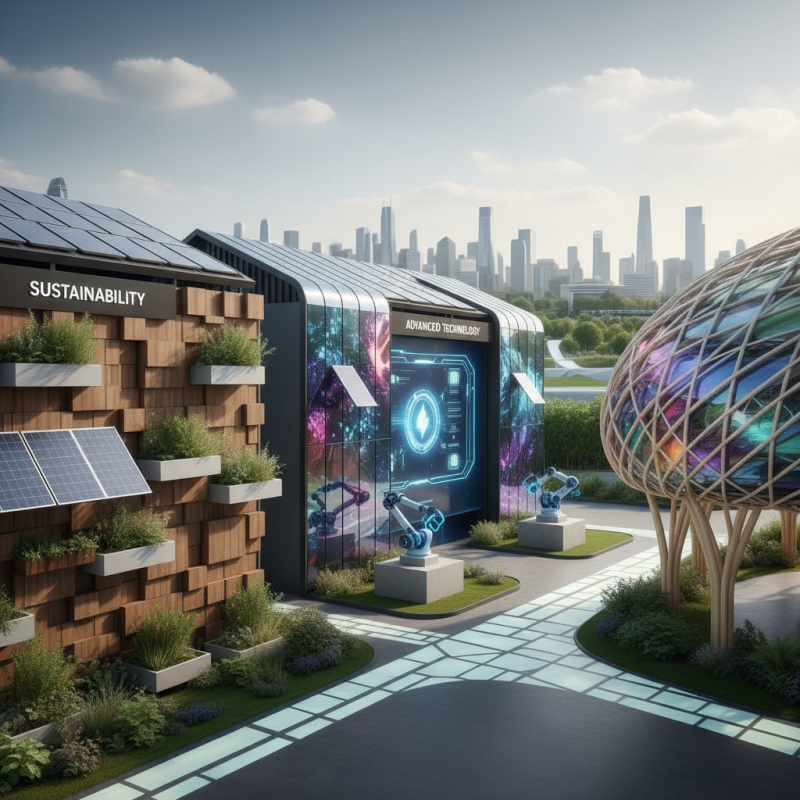
Top Building Materials Trends for 2026 What Buyers Should Know

Key Innovations in Sustainable Building Materials for 2026

As we approach 2026, the landscape of sustainable building materials is rapidly evolving. Innovations are reshaping how we think about construction. Designers and builders are focusing on materials that not only serve functional purposes but also contribute to environmental wellness.

Recycled materials are gaining popularity. Many projects now incorporate reclaimed wood and repurposed metals. These materials, while sustainable, can sometimes pose challenges. Their integrity and sourcing need careful evaluation. Additionally, bio-based materials like hempcrete and mycelium are making waves. These options offer renewable benefits, but they also require further research to optimize performance.

The shift towards low-carbon concrete is another pivotal trend. This material minimizes carbon emissions during production, but its availability varies. A balance between sustainability and cost is required. However, entrenched practices often resist change. What remains clear is that the construction industry must navigate these evolving trends. The goal is to create buildings that are not only innovative but also leave a lighter footprint.

Smart Materials: Integrating Technology into Construction Practices

Smart materials are transforming construction practices in exciting ways. These innovative materials can adapt in real-time to environmental changes. For instance, self-healing concrete can repair its own cracks. This technology not only extends the lifespan of structures but also reduces maintenance costs significantly.

Integrating smart materials into projects requires careful planning. Not all materials will work for every application. Some smart materials may be cost-prohibitive for certain builders. Understanding the specific site needs is essential. This approach can lead to a more sustainable construction process that minimizes waste.

As technology continues to evolve, the construction industry faces challenges. The constant updates in smart materials require builders to stay informed. Accessing reliable resources is crucial. However, the potential benefits far outweigh these challenges. Exploring smart materials offers companies a competitive edge. These materials pave the way for a more resilient future in construction.

Top Building Materials Trends for 2026 What Buyers Should Know

Trend Description Impact on Construction Projected Adoption Rate
Smart Materials Materials that respond to environmental changes (e.g., temperature, humidity). Enhances energy efficiency and durability of structures. 60% by 2026
Recycled Materials Use of materials sourced from waste products to minimize environmental impact. Reduces landfill waste and promotes sustainability. 50% by 2026
Prefabrication Construction technique where building components are manufactured off-site. Increases efficiency and reduces construction time. 40% by 2026
Biomaterials Organic materials used for construction that promote sustainability. Improves indoor air quality and decreases carbon footprint. 30% by 2026
3D Printing Additive manufacturing technology for creating building components. Reduces material waste and allows complex designs. 25% by 2026

Cost Trends: Understanding Pricing Dynamics in the Building Materials Market

In the building materials market, understanding cost trends is vital for savvy buyers. Prices fluctuate due to various factors. These include raw material availability, labor costs, and transportation expenses. Recent inflation has driven up material prices significantly. Buyers need to stay informed about these dynamics to make smart purchasing decisions.

Tips: Always compare prices from different suppliers. Pay attention to seasonal trends. Prices can rise or fall depending on the time of year. Consider bulk purchases. Buying in larger quantities might save you money in the long run.

Demand dynamics also play a critical role. As urbanization increases, demand for sustainable materials is rising. The need for green building materials impacts pricing structures. Buyers should evaluate the long-term benefits of choosing eco-friendly options. While initial costs may be higher, savings on energy and maintenance can be substantial.

Tips: Research materials thoroughly before committing. A lower price doesn't always mean better quality. Look into the durability and lifecycle of materials. This reflection can steer you toward better investments for future projects.

Top Building Materials Pricing Trends for 2026

Regulatory Changes Impacting Building Material Choices in 2026

As we approach 2026, regulatory changes are reshaping the landscape of building materials. Various governments are implementing stricter sustainability guidelines and safety standards. These changes are significantly influencing what materials buyers consider. According to a recent report by the Building Materials Association, nearly 70% of construction projects now adhere to new eco-regulations. This shift emphasizes the importance of choosing materials that are not only compliant but sustainable.

One notable trend is the rise of recycled materials in construction. Many jurisdictions encourage the use of repurposed products. This promotes a circular economy and significantly reduces waste. However, finding reliable suppliers can be challenging. Conduct thorough research and verify certifications to ensure quality.

TIP: Always ask potential suppliers about their compliance with updated regulations. Being proactive can save costs in the long run.

Additionally, energy efficiency remains a priority for many buyers. Innovations in insulation and energy-efficient windows are gaining attention. This focus aligns with growing energy performance standards. Yet, some materials may not meet these evolving efficiency benchmarks. Keep abreast of local energy laws to make informed decisions.

TIP: Review your project’s energy requirements carefully. Don’t overlook newer options that might be more cost-efficient and compliant.

Consumer Preferences: Shifts Towards Eco-Friendly and Aesthetic Options

As we look towards 2026, consumer preferences in building materials are shifting notably. Eco-friendly options are at the forefront. Many buyers value sustainability more than ever. They want materials that lower carbon footprints and promote wellness. Natural wood, recycled metals, and biodegradable composites are gaining traction. These materials not only reduce environmental impact but also provide unique aesthetic qualities.


Aesthetic appeal plays a crucial role too. Homebuyers are drawn to designs that blend beauty and function. They seek textures and colors that reflect personal style while enhancing the living environment. For instance, earthy tones evoke a sense of tranquility. Innovative designs are transforming spaces into artistic experiences.


However, not every sustainable option balances practicality and style seamlessly. Some eco-friendly materials may lack durability. Homeowners might find that certain aesthetics are less versatile in different settings. Seeking the right combination requires careful consideration. It's essential for buyers to research and evaluate options thoroughly. The journey towards creating beautiful, sustainable spaces is filled with exploration and learns.

Article Source:

Call Now Button