Best Personalized Shipping Boxes Supplier in China?
Choosing the best Personalized Shipping Boxes supplier in China takes more than comparing unit prices. A box must protect the product, represent the brand, and move smoothly through packing lines and parcel networks. Pitney Bowes’ 2023 Parcel Shipping Index reported approximately 161 billion parcels worldwide in 2022, with volume projected to reach 256 billion by 2027. That scale makes practical details matter: board strength, accurate dimensions, secure closures, and labels that remain readable after handling.
Customization should solve real shipping problems, not merely add color. A well-fitted mailer can reduce excess void fill; a clear logo can make a plain kraft carton feel intentional. But ink coverage, coatings, and structural changes may affect cost, recyclability, or production time. Ask suppliers for physical samples, written material specifications, print proofs, and test results for compression or transit performance. Check how they handle order changes and quality issues, too. Small differences show up quickly on a packing bench.
Industrial designer Dieter Rams offered a useful design principle: “Good design is as little design as possible.” It is not a quote about shipping boxes specifically, but it fits the challenge: personalize with purpose. The strongest supplier is not automatically the one with the lowest quote or the most impressive catalog. Compare like for like, including tooling, shipping, minimum order quantities, and lead times. Then test the box with your actual product. One honest limitation: supplier claims alone cannot predict every delivery outcome. A sample run can reveal what a polished sales sheet cannot.
What Are Personalized Shipping Boxes and How Are They Used?
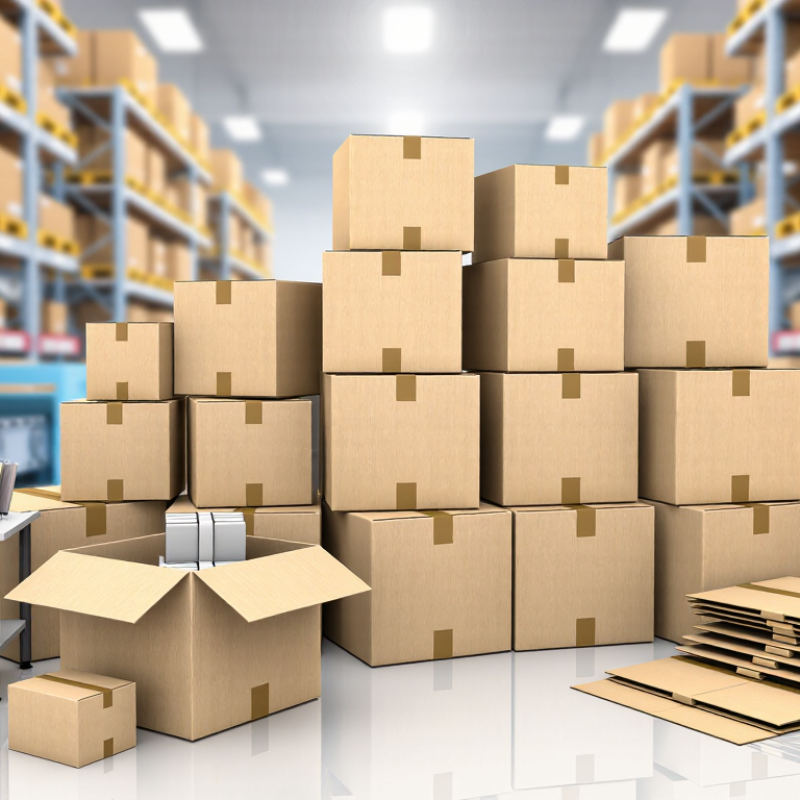
Personalized shipping boxes are corrugated cartons adapted with custom printing, dimensions, inserts, or opening styles. Their exterior may carry a logo, color palette, handling message, or return details. Printing inside can add a welcome note without changing the outer design. These choices make parcels easier to recognize and packing instructions easier to spot. Useful, not merely decorative.
Businesses use personalized boxes for online orders, subscription deliveries, product launches, and gifts. A snug box can reduce movement in transit, while a fitted insert helps keep fragile items from knocking against the walls. Retailers may also use consistent colors to distinguish product lines. The box still needs to protect its contents. Appearance alone cannot do that.
When choosing specifications, consider the item’s weight, shape, and journey through sorting and delivery. A practical test is to pack a real product, close the carton with the intended tape, and check whether it shifts when gently moved. That simple check can reveal a poor fit. Printing should remain legible after ordinary handling, and important packing marks should not sit across folds or seams. Custom sizes may reduce excess space, but very precise sizing can leave little room for protective material. Personalization is not automatically an upgrade; the useful design is the one that balances clear presentation with dependable protection.
| Topic | Details | Typical Use or Consideration |
|---|---|---|
| What personalized shipping boxes are | Shipping boxes customized to a buyer’s requirements, such as box dimensions, board grade, printing, color, and closure style. | They are used to package, protect, and identify products during storage, handling, and delivery. |
| Common box styles | Regular slotted cartons, die-cut mailer boxes, and custom-shaped cartons are common options. The right design depends on the product and packing process. | Mailer-style boxes can suit smaller parcels, while slotted cartons are commonly used for general packing and shipping. |
| Corrugated construction | Corrugated board consists of fluted paper between liner sheets. Single-wall and double-wall constructions are available, with strength depending on the board and its specifications. | Suppliers can recommend a construction after considering product weight, fragility, packing method, and shipping conditions. |
| Dimensions and fit | Box dimensions should account for the product, protective materials, and the box manufacturer’s measurement convention. Internal and external dimensions are not interchangeable. | A suitable fit can reduce unnecessary empty space while leaving room for required cushioning. |
| Printing and personalization | Customization may include text, graphics, handling instructions, or a return address. Printing methods and available colors depend on the material, artwork, quantity, and supplier’s equipment. | Keep important information legible and confirm that the artwork and print placement are suitable for the finished box. |
| Closures and assembly | Boxes may use folding tabs, interlocking flaps, or packing tape. Some designs require more assembly than others. | Choose a closure that suits the packing workflow and the level of protection required in transit. |
| Protective packaging | Corrugated boxes can be combined with paper cushioning, molded inserts, partitions, or other protective materials. | Use internal protection when products are fragile, can move inside the carton, or need separation from other items. |
| Typical applications | Personalized boxes are used for e-commerce orders, subscription shipments, retail replenishment, product samples, and business-to-business deliveries. | Printed information can help identify contents or communicate basic handling and packing details. |
| Choosing a supplier in China | Compare suppliers using written specifications for dimensions, board construction, printing, tolerances, order quantity, production schedule, and shipping terms. | Request a sample or pre-production proof when appropriate, and confirm that the final specification matches the intended use. |
| Environmental considerations | Many corrugated boxes are made primarily from paper-based materials, but recyclability depends on local collection systems and any coatings, laminations, inks, or attached components. | Ask about material composition and local recycling guidance rather than assuming every customized box is accepted in every recycling program. |