2026 Best Lotion Pump Options for Global Buyers Guide
As the global demand for personal care products continues to rise, the importance of effective packaging solutions cannot be overstated. The Lotion Pump industry has seen significant growth, with the market projected to expand at a compound annual growth rate (CAGR) of 4.5% through 2026. Lotion pumps play a vital role in enhancing user experience and product convenience. They ensure controlled dispensing, reduce waste, and maintain product integrity.
However, selecting the right lotion pump can be challenging for manufacturers and retailers alike. Factors such as material compatibility, pump design, and usability greatly influence customer satisfaction. Reports indicate that consumers prefer pumps that offer both functionality and aesthetics, which can complicate the decision-making process. Additionally, sustainability concerns are becoming increasingly important; many buyers seek eco-friendly options that align with their corporate responsibility goals.
Balancing effectiveness and environmental considerations is no small feat. The wide variety of lotion pumps available may lead to confusion, requiring a thorough understanding of market trends and consumer preferences. As we explore the best lotion pump options for 2026, we aim to provide insights that will help buyers navigate this complex landscape with confidence.
Understanding Lotion Pump Types: Key Variants in the Industry
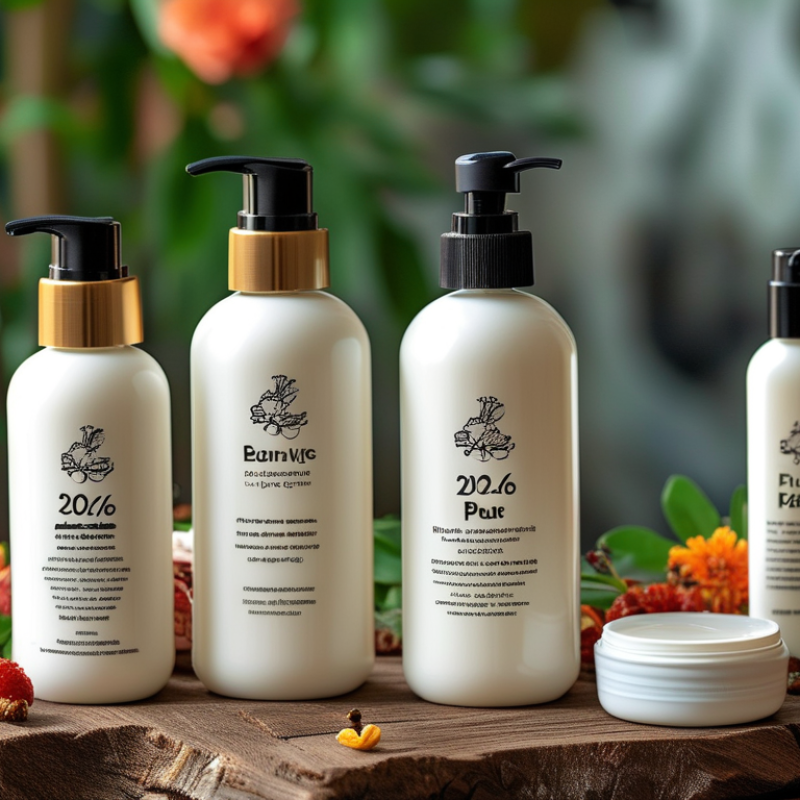
Lotion pumps are essential in the beauty and personal care industry. They provide convenience and hygiene for consumers. Understanding the main types of lotion pumps can help buyers make informed decisions.
There are several key variants in the lotion pump market. For instance, the standard lotion pump offers adjustable flow control. This allows for better dosage management. In contrast, the airless lotion pump reduces contamination and keeps products fresh. A report from Grand View Research reveals the global lotion pump market is expected to reach 2.3 billion USD by 2026, growing at a CAGR of 5.6%. This indicates a strong demand for effective dispensing solutions.
However, choosing the right pump can be challenging. Many buyers may not fully understand their specific needs. For example, lotion viscosity varies significantly. A pump that works well for a thick cream may not function effectively for a lighter lotion. Research shows that 30% of product wastage happens due to improper pump selection. It's crucial for buyers to assess their products carefully before making a choice.
Material Analysis: Best Choices for Lotion Pump Durability and Safety
When selecting lotion pumps, material selection is crucial. Durable materials ensure longevity and safety. High-density polyethylene (HDPE) is often recommended. It offers strong resistance to chemical reactions, which can affect product integrity. According to a recent industry report, HDPE has a lifespan of 12-24 months in typical usage scenarios.
Another popular choice is polypropylene (PP). This material is lightweight and resistant to moisture, making it ideal for various formulations. However, its durability can vary based on the production process. Some PP pumps may not withstand high-pressure applications, leading to potential leaks. An estimated 15% of users report dissatisfaction with low-quality PP pumps, emphasizing the importance of sourcing.
Additionally, glass lotion pumps present a premium option. They provide excellent protection against contamination. Glass is inert, meaning it doesn’t react with formulations. However, weight and breakability pose concerns for shipping and handling. A significant number of buyers underestimate these risks. Investing in proper packaging for glass pumps can help reduce damage during transport.
Market Trends: Global Demand for Lotion Pumps and Growth Projections
The global demand for lotion pumps is steadily increasing. As consumers seek convenience, efficient dispensing mechanisms are in high demand. The beauty and personal care sectors are spearheading this trend. Lotion pumps not only offer usability but also enhance product presentation. A well-designed lotion pump can appeal to customers and influence purchasing decisions.
Market growth projections indicate significant opportunities, especially in emerging markets. Consumers in developing regions are becoming more brand-conscious. They are looking for reliable and aesthetically pleasing packaging. However, there is a challenge. Many manufacturers face difficulty in maintaining quality during mass production. Ensuring consistency without compromising design can be complex yet essential.
Sustainability is becoming increasingly important. Buyers are now considering eco-friendly options. This shift could create gaps in the market. While some are investing in sustainable materials, others lag behind. Innovations in pump designs that use less plastic could respond to this demand. Keeping an eye on market trends is crucial for businesses to thrive.
2026 Best Lotion Pump Options for Global Buyers Guide
| Region | Market Share (%) | Growth Rate (CAGR %) | Key Features | Preferred Materials |
| North America | 30 | 5.0 | Pump Lock, Nozzle Flexibility | Plastic, Glass |
| Europe | 25 | 4.5 | Eco-friendly Options, Custom Designs | Recyclable Plastic, Metal |
| Asia Pacific | 35 | 6.0 | Multi-Functionality, Versatile Sizes | PP, PET |
| Latin America | 5 | 3.8 | Cost-effective Solutions, Basic Design | Plastic |
| Middle East & Africa | 5 | 4.0 | Durability, Ease of Use | PVC, Polycarbonate |
Sustainability in Lotion Pumps: Eco-Friendly Options for Modern Consumers
Sustainability is crucial for today's consumers. Lotion pumps, often overlooked, contribute to environmental waste. As eco-consciousness rises, the demand for sustainable options has grown significantly.
Modern lotion pumps can be made from biodegradable materials. This type of design reduces plastic waste in our landfills and oceans. Additionally, many manufacturers are shifting towards using recycled plastics. This practice minimizes the reliance on virgin resources and promotes a circular economy.
However, not all eco-friendly pumps are equal. Some may still contain harmful chemicals or additives that compromise their sustainability. Consumers need reliable information to choose the right products. Transparency in manufacturing processes is essential. This helps buyers make informed decisions that align with their values. Each choice we make counts towards a greener planet.
Manufacturing Standards: Compliance and Quality Control in Lotion Pump Production
Manufacturing standards play a critical role in the production of lotion pumps. Understanding these standards is essential for global buyers. Compliance with established regulations ensures product safety and quality. According to a report from the International Organization for Standardization (ISO), over 75% of manufacturing defects stem from inadequate quality control processes. This statistic highlights the importance of rigorous standards in the industry.
Quality control measures must encompass various aspects of lotion pump production. Materials used should meet safety criteria, as poorly chosen materials can lead to contamination. A recent survey found that almost 20% of consumers reported concerns about chemical exposure from pumps. This underscores the need for compliance with health standards. Regular audits and testing play a vital role in ensuring that manufacturing processes remain up to standard.
However, many manufacturers face challenges in implementing these standards. The complexity of global regulations can lead to confusion and inconsistency. Some companies may unintentionally overlook crucial compliance steps, leading to potential safety risks. Continuous education and training are necessary for workers. It ensures everyone involved understands compliance requirements and upholds product quality.