10 Best Jute Shopping Bags for Wholesale Buyers?

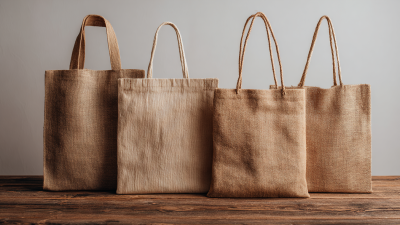
Wholesale buyers are looking beyond low prices. They need Jute Shopping Bags that remain attractive after repeated handling, transport, and daily use. A strong bag should feel firm, hold its shape, and carry weight without weak seams. Its handles should sit comfortably in the hand, not cut into the fingers.

Dr. Subhas Chandra Ray, a respected jute technologist, once described jute as “a strong, natural fibre with practical value for everyday products.” This observation still matters. Natural does not automatically mean perfect. Jute can absorb moisture, develop uneven textures, and vary slightly in color. Good sourcing must acknowledge these limitations.

This guide examines ten Jute Shopping Bags suitable for wholesale purchasing. Each option is considered through practical details, including fabric weight, weave density, handle construction, stitching quality, printing performance, dimensions, and packaging. Buyers should also review minimum order quantities, production samples, delivery schedules, and supplier communication. Small details can change the final cost.

A beautiful sample is not enough.

Retailers need reliable consistency across cartons. The selected bags should match the intended product, whether used for boutiques, conferences, groceries, gifts, or promotional campaigns. Certification claims also require verification from recognized organizations. Supplier promises should never replace documented evidence.

No ranking is completely universal. A luxury retailer may prefer laminated finishes, while an eco-conscious shop may choose untreated fabric. This list offers a practical starting point, not a fixed answer. Careful buyers should test handle strength, inspect inner seams, and request realistic production samples before placing large wholesale orders.
10 Best Jute Shopping Bags for Wholesale Buyers?

What Makes a Jute Shopping Bag Suitable for Wholesale Buyers

For wholesale buyers, a suitable jute shopping bag must survive repeated handling, not only look natural in photos. Check the fabric weight, weave density, and handle attachment. A firm weave reduces stretching when customers carry bottles or boxed goods. Handles should use reinforced cross-stitching and withstand realistic loads. Small details matter. Ask for a pre-production sample before approving a large order. Measure its height, gusset, and handle drop. Dimensions may vary slightly between batches, disrupting packing plans. That is an overlooked risk.

Reliable supply matters as much as appearance. Suppliers should provide consistent jute quality, stable color, and clear production schedules. Request inspection records, material details, and photographs from different production stages. Natural fibers may show mild texture changes. That is normal, but uneven staining or loose threads require attention. Wholesale buyers should compare carton strength, inner packing, and shipping protection. A beautiful bag arriving crushed creates avoidable costs. Custom printing should remain sharp after folding and handling. Test it in real conditions, not only on a screen. I would question unusually low prices; savings can hide weaker fabric or rushed stitching.

Tips: Build a simple scorecard. Give points for load strength, stitching, size accuracy, print quality, lead time, and packaging. Order a small trial batch. Check ten bags from it, not one. Keep one sample for future comparisons. This makes supplier discussions clearer, although it may slow the first decision.

Key Features to Compare in the Ten Best Jute Shopping Bags

When comparing the ten best jute shopping bags for wholesale, start with measurable features, not attractive photographs. In my sample checks, a dense, even weave usually feels stronger and resists stretching around boxed products. Yet, heavier fabric is not automatically better. It can raise freight costs and make folding difficult.

Compare fabric weight, bag dimensions, handle length, stitching, lining, and moisture resistance. Ask suppliers for GSM data and a filled-load test.

A practical test uses bottled goods, repeated lifting, and a 24-hour hanging period. Check whether the handles twist, whether seams open, and whether the base keeps its shape.

The Food and Agriculture Organization’s FAOSTAT database identifies jute as a major natural fibre crop, but raw-material availability can vary by season and region. Therefore, buyers should request recent production and quality records, not broad claims.

Tips:

Specify tolerances for size and GSM in writing. Inspect random units from every production batch. Also compare print sharpness, odor, loose fibers, and carton compression.

The Textile Exchange Materials Market Report 2024 highlights the growing importance of material traceability and credible environmental information. A jute bag should therefore have clear fibre details and documented processing information.

Some suppliers may offer attractive certificates without explaining the tested scope. That deserves questions.

I would also compare landed cost, not just unit price. A low-priced bag with weak handles becomes expensive after customer complaints and replacement shipments.

Top Jute Bag Styles for Retail, Events, and Promotional Use

Jute shopping bags suit retailers, event planners, and promotional campaigns that need a natural, reusable presentation. In wholesale sourcing, I look beyond appearance. Fiber density, handle stitching, lining quality, and base strength affect customer experience. A neat 12-ounce jute body may carry brochures well, but heavier products need reinforced seams.

The most useful styles include flat totes for bookshops, gusseted bags for clothing, bottle bags for gift sets, and drawstring pouches for small products. Laminated jute bags resist light moisture and clean more easily. Cotton-jute combinations feel softer for boutique retail. Mesh jute bags work for farmers’ markets, while canvas-lined versions protect fragile items. Long-handle shoppers suit trade-show visitors who carry catalogs across large venues. Short-handle bags create a compact, structured look. Foldable jute designs save storage space during event setup.

Details matter.

For promotional use, print placement should match the bag’s weave. Small lettering can lose clarity on rough fibers, especially after repeated handling. I recommend testing one sample before approving a large order. This step costs time, but it can reveal uneven stitching, sharp fiber ends, or handles that twist under weight. Jute also has a natural scent and slight color variation. That is normal, though not every customer prefers it. A realistic specification should allow these differences while requiring consistent dimensions, secure seams, and safe water-based inks. Wholesale buyers should request production samples and inspect packed cartons before distribution.

10 Best Jute Shopping Bags for Wholesale Buyers? - Top Jute Bag Styles for Retail, Events, and Promotional Use

No. Jute Bag Style Typical Size
(W × H × G, cm)
Construction Fabric Weight
(g/m²)
Approx. Load Capacity Handle Type Best Wholesale Uses Common Customization Options Typical Wholesale Notes
1 Natural Jute Shopper 38 × 42 × 12 Laminated jute body with open top 280–350 8–10 kg Flat cotton or jute webbing handles Grocery retail, everyday shopping, eco-conscious stores One- or two-color screen print, woven label, handle color A practical entry-level style with a large printable front panel.
2 Jute Tote with Cotton Handles 35 × 40 × 10 Plain jute panels with stitched cotton handles 250–320 6–8 kg Soft cotton webbing, approximately 55–65 cm Retail promotions, conferences, welcome kits Logo printing, interior pocket, contrasting handle colors Comfortable for repeated carrying and suitable for general promotional distribution.
3 Jute Wine Bottle Bag 15 × 35 × 10 Single-bottle or double-bottle compartment design 250–330 2–4 kg Rope drawstring or short loop handle Wineries, gourmet shops, hospitality gifts Hangtag, drawstring color, front logo, internal divider The interior should be sized for the selected bottle profile and protected during transport.
4 Jute Drawstring Gift Pouch 20 × 28 Unlaminated or lightly lined jute pouch 180–260 1–2 kg Cotton, jute, or satin drawcord Event favors, handmade products, gift packaging Embroidery, printed emblem, cord color, kraft-paper tag Compact packaging format; best for lightweight goods rather than bulk shopping.
5 Jute Beach Bag 45 × 35 × 14 Wide gusset with reinforced base 300–400 8–12 kg Long cotton or braided jute shoulder handles Resorts, travel retail, summer campaigns Striped panels, piping, zipper top, inner pocket, print The broad base provides useful volume; handle attachment should be reinforced for heavier loads.
6 Jute Bottle-and-Grocery Carrier 32 × 34 × 18 Structured gusseted body with internal dividers 300–400 8–10 kg Short cotton webbing handles Farm shops, food markets, grocery memberships Divider layout, reinforced base, logo print, color edging Internal separators help prevent bottles or jars from contacting one another.
7 Jute Shopper with Zipper Top 40 × 35 × 12 Laminated body with top zipper and lined interior 300–420 6–9 kg Webbing handles with optional shoulder strap Premium retail, corporate gifting, travel use Metal or nylon zipper, lining color, inner pocket, label Offers better closure and security than an open-top shopper, with a higher manufacturing cost.
8 Jute Conference Tote 36 × 40 × 8 Flat-panel tote designed for documents and small merchandise 220–300 4–6 kg Long cotton webbing handles Trade shows, seminars, exhibitions, training events Large-area logo print, badge pocket, pen loop, event date The flat shape keeps packing and storage efficient for large event orders.
9 Jute Wine-and-Gift Hamper Basket 30 × 25 × 20 Rigid jute-covered frame with reinforced rim 350–500 5–8 kg Rope handles or fixed side handles Holiday hampers, premium food packaging, corporate gifts Removable lid, lining, ribbon, insert compartments, tag A structured format that presents products well but requires more storage space than flat totes.
10 Jute Produce Bag Set Small: 20 × 25
Medium: 25 × 30
Large: 30 × 35
Lightweight drawstring bags supplied as a multi-size set 180–240 1–4 kg per bag Jute or cotton drawcord Zero-waste stores, farmers’ markets, reusable produce packaging Size assortment, care label, printed mark, cord color Reusable and compact; the fabric should be checked for weave density and washing requirements.
Specifications are typical wholesale ranges and may vary according to jute weave, lamination, lining, reinforcement, handle construction, and customization requirements.

How to Evaluate Quality, Customization, and Supplier Reliability

For wholesale buyers, jute bag quality starts with measurable details, not attractive samples. Check fabric weight, weave density, handle strength, seam allowance, and lining stability. A 300–400 GSM body often feels more durable, but heavier fabric can increase freight costs. Test each sample with realistic loads, including bottles or boxed goods. Inspect loose fibers, uneven stitching, damp smells, and printed edges. Textile Exchange’s 2024 Materials Market Report estimates global fiber production reached 132 million tonnes in 2023, increasing pressure on buyers to verify material claims and sourcing records.

Tips: Request three production samples, not one. Measure dimensions after filling. Use ISO 2859-1 sampling methods for larger batches, and record acceptable defect limits before ordering. Customization also needs discipline. Confirm artwork size, ink durability, color references, carton packing, and tolerance for dimensional variation. A small logo may look sharp on one weave but blur across another. I have seen buyers approve a perfect sample, then receive inconsistent bulk printing. The weakness was not the factory alone; the approval process was too casual.

Supplier reliability is visible in documents and behavior. Ask for a recent factory audit, material traceability, pre-shipment inspection, production photos, and written lead times. Compare promised capacity with actual monthly output. Request a pilot order before committing to a seasonal volume. Verify certifications independently, including scope and expiry dates. Payment terms, replacement rules, and delayed-shipment procedures should be written clearly. Reliability is never proven by fast replies alone. Tensile tests, moisture checks, and batch records reveal more.

10 Best Jute Shopping Bags for Wholesale Buyers

Quality, customization, and supplier reliability benchmark based on typical wholesale specifications, including fabric weight, construction, printability, minimum-order flexibility, and lead-time predictability.

Scores are rated from 1 to 10. Higher scores indicate stronger suitability for wholesale purchasing. Heavy-duty and gusseted designs generally score higher for durability, while printed and laminated designs offer stronger customization potential.

Pricing, Order Quantities, and Choosing the Best Wholesale Option

10 Best Jute Shopping Bags for Wholesale Buyers?

Wholesale jute shopping bags are priced by fabric weight, size, handles, lining, printing, and shipment terms. In practical sourcing, a basic 10-by-12-inch bag may cost about $0.45–$1.10 at 1,000 units. Heavier fabric, inner coating, or multi-color printing can push quotes above $2.00. These figures are indicative, not fixed market prices. Request a full specification sheet before comparing offers. Otherwise, a cheap quote may simply hide thinner fabric or weaker stitching.

Start with samples.

The International Jute Study Group and FAOSTAT report jute, kenaf, and allied-fibre production at roughly 3.5 million tonnes annually in recent data. Supply is substantial, but quality still varies by harvest and mill. Textile Exchange’s Materials Market Report 2024 also treats jute as a plant-based fibre, while warning that natural origin alone does not prove responsible production.

Ask for fibre composition, GSM, seam testing, and packaging details. A sensible first order is 50–100 samples, followed by 500–1,000 units for a controlled test. Orders above 3,000 units often improve unit pricing, but storage and cash-flow risks rise.

I have seen buyers over-order to save $0.08 per bag. That saving became expensive inventory. A better wholesale option balances landed cost, defect allowance, delivery time, and realistic sales demand. Include at least 2–5% spare units for inspection failures.

Expect variation.

Call Now Button