2026 Best Muslin Fabric Buying Guide for Global Buyers?
Muslin Fabric has gained popularity globally for its versatility and soft texture. According to a recent market analysis, the muslin fabric industry has seen a growth rate of over 7% annually. This is fueled by increased demand in various sectors, including fashion, home décor, and baby products.
Global buyers face numerous options while choosing Muslin Fabric. Variations in quality, weight, and origin can impact purchase decisions. Reports highlight that higher-quality muslin typically retains its softness and durability better than lower-quality alternatives. However, not all products labeled as muslin meet these standards, leading to potential confusion for buyers.
Understanding the nuances of Muslin Fabric is crucial. Inconsistent manufacturing processes can result in varied textures and colors. Buyers need to research thoroughly and consider supplier reliability. This guide aims to provide insights into making informed decisions, ensuring that you select the right muslin fabric for your needs.
Understanding Muslin Fabric: Types and Characteristics
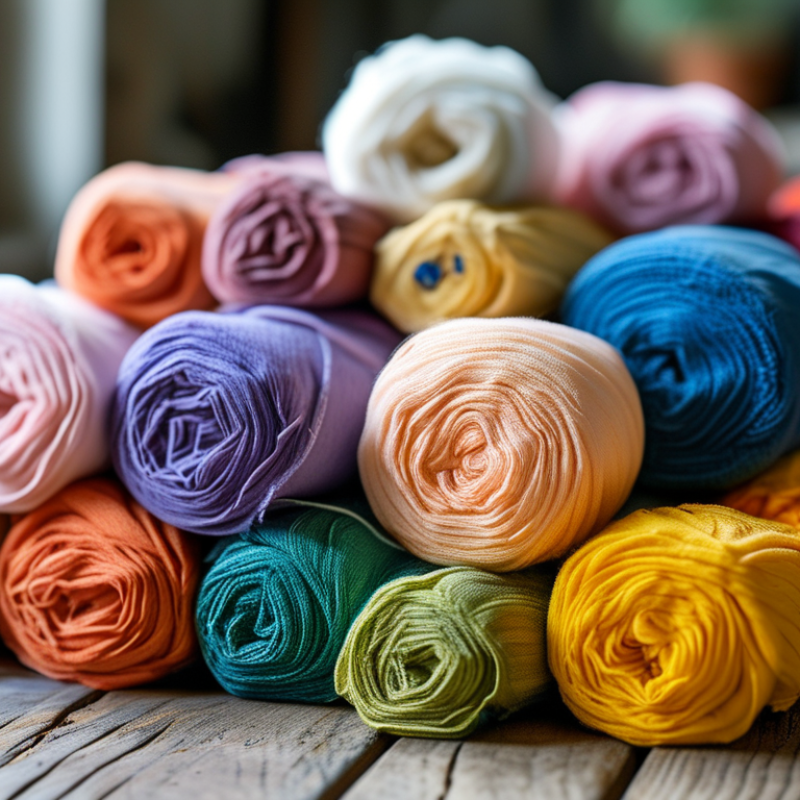
Muslin fabric has gained attention for its versatility and breathability. It is an essential choice in the textile industry. There are various types of muslin, including unbleached, bleached, and colored muslin. Each type serves different purposes and markets. For example, unbleached muslin retains natural cotton color and texture. It is ideal for crafting and sewing projects.
The characteristics of muslin fabric are noteworthy. It is lightweight, soft, and absorbent. This makes muslin a preferred option for garments and home textiles. According to market research, the global muslin fabric market is projected to grow at a compound annual growth rate (CAGR) of 5.6% from 2023 to 2028. Consumers appreciate muslin for its eco-friendliness and biodegradable nature. It resonates with sustainable fashion trends.
However, not all muslin fabrics are created equal. The quality can vary widely, and buyers must be cautious. Some low-quality options may not provide durability or comfort. It is essential to consider weight, thread count, and sourcing when selecting muslin fabric. Understanding these characteristics will help buyers make informed decisions.
Muslin Fabric Types and Their Popularity
Key Factors to Consider When Buying Muslin Fabric
When buying muslin fabric, several key factors come into play. First, the weight of the fabric is crucial. Muslin is available in different weights, typically ranging from 3 oz to 6 oz per yard. A heavier muslin is better for drapery, while lighter muslin works well for garments. Understanding the weight will help buyers select the right fabric for their specific needs.
Next, the weave of the muslin fabric can significantly affect its quality. A finer, tighter weave indicates higher quality. Reports suggest that a well-woven muslin offers better durability, making it ideal for various applications. Additionally, consider the thread count. A higher thread count usually means a smoother texture, enhancing the fabric's overall appeal.
It's also important to check for certifications. Some manufacturers provide certifications, ensuring the fabric meets industry standards for safety and environmental impact. However, not all products are certified, so due diligence is essential. Research from industry sources indicates that around 25% of textile buyers face uncertainties about fabric sourcing. Addressing these uncertainties can lead to better purchasing decisions.
Sourcing Muslin Fabric Globally: Tips for International Buyers
Sourcing muslin fabric globally can feel overwhelming. Buyers need to consider numerous factors. Understanding where to source is crucial. The global market offers a plethora of options. However, not all sources guarantee quality. Researching suppliers is vital for successful transactions.
Start by examining the fabric's specifications. Quality varies significantly across regions. For instance, some areas focus on organic muslin, while others prioritize affordability. Engaging with multiple suppliers is wise. Request samples to assess texture and durability. This will help identify trusted manufacturers.
Cultural factors also play a role in sourcing. Communication styles differ worldwide. Misunderstandings can lead to issues. Therefore, clear and concise discussions are essential. Establishing relationships with suppliers can foster trust. Yet, remain cautious; not every relationship will yield positive results. Regularly review agreements and communication to ensure transparency.
2026 Best Muslin Fabric Buying Guide for Global Buyers
| Fabric Type | Weight (GSM) | Width (inches) | Material Composition | Use Cases | Country of Origin |
| Cotton Muslin | 120 | 45 | 100% Cotton | Garments, Curtains | India |
| Polyester Muslin | 90 | 60 | 100% Polyester | Theatrical Drops, Backdrops | China |
| Blended Muslin | 150 | 54 | 80% Cotton, 20% Polyester | Bedding, Soft Furnishings | Pakistan |
| Heavyweight Muslin | 200 | 108 | 100% Cotton | Photography, Crafting | USA |
Evaluating Quality: How to Choose the Best Muslin Fabric
Choosing the best muslin fabric involves understanding a few key factors. Quality is paramount. Look for muslin that feels soft but has enough texture. The weight of the fabric contributes to its durability and usability. Heavier muslin often serves better for long-term projects. Check the thread count; a higher count usually means better quality. However, balance weight and thread count with your intended use.
Consider the finish of the muslin, too. Some fabrics are bleached white, while others are natural. Natural muslin typically has a more organic, rustic feel. If you're seeking versatility, opt for a fabric that can adapt to various uses, from clothing to crafts. Be wary of overly shiny textures; they may indicate synthetic blends that can diminish the fabric's breathability.
Pay attention to the sourcing of the fabric. Reliable suppliers will provide details about their manufacturing processes. Seek out manufacturers who prioritize sustainable practices. It's not always easy to find the perfect muslin, and you may encounter inconsistencies in texture or color. Learning from these experiences will help refine your choices in the future.
Common Uses and Applications of Muslin Fabric in Various Industries
Muslin fabric is admired for its versatility across various industries. In fashion, designers often use it for casual garments. The lightweight nature makes it comfortable for summer clothing. Muslin drapes beautifully, allowing for creative designs. It’s also common in bridal wear, where delicate details matter.
In the realm of home textiles, muslin plays a significant role. Many home decorators select muslin for curtains and drapes. It provides an airy feel while allowing some light to filter in. Additionally, muslin is a popular choice for baby items. Soft, breathable blankets made from muslin are gentle on a baby's skin. They often provide a comforting touch.
In the culinary sector, muslin is used for straining liquids. Chefs appreciate its fine weave for making stocks or sauces. While muslin is effective, it can sometimes absorb flavors, which might affect the end product. This requires careful consideration in the kitchen. Despite its imperfections, muslin remains a go-to fabric for diverse applications. Its numerous uses highlight the need for buyers to understand their specific requirements.