In 2026, wholesale buyers need more than attractive packaging when selecting Liver Cat Treats. They need dependable products, clear documentation, and evidence of safe manufacturing. Liver can provide strong flavor and useful nutrients, but excessive intake may create nutritional concerns. Responsible sourcing matters.
This guide examines ingredient quality, processing methods, moisture control, packaging, and supplier reliability. It considers freeze-dried liver, baked pieces, soft bites, and limited-ingredient formulas. Each format has practical advantages. Freeze-dried treats often preserve aroma and texture, while baked options may offer easier handling during storage. However, results can vary between batches.
We focus on details that affect real purchasing decisions. Can the supplier provide laboratory testing, batch records, shelf-life information, and transparent feeding guidance? Are cartons sturdy enough for warehouse movement? Does the package protect small treats from humidity and crushing? These questions deserve direct answers.
No product is perfect. That matters.
A strong wholesale choice should balance palatability, safety, margin, and customer trust. Buyers should review regional requirements and seek qualified veterinary or regulatory advice before making broad claims. Supplier experience also deserves careful checking, not simple marketing language. Reliable manufacturers usually explain their sourcing standards, quality controls, recall procedures, and product limitations.
The following overview helps distributors compare Liver Cat Treats with greater confidence. It does not replace professional nutritional advice. It offers a practical starting point for building a responsible 2026 product range, supported by clearer evidence and fewer assumptions.
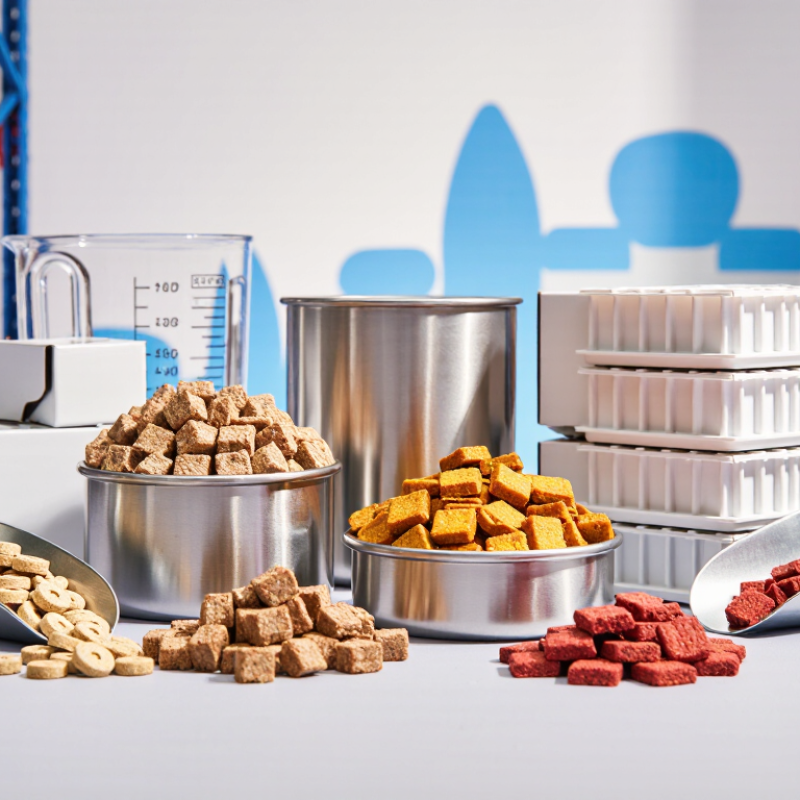
Liver treats usually fall into four categories: freeze-dried, air-dried, baked, and soft-moist. Freeze-dried pieces preserve a strong aroma and light texture, but they can crumble during transport. Air-dried treats feel denser and often offer better pack efficiency. Baked pieces are usually firmer and more affordable, although heat may reduce some nutrients. Soft-moist formats attract picky cats, yet they require stronger moisture control and shorter shelf-life validation.
Wholesale buyers should compare more than ingredient percentages. Check moisture, crude protein, fat, ash, calories, and feeding directions. Liver is nutrient-dense, especially in vitamin A and copper. Excessive daily feeding can create nutritional imbalance, so liver treats should remain complementary products.
AAFCO guidance distinguishes complete diets from treats, while the 2024 APPA State of the Industry report valued U.S. pet spending at approximately 152 billion dollars. That market size supports demand, but it does not excuse weak quality controls.
Packaging matters too. Use oxygen barriers, clear lot coding, and verified expiration dates. Independent testing for pathogens, heavy metals, and nutrient consistency adds practical credibility. FEDIAF’s 2024 facts report documented more than 100 million cats in European households, showing broad regional opportunity.
Still, texture preferences vary sharply by age and dental condition. Some buyers overvalue premium claims. I would not. Test small batches, monitor breakage, and review repeat-order data before scaling. Oversized chunks remain a problem. Cats may simply leave them behind.

For wholesale buyers, quality liver cat treats begin with nutritional control, not attractive color or strong aroma. Liver is naturally rich in vitamin A, copper, protein, and fat. Excessive feeding can therefore create nutritional imbalance. The National Research Council identifies vitamin A as essential for cats, but excessive intake remains a concern. AAFCO’s Cat Food Nutrient Profiles set a minimum vitamin A level of 9,000 IU per kilogram of dry matter for adult maintenance diets. Treats are not complete diets, so buyers should request laboratory results rather than rely on attractive packaging.
Check the guaranteed analysis, moisture, calories, vitamin A, copper, fat oxidation, and microbiological results for every production batch. A certificate of analysis should match the actual lot number. It should not be generic. WSAVA’s Global Nutrition Toolkit recommends keeping treats below 10% of a cat’s daily calories. That figure matters when a small liver cube contains concentrated energy. Choose products with clear feeding guidance and a realistic serving size. Very small pieces help owners control intake. They also reduce waste.
Drying temperature and storage deserve attention. Excess heat may damage texture and flavor, while poor packaging can encourage rancidity. A glossy piece can still be nutritionally weak. That is the uncomfortable part. No single test proves quality. Wholesale decisions should combine supplier records, independent testing, ingredient traceability, and sensory inspection. Even then, periodic re-testing is wise, because consistency can quietly decline between shipments.
Liver treats can attract cats quickly, but concentrated organ meat requires careful formulation. Excessive vitamin A may create health risks when feeding becomes frequent. Buyers should request the exact liver percentage, feeding guidance, calorie data, and vitamin analysis before approving bulk orders. The ingredient list should clearly identify the animal source and processing method. It should also exclude unsafe ingredients, including onion, garlic, and undeclared preservatives.
Reliable suppliers can provide certificates of analysis for each production lot. Useful checks include microbial testing, moisture levels, heavy metals, pesticide residues, and vitamin A control. Ask for batch records, allergen controls, recall procedures, and traceability from processor to finished carton. A clean factory helps, but paperwork must match the physical product. Small differences can matter.
Regulatory rules vary by destination. Confirm labeling, facility registration, import documents, permitted claims, and product notifications with the relevant authority. “Natural” or “healthy” should not replace evidence. Wholesale packaging needs lot codes, expiry dates, storage instructions, net weight, and feeding limits. Review samples after transport, not only inside the supplier’s warehouse.
A common mistake is trusting a polished label too quickly. It happens. Independent laboratory verification may expose moisture drift or inaccurate nutrient values. Buyers should also test seal strength and odor after storage. Cats can reject treats that seem acceptable to people. Feedback from retailers and veterinary professionals deserves attention, even when it challenges the original purchasing plan.
For wholesale buyers, liver cat treats need packaging that protects aroma, texture, and fat quality. High-barrier multilayer pouches can limit oxygen and moisture exposure better than simple paper bags. A resealable zipper also matters after opening. NielsenIQ’s 2024 pet retail analysis shows strong demand for premium pet products, but damaged packaging quickly weakens buyer confidence.
Shelf life should come from real-time stability testing, not a convenient guess. Many dried treats target water activity below 0.60, which helps restrict microbial growth. However, liver-based formulas may still develop rancid odors when exposed to heat or oxygen.
The Institute of Food Technologists identifies oxygen, light, moisture, and temperature as major food-quality risks. Wholesale labels should show a clear best-before date, batch code, storage instructions, and net weight. Small details matter.
Store cartons in a cool, dry warehouse, away from direct sunlight and strong-smelling goods. FDA pet-food guidance supports keeping opened products sealed and protected from moisture. Pallets should stay off the floor, with airflow around the cartons. Do not place new stock in front of older stock. Use first-expire, first-out rotation. It sounds basic. Yet warehouse teams still miss it.
For bulk orders, request shelf-life testing records and packaging specifications. Some suppliers provide only a printed date, which is not enough evidence. I would also test a retained sample after transport. A few packages may swell, leak, or lose aroma. That imperfect check can reveal more than a polished sales sheet. (Sources: FDA, Pet Food Institute, Institute of Food Technologists, NielsenIQ 2024 pet retail analysis)
Wholesale buyers entering the 2026 liver cat treat market need pricing discipline and supplier evidence. The APPA 2025 State of the Industry report valued U.S. pet spending at $152 billion in 2024. FEDIAF’s 2024 facts report recorded 139 million European pet-owning households. Demand is broad, but liver treats still require careful positioning. Liver is nutrient-dense, especially in vitamin A, so products should carry clear feeding guidance. Ask suppliers for ingredient specifications, batch test results, moisture data, and traceability records. A low unit price means little if rejected cartons create hidden costs.
Compare at least three quotations using the same basis: cost per kilogram, carton count, minimum order quantity, and delivered freight. Request samples from different production lots. Check odor, texture, breakage, seal quality, and label consistency.
Suppliers should explain lead times, production capacity, recall procedures, and documentation practices. A practical opening order may combine fast-moving small packs with fewer larger packs. Review sell-through after four to six weeks before increasing volume.
Forecasting is imperfect; seasonal promotions can distort the numbers.
Tips:
Build a landed-cost sheet before negotiating. Include freight, testing, duties, storage, and expected waste. Keep a safety stock based on supplier lead time, not optimism. For a new supplier, staged purchasing is safer than chasing the lowest quote. One weakness remains: public market reports rarely isolate liver cat treats, so buyers must validate assumptions with distributor sales data and small pilot orders.