2026 Best Embroidery Pattern Fabric for Global Buyers
In 2026, global buyers are looking beyond attractive surfaces when choosing Embroidery Pattern Fabric. They want reliable quality, clear sourcing, and designs that perform in real markets. A delicate floral pattern may look impressive under showroom lights. It may appear different after washing, cutting, or long-distance shipping.
Embroidery educator Mary Corbet describes embroidery simply: “Embroidery is the art of decorating fabric with needle and thread.” Her words remain relevant for today’s international textile trade. Patterned fabric is not only decorative. It must support stitching accuracy, garment comfort, color stability, and efficient production. Buyers should examine fiber content, fabric weight, embroidery density, backing quality, and colorfastness before placing large orders. Small sample tests matter.
Real experience often reveals uncomfortable details. A fabric can feel soft but shrink unexpectedly. A bright thread can lose contrast on darker backgrounds. Some suppliers provide excellent samples but inconsistent bulk production. That risk deserves attention. Ask for inspection records, production photos, test results, and transparent certification details. Confirm minimum order quantities and delivery schedules early.
This guide explores practical Embroidery Pattern Fabric options for apparel, home textiles, accessories, and regional collections. It considers cotton, linen blends, polyester bases, and specialty fabrics. Climate also matters. Lightweight fabric may suit humid markets, while structured fabric can perform better in cooler regions. No material is perfect. The strongest choice balances beauty, durability, budget, and honest supplier communication.
Definition and Key Features of Embroidery Pattern Fabric
2026 Best Embroidery Pattern Fabric for Global Buyers
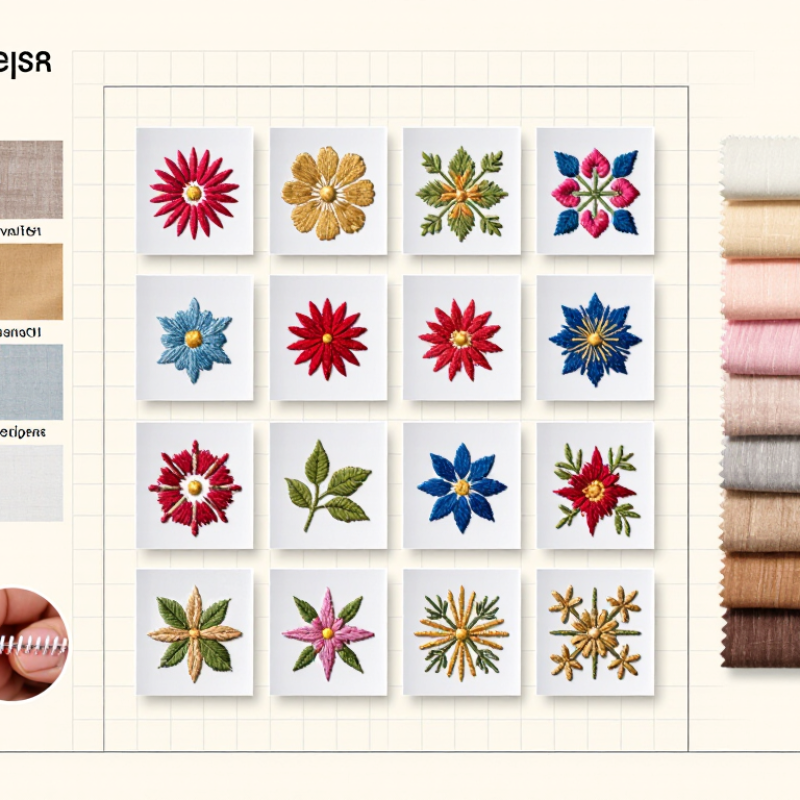
Embroidery pattern fabric is a textile designed with visible motifs, guides, or woven structures for decorative stitching. It may be printed, jacquard-woven, or lightly marked for machine and hand embroidery. Unlike finished embroidered cloth, it provides a prepared visual foundation before stitches are added. Key features include stable construction, clear pattern registration, suitable fabric weight, and controlled shrinkage. Cotton, linen, rayon, and polyester blends are common choices. Each behaves differently under needle tension.
Quality also depends on colorfastness, abrasion resistance, edge fraying, and surface evenness. Buyers should request GSM, usable width, fiber composition, shrinkage results, and test conditions. AATCC colorfastness methods and ISO textile testing procedures can support more reliable comparisons. Textile Exchange reported that global fiber production reached 124 million tonnes in 2023. Polyester represented about 57% of total output. This scale makes recycled content and traceable fiber claims increasingly important during sourcing.
A practical inspection starts with a one-meter sample. Check the pattern repeat against the approved drawing. Then test stitching near seams and curved edges. Small errors become obvious there. According to Textile Exchange’s 2024 Material Change Insights, global fiber production may reach 160 million tonnes by 2030. This pressure encourages lower-impact materials, but sustainability claims still require evidence. A recycled label alone proves little. Fabric that looks perfect under showroom lighting may distort after washing. Buyers should allow for this uncomfortable possibility. Some specifications remain incomplete, especially when suppliers report no independent test results.
How to Evaluate Fabric Quality and Compatibility
Choosing embroidery fabric requires more than judging softness or color.
I test the cloth under actual stitching conditions. Check GSM, weave density, surface regularity, and shrinkage after washing. A stable fabric keeps lettering aligned. A loose weave can distort small flowers. Measure needle penetration too. If the needle leaves large holes, the base fabric is probably unsuitable.
Textile Exchange’s Materials Market Report 2024 estimates global fiber production reached 124 million tonnes in 2023. It may approach 160 million tonnes by 2030. This growth increases material choices, but not necessarily quality. For global buyers, request fiber composition, GSM tolerance, colorfastness results, and washing data. ISO 6330 laundering procedures can help compare shrinkage consistently.
Embroidery thread also matters. Test polyester, cotton, and metallic threads on the same fabric sample. Results can change sharply.
Small samples reveal practical problems.
A white fabric may show backing marks under strong light. A dark fabric may bleed after steaming. I often test a 10-centimeter square before approving bulk production.
It is not perfect. Humidity, machine tension, and operator skill can alter results. Therefore, evaluate compatibility in the destination climate, not only inside a laboratory.
Fabric quality is a measured performance, not a pleasant first impression.
Global Buyer Standards, Certifications, and Compliance
For 2026 embroidery fabric, global buyers will inspect compliance before judging color or pattern detail. Textile Exchange’s 2024 Materials Market Report estimates global fiber production reached 124 million tonnes in 2023. It may approach 160 million tonnes by 2030. This growth increases pressure on suppliers to prove fiber origin, chemical control, and responsible processing.
Buyers should request current laboratory reports for fiber composition, colorfastness, shrinkage, pH, formaldehyde, and restricted azo dyes. For children’s products, additional safety checks may apply. Destination rules also matter. REACH requirements can affect chemical substances sold into Europe, while other markets may require separate consumer-product testing. ISO 9001 supports production consistency. ISO 14001 helps document environmental management. Recycled-content claims need traceable transaction records, not only a supplier statement.
Paperwork must match the actual fabric lot. Always verify it.
In practice, embroidered fabric can pass a color test yet fail after washing. Dense thread work may also distort the base cloth, especially when tension is poorly controlled. A 2024 industry survey from the International Textile Manufacturers Federation reported continuing pressure from energy costs, weak demand, and supply-chain uncertainty. That makes traceability more important, but not automatically reliable. Buyers should compare certificates, test dates, production addresses, and batch numbers. Digital records help, although small suppliers may still use incomplete files. That weakness deserves attention, not embarrassment.
A practical approval sample should be washed, rubbed, stretched, and inspected under daylight before bulk production.
Sourcing, Pricing, and Selection Guide for 2026
Global buyers should assess embroidery pattern fabric through three practical lenses: sourcing, pricing, and performance. Confirm the base material, embroidery density, pattern repeat, fabric width, and usable edge allowance. Cotton, linen blends, polyester, and recycled fibers behave differently during cutting and washing. Request a physical sample before approving bulk production. Digital images often hide loose threads, uneven tension, and color shifts.
Pricing for 2026 depends on fiber costs, embroidery complexity, labor, order volume, and finishing treatments. Ask suppliers to separate fabric, embroidery, sampling, packaging, and transport charges. Compare quotes using the same width and measurement unit. A low price may exclude backing, testing, or replacement allowances. It may not be low after all. Clarify minimum order quantities and production lead times, especially before seasonal buying periods.
Selection should match the final product, not only the showroom appearance. Dense patterns suit decorative panels but may feel heavy in garments. Lightweight designs can reduce cost, yet they may distort after washing. Check shrinkage, colorfastness, seam behavior, and needle marks through a simple trial. For global trade, request fiber composition records and independent restricted-substance test reports. Also verify packing conditions for humid routes. I have seen attractive samples fail during cutting because the pattern repeat was poorly measured. That mistake is easy to prevent, but buyers still overlook it. Keep written approvals for artwork, colors, tolerances, and inspection standards.